- Health and wellness
- 1451 views
Why consider a supplement to support children’s memory and concentration?
In most cases, the first ‘supplement’ for children’s memory and concentration is a balanced lifestyle: adequate sleep, regular physical activity, a varied diet and structured study time.
In certain situations, however, parents may wonder whether targeted support could help: children who are very busy juggling school, sport and extracurricular activities; periods of particular stress (exams, changing schools); irregular or selective eating habits; and recurring fatigue and attention difficulties.
In these cases, a supplement designed for children can be a valuable aid – always to be discussed with the paediatrician – to ensure an adequate intake of micronutrients involved in cognitive function, in reducing fatigue and in the normal functioning of the nervous system.
It is never a substitute for the diagnosis or treatment of any learning difficulties, but it can form part of a broader approach to supporting a child’s learning and general wellbeing.
How do you choose the right supplement for your child’s memory and concentration?
Choosing a supplement for children should never be done on a whim. First and foremost, it is importantto discuss this with your paediatrician, particularly if your child has any medical conditions, allergies, is on medication, or if you have any specific concerns. Next, it is worth checking that the product is:
- formulated for children, with appropriate dosages and clear instructions
- produced by reputable companies, with a transparent list of ingredients
- free from unnecessary added sugars, colourings or unnecessary excipients
- designed for daily use (syrups, chews, chewable tablets) in forms that are easy for children to take.
It is also important to have realistic expectations: a supplement alone will not transform a child’s attention span or academic performance, but it can support normal cognitive processes only if it is part of a regime of good habits (study routine, regular sleep, time spent away from screens, a balanced diet).
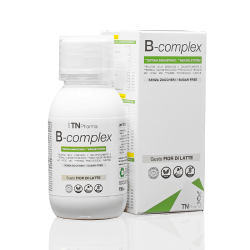
B-Complex by Tn Pharma
B-group vitamins play a role in energy metabolism and the normal functioning of the nervous system. A formulation such as Tn Pharma’s B-Complex is designed to provide a balanced blend of B vitamins in a single solution, which is useful when one’s diet is not always ideal or during periods of increased mental exertion. During the developmental years, these vitamins help to:
- supporting normal psychological function
- reducing fatigue and exhaustion when diet alone is not sufficient
- support energy metabolism, which is important for very active children.
A specialised product such as Tn Pharma’s B-Complex offers carefully formulated and standardised dosages, with a safety profile suitable for long-term use, provided it is taken in accordance with the paediatrician’s instructions and the label, without exceeding the recommended doses.
Vitamin C
Vitamin Cis best known for its role in the immune system, but it also helps protect cells against oxidative stress and reduce fatigue and exhaustion. For children whose diet is low in fruit and vegetables, or during periods of increased need, moderate supplementation can help meet daily requirements.
Vitamin C also contributes to the normal formation of collagen, which is beneficial for bones, blood vessels and gums, and may indirectly support overall energy levels. In this case too, it is important not to overdo it: excessive doses do not improve concentration and may cause gastrointestinal problems.
It is best to opt for a supplement with a dosage appropriate for your age, as part of a diet that still includes fruit and vegetables every day.
Omega-3
Omega-3s, particularly DHA and EPA, are essential fatty acids that the body cannot produce in sufficient quantities on its own and which must be obtained from the diet, mainly through oily fish. DHA is a structural component of the brain and retina and helps maintain normal brain function. In children, omega-3s often attract interest due to their potential role in supporting attention, behaviour and learning. In cases of low fish consumption or selective eating habits, the paediatrician may consider the use of an omega-3 supplement specifically formulated for children, with:
- calibrated dosages
- high purity and low heavy metal content
- a taste and format designed to make it easy to take.
Here too, medical supervision is essential, particularly if the child is taking medication or has blood clotting problems.
Ansio-fort
When a young person’s or teenager’s difficulty concentrating is closely linked to anxiety, school-related stress or low mood, adaptogenic support can prove very helpful. Ansio-fort by TN Pharmais an innovative supplement designed to promote a positive mood, relaxation and mental wellbeing. Its vegan, gluten-free and lactose-free formula incorporates high-quality patented ingredients that are particularly beneficial for cognitive function:
- Bacognize®: a patented extract of Bacopa monnieri, recognised for supporting memory, attention, learning and the management of cognitive stress;
- Bluenesse® (Lemon Balm): helps balance neurotransmitters to support cognitive performance, improving alertness, concentration and working memory without causing drowsiness;
- Sensoril® (Ashwagandha) and Serenzo™: powerful active ingredients to reduce overall stress, improve sleep quality and combat mental fatigue;
- Affron® (Saffron): to improve mood and reduce occasional anxiety.
Please note: Although this is a high-quality natural product, its use in children or young adolescents must always be approved in advance by a paediatrician or doctor so that the dosage can be adjusted.
Vitamin D
Vitamin Dis essential for the normal absorption of calcium and phosphorus and for maintaining healthy bones and teeth. In recent years, there has been increasing research into its role in the immune system and, indirectly, in general well-being. In France, it is not uncommon for children and adolescents to have vitamin D levels below the optimal range, particularly if they spend little time outdoors or live in regions with limited sunshine. For children, any vitamin D supplementation:
- ideally be based on a blood test to measure vitamin D levels;
- must follow the doses and duration prescribed by the paediatrician;
- must be carefully managed to avoid both persistent deficiencies and excesses.
It is not strictly speaking a ‘vitamin for concentration’, but a fundamental component of general health, which can indirectly contribute to better physical balance – important for coping with academic and sporting commitments.
Frequently asked questions
Which vitamins help with memory and concentration in children?
B vitamins (particularly B1, B2, B3, B6, B12 and folic acid) contribute to the normal functioning of the nervous system and help reduce tiredness. Vitamin C helps protect cells from oxidative stress and reduce fatigue, whilst vitamin D supports general well-being.
Rather than relying on a single ‘miracle’ vitamin, what matters is ensuring an adequate overall intake, achieved primarily through a varied diet and, if necessary, through a targeted supplement agreed with a paediatrician. Omega-3s and certain plant extracts can play a supportive role, but they are never a substitute for a healthy diet and educational strategies to improve study habits and time management.
Do supplements for children’s memory and concentration have any side effects?
Supplements formulated for children and taken at the recommended doses are generally well tolerated, but are not without the possibility of side effects. An excess of water-soluble vitamins can cause gastrointestinal disturbances; excessively high doses of certain fat-soluble vitamins can accumulate in the body; and certain plant extracts may cause allergic reactions or interfere with medication. This is why it is important to:
- choose products specifically designed for children
- never exceed the recommended doses
- inform the paediatrician of all the supplements the child is taking.
If any unusual symptoms occur after taking the supplement (such as a rash, stomach ache, headache or marked changes in behaviour), you should stop giving the product and consult a doctor.
From what age can children be given supplements for memory and concentration?
There is no standard age that applies to everyone, as this depends on the type of supplement, the dosage and the individual needs of each child. Some paediatric multivitamin products are designed for children from 3–4 years of age, whilst others are intended for school-age children or teenagers. In all cases:
- before the age of 12, any supplementation must be agreed with the paediatrician
- for older children, particularly if they are taking medication or have specific medical conditions, medical advice is essential in any case.
It is important not to view supplements as ‘enhanced sweets’: these are products that affect a growing body and must be managed with the same care as any other decision concerning children’s health.
Can a supplement for children’s memory and concentration help with learning difficulties?
A supplement can support certain basic aspects, such as ensuring an adequate intake of micronutrients involved in cognitive function, maintaining general energy levels, and reducing fatigue and irritability linked to nutritional deficiencies.
However, learning difficulties (such as dyslexia, dyscalculia, attention deficit disorder, etc.) are complex conditions that require a specialist assessment (paediatric neuropsychiatry, psychology, speech and language therapy) and targeted interventions focusing on study methods, compensatory strategies and, where necessary, academic support.
A supplement alone does not cure or resolve a learning difficulty, but it can be used as part of the child’s care programme where the doctor deems it appropriate, in order to ensure the child enjoys the best possible physical and mental wellbeing.