- Health and wellness
- 690 views
Differences between natural nootropics and synthetic medicines
The term ‘nootropics’ refers to natural or synthetic substances used to support cognitive functionssuch as attention, alertness, memory and resistance to mental fatigue. In everyday language, however, ‘smart drugs’ is a broader and often more ‘sensational’ term, used to describe both supplements for concentration and genuine prescription medicines that act on the central nervous system. The key point, however, is this: not all substances that enhance the feeling of concentration have the same level of evidence, the same safety profile or the same legal status.
Natural nootropics are generally plant extracts, nutrients or compounds already present in food or in the body, such as caffeine, L-theanine, Bacopa monnieri or creatine. Synthetic drugs, on the other hand, are molecules developed to treat specific clinical conditions and have a more pronounced pharmacological profile, with more significant effects, contraindications and interactions. In practice, natural nootropic supplements generally aim to provide more gradual and ‘mild’ support, whilst nootropic medicines or prescription ‘smart drugs’ act more powerfully but require medical supervision and are not designed for self-management of ‘healthy enhancement’, that is to say, the ‘enhancement’ of healthy individuals.
Natural nootropic supplements
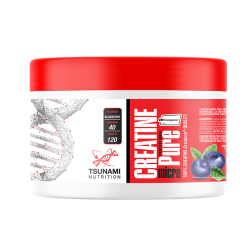
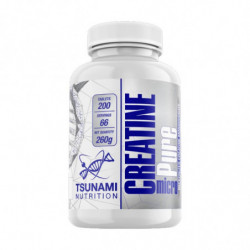
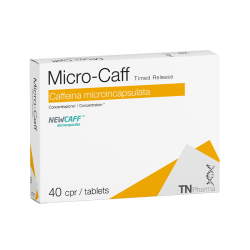
When discussing natural nootropic supplements, the most commonly cited ingredients are caffeine, L-theanine, Bacopa monnieri, creatine, citicoline and, in some formulations, rhodiola or ginseng. Caffeine is probably the best-known legal nootropic and the one with the most immediate effect: the EFSA recognises that, at moderate doses, it increases alertness and reduces drowsiness. The combination of caffeine and L-theanine is among the most extensively studied for tasks requiring sustained attention, whilst Bacopa has shown promising results, particularly regarding recall memory. Finally, creatine appears to play a more selective role, particularly in situations of metabolic stress, sleepdeprivation or in older age, whilst results in healthy young people are more variable.
Nootropic medicines on the market
Medicines often associated with the concept of ‘smart drugs’ are not ‘pills to make you smarter’, but medicines with specific therapeutic indications. In Italy and across Europe, modafinil is indicated in adults for excessive daytime sleepiness associated with narcolepsy, and treatment must be initiated and monitored by a doctor. Methylphenidate, meanwhile, is mainly used in the treatment of ADHD and requires specialist supervision. This means that nootropic medicines are available on the market, but they are not products designed to improve grades, increase IQ or ‘boost brain power’ in healthy people: they are prescription medicines, intended for specific medical conditions and not for unrestricted or recreational use.
Examples of the most powerful and effective nootropics
If by ‘powerful’ we mean noticeable and fast-acting, caffeine remains the most concrete benchmark amongst legal nootropics for everyday use, particularly for alertness and attention. Looking instead at the world of medicines, modafinil and methylphenidate have more pronounced effects on alertness and concentration, but their use is medical and cannot be equated with that of supplements.
Among nutraceutical supplements and natural substances, the combination of caffeine and L-theanine is one of the most promising for cognitively demanding tasks, whilst Bacopa monnieri has evidence more focused on memory and requires continuous, rather than acute, use. In other words, ‘more potent’ does not automatically mean ‘better’: it often simply means ‘more pharmacologically active and riskier’.
Substances for concentration and memory
Concentration and memory are not the same thing, which is why not all nootropics work in the same way. For concentration and alertness, the most credible substances remain caffeine and caffeine + L-theanine, particularly when tackling monotonous, lengthy or mentally demanding tasks.
For memory, the literature on Bacopa suggests a possible benefit, particularly for free recall, whilst creatine may help with certain cognitive functions under conditions of stress, fatigue or sleep deprivation. This is important: those looking for ‘the best nootropic for memory’ and those looking for ‘a supplement for concentration’ are often seeking two different things, and confusing the two objectives can easily lead to choosing the wrong product.
Illegal nootropics and regulatory restrictions
Part of the nootropic market operates in a grey area comprising foreign websites, ‘research chemicals’ and products sold online as supplements but which are not actually supplements. In a 2019 warning letter, the FDA clarified that substances such as adrafinil, aniracetam, noopept, oxiracetam, phenibut, phenylpiracetam, piracetam and pramiracetam do not fall within the definition of dietary supplements or conventional foods. Furthermore, in the context of sport, many ‘smart drugs’ or related substances appear on the WADA (World Anti-Doping Agency) lists of prohibited substances: the 2025 list confirms that stimulants and many related compounds are banned in competition, and modafinil is a well-known example of a substance prohibited under anti-doping regulations. In summary: ‘it can be found online’ does not mean ‘it is legal’, and ‘sold as a nootropic’ does not mean ‘it can be used freely’.
Side effects and health risks
The risks vary greatly depending on the compound. With the most common natural nootropics,the effects are often described asrelatively manageable, such as nervousness, insomnia, tachycardia or gastrointestinal disturbances, particularly with high doses of caffeine. With synthetic drugs, the picture becomes more serious: the AIFA has published safety information on modafinil highlighting restrictions on use and potentially serious adverse effects, including severe skin rashes and psychiatric symptoms; as for methylphenidate, the EMA explicitly highlights the potential for abuse, misuse and psychological dependence. It is precisely here that the discourse on nootropics takes a different turn: what is presented online as a ‘cognitive boost’ may come at a significant biological cost.
Are nootropics bad for the body?
The correct answer is: it depends on the substance, the dose, the duration, the combinations and individual circumstances. A well-chosen and correctly dosed natural nootropic is not automatically dangerous; at the same time, ‘natural’ does not mean harmless. The literature on natural substances for cognitive enhancement is promising but often still mixed, with the quality of evidence not always high.
The risk increases when stimulants are stacked, when pre-existing medical conditions are ignored, when medication is taken at the same time, or when people try to use pills to compensate for issues that are actually caused by poor sleep, chronic stress or an unbalanced diet. In other words: the problem is not the term ‘nootropic’, but its superficial and out-of-context use.
The dangers of unregulated cognitive enhancement
The real risk of DIY ‘cognitive enhancement’ is twofold. On the one hand, you may end up using substances that are stronger than necessary, perhaps purchased through unregulated channels; on the other hand, there is a risk of masking genuine problems such as sleep deprivation, burnout, anxiety or an attention disorder that should be clinically assessed.
The online market for ‘smart drugs’ has already prompted official warnings from the FDA regarding unsubstantiated claims and the sale of substances not recognised as dietary supplements. Furthermore, using stimulants to study or work harder can lead to a vicious cycle: poorer sleep, more caffeine, a greater need for a ‘boost’, and a more severe crash when the effect wears off. This is a classic example of how seeking to boost performance without proper control can actually undermine the quality of that performance.
Frequently Asked Questions
What is the best-known smart drug?
If we’re talking about ‘smart drugs’ in the strict sense, the best-known name is probably modafinil, as it has become famous even outside the medical field as a drug to help you stay awake and focused. If, on the other hand, we broaden the discussion to include legal nootropics for everyday use, the most widespread and studied substance remains, by far, caffeine. The difference, however, is fundamental: modafinil is a prescription medicine for narcolepsy, whilst caffeine is a dietary compound with recognised stimulant effects at moderate doses.
Why are some nootropics banned?
Some nootropics are banned because they are not authorised as supplements or medicines for this purpose; others because they are prescription-only substances; and still others because they appear on anti-doping lists. Restrictions may depend on three factors: insufficient safety, unauthorised sale as a ‘supplement’ and a potential performance-enhancing effect in sport. This is the case for many compounds sold online as ‘research chemicals’ and, in the field of competitive sport, for various stimulants included on the WADA (World Anti-Doping Agency) lists.
Is there a medicine to increase IQ?
No: there is currently no approved medicine to increase IQ in healthy individuals. Certain medicines may improve alertness, attention or the symptoms of specific neurological or psychiatric conditions, but this is not the same as ‘increasing IQ’. The idea of a pill that automatically makes you smarter belongs more to the realm of science fiction or marketing than to evidence-based medicine.
Are ‘smart drugs’ addictive?
Some do. Methylphenidate, for example, has a recognised potential for abuse, misuse and psychological dependence, particularly if used off-label or without medical supervision. Caffeine does not behave like more potent conventional drugs, but it can still lead to tolerance and withdrawal symptoms, including headaches, fatigue and difficulty concentrating, in regular users who stop taking it abruptly. Natural nootropics such as Bacopa or L-theanine, on the other hand, are not generally considered to be addictive substances in the traditional sense of the term.