- Health and wellness
- 2536 views

The different forms of collagen and which one to choose
In recent years, collagen has become one of the most sought-after supplements amongst those wishing to look after their skin, joints and connective tissues. But with marine collagen, hydrolysed collagen, powdered collagen and capsules to choose from, not to mention dosages and timing, the question remains the same: how do you actually take it properly?
In this practical guide, we’ll look at the different forms, quantities, times of day to take it, and common myths, to help you build a sensible, sustainable supplementation routine that’s in line with your goals.
When we talk about collagen supplements, we’re never referring to just one product. There are different forms and sources, each with specific characteristics in terms of absorption, intended use and taste.
The main types are:
- bovine collagen, often rich in types I and II, used for the skin and joints
- marine collagen, derived mainly from fish, with a higher concentration of type I (skin, hair, nails)
- avian collagen, derived from chicken cartilage, which is more closely associated with type II for the joints
The choice depends on the objective:
- if the focus is on the skin, elasticity and the signs of ageing, type I collagen is preferred, often in the form of marine or purified bovine collagen
- if the focus is on joints, cartilage and joint comfort, formulations that also contain type II collagen – sometimes combined with other specific ingredients – are more appropriate
Rather than focusing solely on the source, it is essential to consider:
- the degree of hydrolysis, i.e. the extent to which the protein has been ‘broken down’ into smaller, more digestible peptides
- the collagen dosage per serving
- the presence of beneficial co-factors, such as vitamin C, zincand copper, which support the body’s natural collagen synthesis
The difference between hydrolysed and marine collagen
‘Hydrolysed’ and ‘marine’ refer to two different aspects.
Hydrolysed collagen means that the protein has been pre-digested into smaller peptides, which are easier to absorb and utilise. Today, the hydrolysed form is virtually the standard in high-quality supplements.
‘Marine’ collagen refers to the source of the raw material, namely fish. Marine collagen may also be hydrolysed and, in most cases, it is.
For the person taking it, this means:
- hydrolysed collagen – whether bovine, marine or from another source – is generally more bioavailable and easier to digest
- marine collagen is often preferred for aesthetic benefits, such as skin and hair, and by those who avoid bovine collagen, but is unsuitable for those with a fish allergy
The key factor is the combination of the quality of the raw material, the degree of hydrolysis and the overall formulation, rather than simply a term on the label.
Is collagen better in powder, liquid or capsule form?
This comes down to practicality, personal taste and habits.
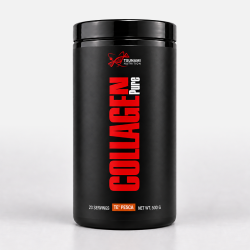
Collagen powder:
- makes it easy to achieve higher doses for the same cost
- can be mixed into water, juices, milk or plant-based drinks, yoghurts and smoothies
- is ideal for those who don’t mind the taste or texture
Liquid collagen:
- often available in pre-measured vials or shots
- convenient for those who want a ready-to-use solution, without the need for a shaker
- may also contain other synergistic active ingredients, such as vitamins and hyaluronic acid
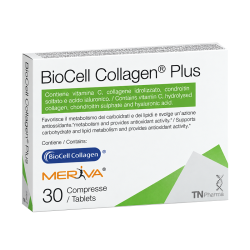
Collagen in capsules or tablets:
- is the most convenient form for those who are often out and about
- useful for those who cannot tolerate the taste and texture of powders and liquids
- to achieve high doses, you may need to take several capsules a day
There is no single ‘best’ format. The best format is the one you can take consistently at the correct dosage, effortlessly and without discomfort.
A practical guide to taking collagen
Once you’ve chosen your collagen, it’s important to incorporate it sensibly into your daily routine.
The basic rules are:
- follow the recommended doses on the label
- be consistent every day
- incorporate it as part of a balanced diet and an active lifestyle
You can then fine-tune the timing, combinations and duration of your collagen regimen to suit your own needs.
When should you take collagen: in the morning or in the evening?
There is no one-size-fits-all ‘magic’ time.
Many people prefer:
- in the morning, as it’s easier to establish a consistent routine, for example in coffee, yoghurt or a breakfast shake
- in the evening, combining the supplement with a time to relax and with the night-time regeneration of the skin and tissues
What really matters is:
- choosing a time of day that you can stick to almost every day
- avoiding changing your schedule at random
Unless there are specific instructions from the manufacturer or a healthcare professional, the best time is the one that ensures consistency.
On an empty stomach or after a meal: before or after meals?
When it comes to collagen, there’s no strict rule that applies to everyone. Generally speaking, you can take it either on an empty stomach or after a meal: the real deciding factor is consistency, not the exact time of day.
Many health professionals recommend:
- taking it away from high-protein meals, for example in the morning with a light breakfast or in the evening, to aid the absorption of the peptides
- taking it during or just after a light meal if you have a sensitive stomach or tend to suffer from digestive problems on an empty stomach
If the supplement contains other ‘energising’ active ingredients, it makes more sense to take it in the first part of the day; if it is designed for skincare and recovery, taking it in the evening may be a good habit. In any case, always follow the instructions on the label and choose a time that you can stick to every day.
What is the recommended daily dose of collagen?
The most commonly used doses for collagen supplements generally fall within these ranges:
- approximately 2.5 to 5 grams per day for formulas more focused on aesthetic benefits
- up to 10 grams or more per day in products also designed to support joints and connective tissues, always following the instructions on the label
The dose depends on:
- the main objective, whether aesthetic or joint-related
- the type of collagen used
- other protein intakes from the diet
Do not exceed the recommended daily dose and consult a doctor or nutritionist if you have any medical conditions, are taking medication, or are using high doses over long periods.
How to take collagen powder
If you choose collagen powder, here are a few tips to make it more convenient.
Useful tips:
- dissolve the recommended dose in a liquid at room temperature or chilled, stirring well
- use it in water, plant-based drinks, fruit juices, yoghurts or smoothies
- avoid boiling liquids so as not to damage the proteins unnecessarily
- if the taste is strong, combine it with strongly flavoured drinks or dishes such as smoothies, bowls or protein pancakes
The aim is to make taking it enjoyable so you don’t skip days because of the taste.
What not to take with collagen
Collagen is generally well tolerated and there are no combinations that must be strictly avoided, but a few precautions may be useful.
- Avoid taking it with meals that are extremely high in protein if you want to assess its effect more accurately, as in this case it is simply one additional source of protein amongst many others.
- If you are taking medication for kidney or liver conditions, or for protein metabolism disorders, it is advisable to consult your doctor.
- If the product contains other active ingredients, such as caffeine or plant extracts, you should check for compatibility with other supplements you are taking at the same time.
Rather than a list of forbidden foods, the rule is not to combine too many similar products without a clear strategy.
Effectiveness and results: what to expect
How long does it take for collagen to take effect?
The timeframe varies greatly, but as a general guide:
- on the skin, the first effects may be noticeable after 4 to 8 weeks of consistent use
- for more structural results regarding skin firmness, elasticity and joints, it is realistic to expect a course of 3 to 6 months
This is not a product that works instantly. It’s a gradual process that builds up over time. To assess its effectiveness, it’s helpful to avoid changing too many factors at once and, if necessary, to keep a record of your progress.
At what age is it advisable to start taking it?
The body’s production of collagen begins to decline around the age of 25–30 and continues to decrease in the years that follow.
That is why:
- many people start to consider taking it from the age of 30, particularly as a preventative measure
- in cases of intense exercise, physically demanding work or a family history of joint problems, supplementation may be considered even earlier, under the guidance of a professional
There is no standard age. What matters is your lifestyle, level of physical stress and personal goals.
There is a great deal of conflicting information circulating about collagen. It is worth clearing up some of these doubts.
Safety and misconceptions about collagen
There is a great deal of conflicting information circulating about collagen. It is worth clearing up some of these misconceptions.
Does collagen make you put on weight?
Collagen does not in itself cause weight gain. It is a protein and, as such, provides calories, but at the doses typically used in supplements, the calorie intake is minimal. Any weight gain depends on:
- your overall calorie balance
- the presence of sugars, fats or other calorie-containing nutrients in flavoured formulas
If the supplement is part of a balanced diet, it will not cause you to accumulate body fat.
Does taking collagen harm the liver?
In healthy people who take the correct doses and do not have any liver conditions, collagen supplementation is not considered harmful to the liver.
Greater caution is required when:
- there are pre-existing, diagnosed liver problems
- you are taking several supplements at the same time
- very high doses are taken over long periods without medical supervision
In these cases, you should always discuss this with your doctor and avoid devising complex regimens on your own.
Frequently Asked Questions
Why is it recommended to take collagen in the evening?
Some people take it in the evening because:
- the body is most active in repairing and regenerating itself at night
- incorporating it into your evening routine makes it easy to remember
In reality, the decisive factor isn’t the time of day, but:
- daily consistency
- sticking to the recommended dose
If it’s more convenient for you to take it in the morning, that’s just as good.
Can you get collagen naturally from your diet?
Your diet can help both by providing collagen and by supporting its production.
Useful foods include:
- bone broths and cuts rich in connective tissue
- fish with the skin on
- eggs and meats rich in essential amino acids
- fruit and vegetables rich in vitamin C, which is essential for collagen formation
However, through diet alone, it is difficult to achieve the same concentration of collagen peptides typically found in supplements, especially on a daily basis.
Are there any general contraindications to taking collagen?
For most healthy people, collagen is well tolerated. Any side effects, where they occur, are generally:
- digestive problems
- a feeling of heaviness if the dose is too high
It is important to:
- take care if you have any allergies, for example to fish, as marine collagen contains fish
- consult your doctor if you have kidney, liver or metabolic conditions
- assess possible interactions with medicines and other supplements
Natural does not automatically mean suitable for everyone.
How long should you take collagen for?
Collagen works on slow, structural processes, so you need to think in terms of months, not days.
It is often taken in:
- courses ofat least 2 to 3 months
- longer periods, up to 6 months, with occasional breaks
Many people choose to:
- take it continuously during periods when they want to focus on their skin and joints
- concentrate their intake at specific times of the year, for example after the summer or during periods of intense training
The ideal duration depends on the objective, the body’s response and the advice of a doctor or nutritionist. In all cases, it requires consistency and should always be integrated into an overall healthy lifestyle.