- Health and wellness
- 2001 views
The effects of caffeine on the foetus
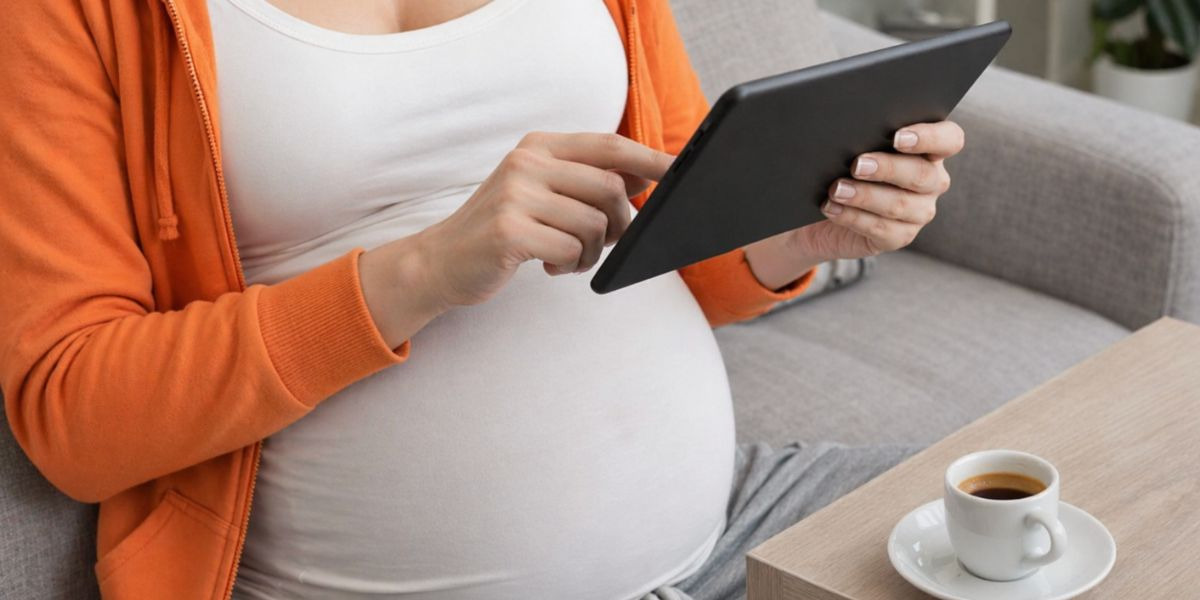
Caffeineshould be consumed in moderation during pregnancy; it does not necessarily need to be avoided entirely, but should be limited and incorporated into a controlled diet. As well as coffee, caffeine is also found in tea, cocoa and various energy drinks.
It is important to moderateyour intake of this substance as part of your overall diet to avoid adverse effects on the foetus.
The main risksassociated with consuming more than the recommended daily intake may include: tachycardia, excessive anxiety, insomnia and, in some cases, tremors caused by nervousness.
Caffeine is absorbedat different ratesin different people and is broken down by the body depending on the activities undertaken.
During pregnancy, excessive caffeine consumptioncan cause a miscarriage, lead to a lower birth weight in the newborn, or, conversely, result in obesity in the unborn child. This occurs because caffeine easily crosses the placenta, but the enzymes within the foetus are not yet able to metabolise it quickly, causing harm to the foetus.
The recommended daily intake
The recommended daily intakeof caffeine during pregnancy is between 100 and 200 mg per day, equivalent to a maximum of 2 to 3 cups of espresso. According to guidelines fromthe EFSA (European Food Safety Authority).
Here is an informative table showing the recommended caffeine levels for various foods and drinks:
| Food / Drink | Caffeine content (mg) | Unit of measurement |
|---|---|---|
| Espresso | 64–100 | Cup (30ml) |
| Instant coffee | 157 | Cup (30ml) |
| Decaffeinated coffee | < 5 | Cup (30ml) |
| Tea | 30–50 | Mug (250ml) |
| Cola | 30–50 | Can (330ml) |
| Dark chocolate | 26 | Bar (30g) |
Calculating caffeine in drinks
It is important to bear in mind that caffeineis not only found in coffee, but is also present in many foods and drinks, including coffee, tea, fizzy drinks and energy drinks. When consumed in the right amounts – a maximum of 200 mg according to the Ministry of Health (EFSA) – it poses no risk to general well-being.
It is important to pay attention to your overall diet, not just your drinks , to avoid exceeding the recommended caffeine limits, which can cause side effects – some of them serious – for both the mother and the unborn child.
Consumption during the first and third trimesters
During pregnancy, caffeine consumption can affect the mother’s metabolic wellbeing and, consequently, the development of the foetus.
It is recommended that during:
- First trimester: during which the mother’s metabolism is at a very delicate stage, to consume no more than 200 mg of caffeine per day, equivalent to a maximum of 2 to 3 cups of espresso;
- Second trimester: the risks are lower, but exceeding the recommended dose could cause uncomfortable heartburn and increased gastrointestinal sensitivity in general, as well as potentially serious risks to foetal development.
What should you do if you consume too much caffeine?
Consuming excessive amounts of caffeine during pregnancy is not recommended due to the various side effects the substance can have on the mother’s metabolism and also on the unborn baby. Serious problems could arise, such as the risk of miscarriage or reduced blood flow to the placenta, which could hinder the foetus’s healthy growth, or an increased heart rate, which could lead to disrupted sleep patterns and tachycardia in the mother, as well as increased nervousness and heartburn.
Caffeine is a substance capable of crossing the placenta, which is why it is important not to exceed the maximum daily intake and to be mindful of how your body processes it.
If there isan excess of caffeine in the system, the following measures can be taken:
- drinking more water: to help flush it out
- reducing intake over the following days
- monitoring for any symptoms: restlessness or insomnia.
If the symptoms do not subside and you experience side effects, it is advisable to consult your GP.
Decaffeinated coffee during pregnancy
Decaffeinated coffee during pregnancy is a valid alternative to regular coffee. Furthermore, as it contains a negligible amount of caffeine, it may cross the placenta more easily and not be fully metabolised by the foetus.
It is worth noting that caffeine is not only found in coffee, but also in tea, various energy drinks and other foods such as cocoa.
The best alternatives to coffee during pregnancy
Coffee during pregnancy, even in limited amounts, interferes with the absorption of folic acid (vitamin B9), which is essential for the health of the foetus during pregnancy.
Even outside of pregnancy, a folic acid deficiency can cause listlessness, fatigue and reduced production of red blood cells. Folic acid can be taken during pregnancy or if anaemia is diagnosed due to a deficiency of this vitamin.
The best alternatives to coffee during pregnancy include: barley coffee, decaffeinated coffee and various herbal infusions, such as natural herbal teas that are caffeine-free or contain only small amounts of caffeine.
Frequently Asked Questions
What effect does coffee have during pregnancy?
Coffee is not prohibited during pregnancy, but its consumption should be carefully limited as caffeine crosses the placenta and is metabolised much more slowly by the developing foetus than by the mother.
Main effects of caffeine during pregnancy:
- The foetus does not yet have the enzymes to completely eliminate the substance
- Increased heart rate (in both the mother and the baby)
- Increased risk of low birth weight
- Increased risk of spontaneous miscarriage.
What sort of coffee should you drink if you have gestational diabetes?
With gestational diabetes, the issue is not so much the type of coffee itself, but how you drink it and how much you consume.
- A maximum of 200 mg of caffeine per day, approximately 2 to 3 cups
- It does not appear to increase the risk of gestational diabetes if consumed in moderation.
What should you absolutely avoid during pregnancy?
Foods strongly advised against during pregnancy, as they may pose a risk to the foetus and cause serious problems for the unborn child, include: uncooked cured meats, raw eggs and fish, soft cheeses, and other foods that have not been properly washed before consumption.
Is caffeine also found in tea and chocolate?
Yes, caffeine is found in tea and chocolate, and although they contain lower levels of caffeine, they still have stimulating effects on the central nervous system.
If you wish to consume other drinks containing stimulants, it is always essential to monitor the amounts consumed.
Caffeine intake during pregnancy should be limited so as not to interfere with foetal development or the metabolic systems of the mother and her unborn child; Tsunami Nutritionsupplements offer the convenience of having the correct amount pre-measured, so you can keep your daily intake under control and stay on track with your goals.