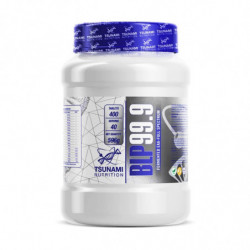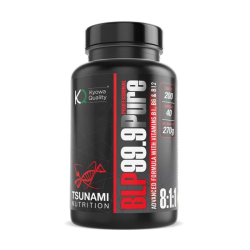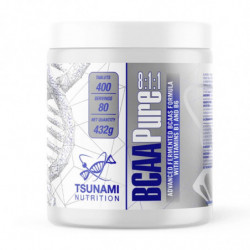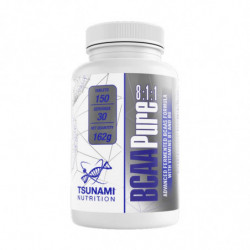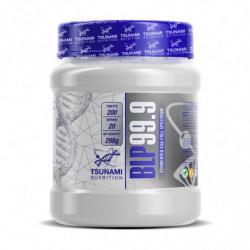
BLP 99.9 pure fermented 200 tbl
Pool of essential performance-enhancing amino acids obtained by plant fermentation. VEGAN, lactose-free and GLUTEN-FREE.
€45.80
€22.90
Protein is the best nutrient for all athletes and fitness enthusiasts who want to build muscle or are looking for support to maintain the results they’ve achieved through sweat and hard work.
Most people prefer to get their protein by enjoying a creamy shake made with water and protein powder; however, it’s not always easy to use this type of supplement, as it can be inconvenient to bring to the office or carry around during the daily activities we all have to manage throughout the day.
Pool of essential performance-enhancing amino acids obtained by plant fermentation. VEGAN, lactose-free and GLUTEN-FREE.
Essential amino acids in tablets obtained from plant fermentation to enhance performance VEGAN, lactose-free and GLUTEN-FREE.
AMTΩ® patented essential amino acid supplement to promote post-workout muscle recovery. VEGAN, GLUTEN-FREE and lactose-free.
Pool of essential amino acids in 8:1:1 ratio of certified Kyowa Quality® quality. VEGAN, GLUTEN-FREE and lactose-free.
AMTΩ® patented essential amino acid supplement to promote post-workout muscle recovery. VEGAN, GLUTEN-FREE and lactose-free.
Dietary supplement of fermented branched-chain amino acids with 8:1:1 ratio for muscle recovery. VEGAN OK, GLUTEN-FREE and lactose-free.
Dietary supplement of fermented branched-chain amino acids with 8:1:1 ratio for muscle recovery. VEGAN OK, GLUTEN-FREE and lactose-free.
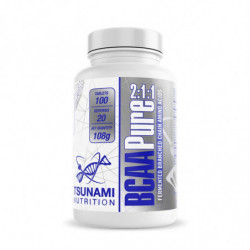
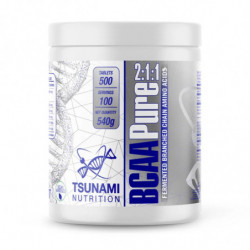
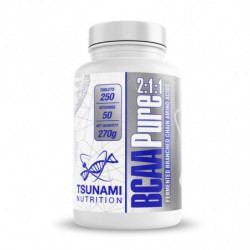
Dietary supplement of fermented BCAA branched-chain amino acids with a 2:1:1 ratio. VEGAN OK, GLUTEN-FREE AND LACTOSE-FREE.
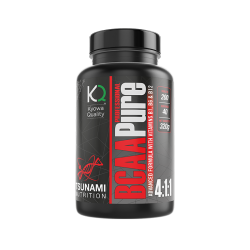
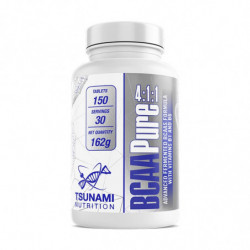
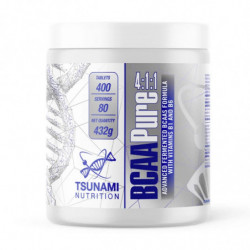
Kyowa® patented branched-chain amino acid supplement in a 4:1:1 ratio for post-workout recovery. VEGAN, GLUTEN-FREE and lactose-free.
Dietary supplement of fermented BCAA branched-chain amino acids with a 2:1:1 ratio. VEGAN, GLUTEN-FREE and lactose-free.
Dietary supplement of fermented BCAA branched-chain amino acids with a 2:1:1 ratio. VEGAN, GLUTEN-FREE and lactose-free.
Dietary supplement of fermented branched amino acids with 4:1:1 ratio for muscle recovery. VEGAN OK, GLUTEN FREE AND LACTOSE FREE.
Dietary supplement of fermented branched amino acids with 4:1:1 ratio for muscle recovery. VEGAN OK, GLUTEN FREE AND LACTOSE FREE.
Kyowa Quality® patented branched amino acid supplement 8:1:1 ratio for post-workout recovery. VEGAN, GLUTEN-FREE and lactose-free.
If you are wondering whether protein tablets exist, the answer is yes. These are supplements that provide proteins, peptides or amino acids derived from protein sources in a solid, pre-portioned format, to be taken according to the directions provided on the packaging.
The difference compared with protein powder mainly concerns the format and the amount that can be provided in a single serving. A serving of powder generally allows you to take a substantial amount of protein in a shake, whereas with tablets or caplets, it may be necessary to take several units to reach the amount provided by the product.
Like other protein supplements, they can be used to supplement the protein intake from the diet. Protein contributes to the growth and maintenance of muscle mass, an aspect that is particularly important for people who engage in regular physical activity.
The main advantage of tablets is practicality. They do not require water, a shaker or preparation, and the amount to be taken can be easily managed by following the serving indicated by the manufacturer.
Tablets can be suitable for those looking for a simple supplement to take to the gym, work or while travelling. They take up little space and eliminate the need to prepare a shake.
The main advantages of this format are:
However, they are not necessarily the most convenient choice when a high amount of protein needs to be consumed. In this case, protein powder and liquid protein often make it easier to reach the desired amount.
The choice depends on how they are used. Powder formulations are particularly versatile and allow you to choose between whey protein, protein isolates, plant proteins and many other sources.
Tablets, on the other hand, focus on convenience. They can be a good alternative when you do not want to prepare a shake or are looking for a format that is easy to carry.
In fact, there is no need to necessarily choose one format and exclude the other. They can be used at different times of your routine, while keeping track of your overall daily protein intake.
The number of tablets to take depends on the product composition and the amount of nutrients contained in each unit. There is therefore no standard number that applies to everyone: the serving indicated on the label should always be followed.
Overall protein requirements should then be considered. For people who exercise regularly, a general reference can be around 1.4–2 g of protein per kg of body weight per day, taking into account both dietary intake and any supplementation.
If the main goal is to support a programme aimed at increasing muscle mass, the key factors are total protein intake, training, energy intake and recovery. The format comes second.
There is no mandatory time. They can be included throughout the day according to the product directions and based on how your diet is organised.
Again, there is no need to focus all attention on the post-workout period. For people who train, what matters most is meeting their daily requirements and appropriately distributing protein intake across the different meals.
To choose the best protein tablets, it is not enough to look at how many tablets the package contains. It is advisable to check first of all the source used, actual amount per serving, number of tablets required and overall composition.
The suitability of the product for the intended goal should then be considered. If you simply need a compact and easy-to-use format, tablets may make sense. If, on the other hand, you need to consume significant amounts of protein every day, a powder formulation may be more practical.
In the Tsunami Nutrition range, you can compare different protein supplementation solutions and choose the format that best suits your routine, from training sessions to days spent away from home.
Protein tablets exist and represent an alternative to classic powder or liquid supplements. Depending on the product, they may provide proteins, peptides or amino acids derived from protein sources in a compact, pre-portioned format.
Protein tablets are used to supplement the diet with protein-derived nutrients in a practical format. They can be particularly useful for people who train and are looking for a simple solution to take with them.
Protein tablets and powder meet different needs. Tablets are more compact and require no preparation; powders generally allow you to consume larger amounts of protein in a single serving. The choice therefore depends on requirements and convenience.
Protein contributes to the growth of muscle mass, but the tablet format does not in itself offer any particular advantage. Increasing muscle mass mainly requires appropriate training, sufficient energy intake, adequate protein intake and recovery.
Protein tablets can be included in your daily routine while following the product directions and taking into account what is already consumed through the diet. Supplementation makes sense when it helps meet an actual nutritional requirement.