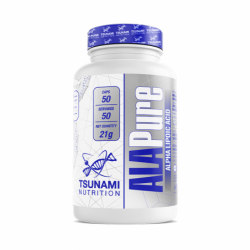
ALA Pure 50 caps
Alpha Lipoic Acid supplement to manage blood sugar in your diet. VEGAN, GLUTEN-FREE and LACTOSE-FREE.
€25.80
€12.90
Alpha-Lipoic Acid (ALA), also known as lipoic acid or thioctic acid, is a substance naturally present in the body and involved in cellular energy metabolism. It is synthesized in the mitochondria, where it acts as a cofactor for enzymes involved in the processes that lead to energy production.
ALA is also known for its antioxidant properties and its ability to interact with other antioxidant systems in the body. It can contribute to the regeneration of molecules such as vitamin C, vitamin E, and glutathione. It is also naturally present in small amounts in certain foods of both animal and plant origin.
Alpha Lipoic Acid supplement to manage blood sugar in your diet. VEGAN, GLUTEN-FREE and LACTOSE-FREE.
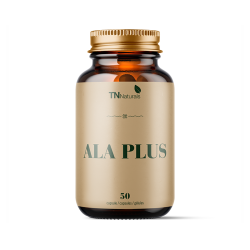
High-dose ALFA LIPOIC ACID. Formula with COENZYME Q10, VITAMIN E, CHROMIUM. Dietary supplement in vegetable capsules, VEGAN product, GLUTEN-FREE and lactose-free.
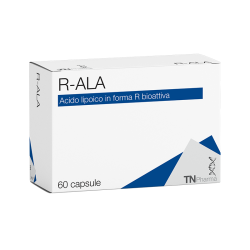
R Alpha Lipoic Acid with antioxidant properties, promotes energy and glucose metabolism. Vegan. Gluten Free. Lactose-free.
Alpha Lipoic Acid is studied primarily for its role in cellular metabolism and for its antioxidant activity.
Its nutritional interest derives mainly from its ability to participate in defense systems against oxidative stress and to interact with other antioxidants present in the body. For this reason it is often included in formulations intended for metabolic well-being and cellular protection.
ALA also participates in the processes through which cells convert nutrients into energy, acting as a cofactor for important mitochondrial enzymes.
Research has also investigated the possible relationship between Alpha Lipoic Acid, glucose metabolism and the peripheral nervous system. In particular it has been studied in clinical settings for diabetic neuropathy, but the available results are not consistent and do not allow it to be considered a treatment for diabetes or its complications. Some reviews indicate a possible benefit for neuropathic pain, while others have not found significant improvements in various metabolic parameters.
ALA supplementation should therefore be considered nutritional support and not an alternative to medications, a balanced diet or prescribed therapies.
The amount of Alpha Lipoic Acid to take depends on the concentration of the product and the directions provided on the label. In supplements amounts in the range of a few hundred milligrams per day are frequently used, while clinical studies have employed different dosages and durations depending on the population analyzed.
ALA is often recommended away from meals because the presence of food can reduce its absorption. One frequently used approach consists of taking it about 30 minutes before a meal or a few hours after eating. If taking it on an empty stomach causes nausea or gastric discomfort, however it may be preferable to follow the product directions and prioritize tolerability.
There is no universally better time of day: morning or evening can both be valid options. More important is consistently following the directions for use provided on the supplement.
In the presence of diabetes, therapies for blood glucose control, thyroid problems or other drug therapies it is advisable to consult your doctor before using Alpha Lipoic Acid supplements.
Alpha Lipoic Acid is mainly involved in cellular energy metabolism and the body's antioxidant systems. In the mitochondria it functions as a cofactor for enzymes necessary for converting nutrients into energy and, in amounts greater than those needed for basic metabolic functions, it is also studied for its antioxidant properties.
Alpha Lipoic Acid should not be considered a fat burner or a weight loss product. Some research has evaluated possible effects on metabolism and body weight, but any changes observed are generally modest and do not justify the promise of significant weight loss. Diet, physical activity and overall energy balance remain decisive for losing weight.
It is often taken away from meals to promote its absorption, for example about 30 minutes before eating. However there is no solid evidence making it mandatory to take it in the morning rather than in the evening. If it causes gastrointestinal discomfort on an empty stomach, individual tolerability and the directions provided on the label should take priority.
ALA is generally well tolerated at commonly used amounts, but it can cause nausea, heartburn, headache or other gastrointestinal disturbances in some individuals. Particular caution is required in those taking medications for blood glucose control or thyroid therapies, because interactions may occur. In the presence of medical conditions, pregnancy, breastfeeding or drug therapies it is therefore advisable to consult your doctor.
There is no universal duration that applies to everyone. Studies on ALA have used very different treatment periods, from a few weeks to several months, depending on the objective and the population examined. For a normal supplement it is advisable to follow the directions for use indicated by the manufacturer; if prolonged use is planned or clinical conditions are present, it is preferable to consult a healthcare professional.