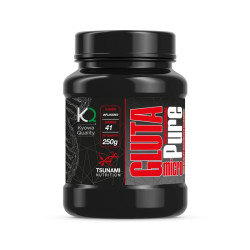
What is glutamine?
Glutamine is an amino acid that the body is normally able to produce on its own. It is abundant in skeletal muscle and is used by various tissues, including the intestine.
During periods of significant physical or metabolic stress, requirements may increase. This is where interest in glutamine supplements comes from, as they are mainly available in powder or capsule form and are easy to incorporate into a daily routine.
What is glutamine used for?
Glutamine is involved in several processes:
- amino acid and nitrogen metabolism;
- intestinal cell function, as intestinal cells use it as an energy source;
- the function of certain immune system cells;
- nitrogen transport between different tissues in the body.
Glutamine and muscle recovery
Glutamine is often used after training, particularly during periods when training frequency and volume increase. Muscle naturally contains high amounts of glutamine, but this does not mean that adding more automatically results in faster recovery.
For effective recovery, nutrition, sleep and an adequate intake of protein remain essential. If these aspects are already well managed, glutamine can be considered as an additional supplement.
Those who already use protein powder, BCAAs or essential amino acids should also consider the amount provided by these products before adding other amino acids.
Glutamine and the gut
The link between glutamine and supplements for gut health comes from the fact that intestinal cells use this amino acid as an energy source and that glutamine contributes to maintaining the intestinal barrier.
Research has investigated its use in different gastrointestinal conditions, but the results of supplementation are not the same in every context. In healthy people, it should therefore not be presented as a universal remedy for bloating, intestinal permeability or digestive problems.
If persistent intestinal problems are present, it is preferable to clarify their cause before increasing dosages or starting protocols independently.
Glutamine: where is it found?
To understand where glutamine is found, it is enough to look at protein-rich foods. It is present in both animal and plant sources.
- meat and fish;
- eggs;
- milk and dairy products;
- soy and legumes;
- nuts;
- some vegetables.
A diet providing a good amount of protein already supplies significant amounts of glutamine. Whey protein and other protein sources also naturally contain glutamine or glutamic acid.
When should you take glutamine?
There is no single mandatory time. In sports supplementation, it is often used after training, between meals or in the evening, depending on individual habits and the product chosen.
Unlike ingredients such as caffeine or citrulline, it is not taken to seek a noticeable effect during a single training session. The timing can therefore be chosen with some flexibility.
How much glutamine should you take?
Sports supplements often provide servings of around 5 g, but the amount and frequency vary depending on the formulation. The dosage stated on the packaging remains the reference to follow.
How to choose a glutamine supplement?
Those looking for glutamine as a supplement and wondering what it is used for should first understand what type of product they are buying. A simple formula makes it possible to know precisely how much glutamine is being consumed, while more complex products may combine it with other amino acids or ingredients intended for post-workout use.
Before purchasing, it is worth checking the amount per serving, the form used, the number of servings and added ingredients. If the goal is to supplement glutamine exclusively, a simple formulation is easier to manage.
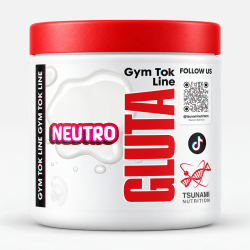
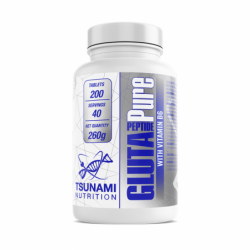
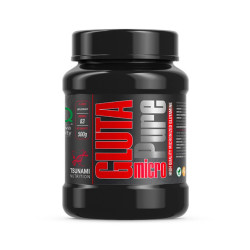
In the selection of Tsunami Nutrition glutamine supplements, different products and formats can be compared according to your training routine.
Glutamine: contraindications and side effects
When looking for information about glutamine and contraindications, particular attention should be paid to medical conditions, medications and high doses. At the amounts normally used by healthy adults, it is generally well tolerated, although gastrointestinal problems may occur.
In the presence of kidney or liver disease, pregnancy, breastfeeding or drug treatments, it is advisable to consult a doctor before starting supplementation.
Frequently asked questions about glutamine
Is a glutamine supplement dangerous?
The idea that glutamine is a dangerous supplement often comes from concerns about the safety of daily use. For a healthy adult, at the doses indicated by the product, glutamine is generally well tolerated. The situation is different in the presence of medical conditions or when high amounts are used without supervision.
Does glutamine help build muscle mass?
Glutamine is not a supplement specifically intended to increase muscle mass. For hypertrophy, training, energy availability, recovery and adequate protein intake have a much greater impact. Those aiming to build muscle can learn more about protein for muscle mass gain.
Should glutamine be taken before or after training?
Glutamine can be taken both before and after training, but it is frequently used post-workout or at other times of the day. It does not need to be taken within a few minutes after the session.
Can glutamine and BCAAs be taken together?
Glutamine and BCAAs can be taken together, but they are different amino acids and do not have the same role. Before combining them, it is worth checking whether the overall intake of protein and amino acids from the diet is already sufficient.
Glutamine and cancer: is there a connection?
The topic of glutamine and cancer is complex because this amino acid is used by both healthy cells and many tumour cells. Oncology research therefore studies glutamine metabolism from different perspectives, including its nutritional use in some patients undergoing treatment. In the presence of an oncology diagnosis, glutamine supplementation should not be started or stopped without discussing it with the oncologist or healthcare team responsible for the treatment.
Can glutamine be taken every day?
Glutamine can be used regularly according to the product instructions. However, there is no general need to take it every day as a rule: the choice depends on diet, training and the reason for using it.
Is glutamine or essential amino acids better?
Glutamine and EAA are not equivalent products. Essential amino acids provide the nine amino acids that the body must obtain from food and are directly involved in the synthesis of new proteins. Glutamine, on the other hand, is an amino acid that the body is normally able to produce and is used for different purposes.