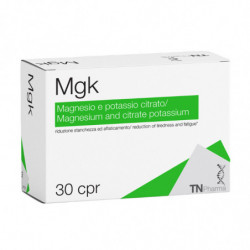
Mgk magnesium and potassium citrate 30 tbl
A dietary supplement of magnesium and potassium citrate to say goodbye to tiredness and fatigue! Vegan. Gluten-free. Lactose-free.
€12.90
€10.97
Potassium is an essential mineral involved in various physiological processes in the body; it contributes to the normal functioning of the nervous system and muscles, as well as to the maintenance of normal blood pressure. It also plays a role in maintaining the body’s normal fluid and electrolyte balance.
Potassium is primarily obtained through the diet and is naturally present in various foods, including fruits and vegetables, legumes, potatoes, grains, and nuts.
A dietary supplement of magnesium and potassium citrate to say goodbye to tiredness and fatigue! Vegan. Gluten-free. Lactose-free.
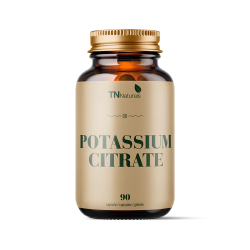
The best Potassium Citrate supplement to support your physical activity, high bioavailability! VEGAN. GLUTEN-FREE. LACTOSE-FREE.
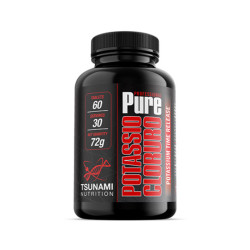
Slow-release potassium chloride with high bioavailability rate for muscle well-being. Vegan. Gluten-free. Lactose-free.
Potassium is an essential mineral that the body uses for various physiological functions, including maintaining fluid balance inside and outside cells, the transmission of nerve impulses and muscle contraction.
Potassium can be obtained through a normal diet or, when necessary, through specific potassium supplements.
Potassium contributes to the normal functioning of the nervous system and muscle function, as well as to the maintenance of normal blood pressure.
A sufficient intake of potassium is therefore important for the normal functioning of the body.
Potassium is naturally present in many foods. The main dietary sources include fruit and vegetables, tubers and starchy root vegetables, whole grains, dairy products and coffee.
Potassium citrate and potassium chloride are two different potassium salts. The difference concerns the substance to which potassium is associated within the compound for a given amount of salt.
The amount of potassium needed may vary depending on age and individual circumstances. For adults, EFSA indicates an adequate intake of 3,500 mg per day, taking into account the total potassium intake from the diet.
This value does not represent a standard dose to be taken through a food supplement. Potassium is mainly obtained through food, and the amount provided by a potential supplement should be assessed by also considering the overall dietary intake.
There is no specific time of day that is considered best for taking a potassium supplement. It is advisable to follow the directions for use provided by the manufacturer and adhere to the daily dose stated on the label.
The time of intake can be incorporated into your daily routine according to the product directions, without considering a specific time of day as universally valid.
No, potassium supplements are not all the same and may differ in the chemical form used, the amount of potassium per serving, the format and the presence of other ingredients.
Different formulations may contain, for example, potassium citrate and potassium chloride, which are different potassium salts. Even products using the same form may provide different amounts of the mineral per serving or have different intake instructions.
To choose a potassium supplement, it is useful to first assess the form of the mineral and the amount actually provided by the daily dose. It is important to check any added ingredients, the number of servings per package, the format and the intake instructions provided on the label.
Some formulations contain potassium alone, while others combine this mineral with other nutrients, such as magnesium.