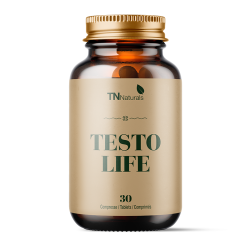
Testo Life 30 tablets
Natural supplement to boost testosterone, libido, and sexual well-being. Vegan. Gluten-free. Lactose-free.
€49.80
€14.90
Natural anabolics are a category of supplements designed to support training, strength, and muscle growth through ingredients of natural origin or substances commonly used in sports nutrition.
The name can be misleading: we’re not talking about anabolic steroids, but rather formulas that may contain plant extracts, amino acids, and other active ingredients.
Natural supplement to boost testosterone, libido, and sexual well-being. Vegan. Gluten-free. Lactose-free.
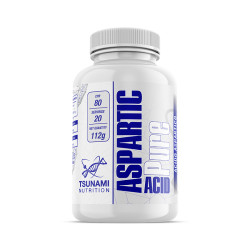
Aspartic acid supplement to increase testosterone levels, strength, and muscle mass. Vegan. Gluten-free. Lactose-free.
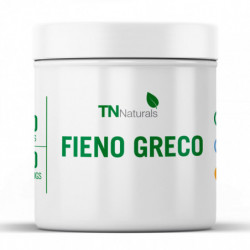
Fenugreek-based supplement, promotes metabolism and digestive functions.
Against physical and mental fatigue, improves energy and Testosterone production.
Do natural anabolic supplements really work? This is one of the most common questions asked by people who are considering these products, and it often comes from unrealistic expectations. No supplement builds muscle in place of training, and results largely depend on the ingredients contained in the formula. Some products are designed to complement the intake of useful substances during periods of intense training, while others focus on plant extracts or ingredients included in formulas dedicated to performance.
For those working towards muscle growth, the foundation remains a training programme consistent with the goal, together with an appropriate diet. Products for increasing muscle mass, protein and creatine can therefore also have a place in the same supplementation routine.
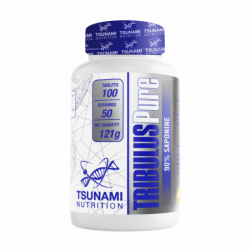
Formulas vary considerably from one product to another, and this is an important point because there can be significant variability in terms of ingredients. More specifically, these products may contain amino acids, minerals and plant extracts such as tribulus terrestris or fenugreek.
Before choosing, it is therefore advisable to read the composition and assess the quantities and dosages rather than relying on the product name alone. For specific ingredients, dedicated sections are also available for tribulus terrestris supplements and fenugreek supplements.
When it comes to natural anabolic supplements for women, they should be chosen according to the same criteria: start with the composition and the intended goal, rather than simply relying on the “men” or “women” label. For strength and muscle growth, training, diet and protein intake are the main factors; supplements come afterwards. If a product contains ingredients that act on hormonal processes or if particular conditions are present, it is advisable to discuss its use with a professional.
The approach to choosing a natural anabolic supplement is similar to that for other supplements: it is best to start with the label. The ingredients, quantities per serving and directions for use provide much more useful information than the product name.
Of course, the goal also makes a difference: a formula intended to support a bulking phase meets different needs from a product designed for the workout. On Tsunami Nutrition, you can compare the available natural anabolic supplements or explore the testosterone and hormonal support category for specific formulations.
No. Natural anabolic supplements sold as food supplements are not anabolic steroids. They are products with different compositions, which may include plant extracts, amino acids, minerals and other ingredients used in sports supplementation.
Muscle growth primarily depends on training, diet, protein intake and recovery. A supplement may support this process depending on the ingredients it contains, but it does not replace these factors.
It depends on the composition of the product. Creatine can be included in the same supplementation routine, but it is always useful to check the label to avoid unnecessarily combining ingredients that are already present in multiple formulas.
There is no single timing that applies to everyone. Some products are intended for daily use, while others provide specific instructions related to meals or training. The reference point should therefore be the directions for use provided on the packaging.
The first comparison should focus on the ingredients and their respective dosages. Within the same category, two products can have very different formulas. The goal, type of training and other supplements already being used can also help narrow down the choice.