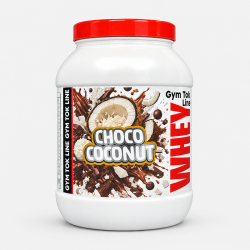
Whey Gym Tok Line - Limited Edition 750 g
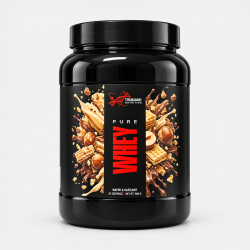
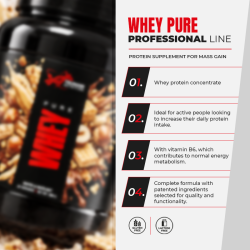
Whey protein concentrate with DigeZyme® complex and LactoSpore® for all gym tokers. GLUTEN-FREE.
€69.80
€34.90
We pay special attention to food intolerances. There must also be valid alternatives for enjoying delicious meals in the world of dietary supplements for those who cannot consume gluten.
Traditional protein powders, such as milk protein or whey protein, may in fact be off-limits to those struggling with gluten allergies or intolerances. Although the world of dietary supplements is rich in traditional products, there is a growing market demand for gluten-free products.
Whey protein concentrate with DigeZyme® complex and LactoSpore® for all gym tokers. GLUTEN-FREE.
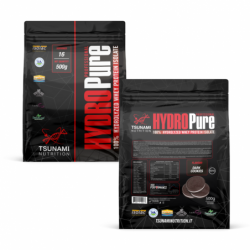
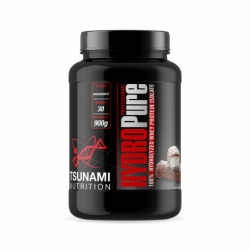
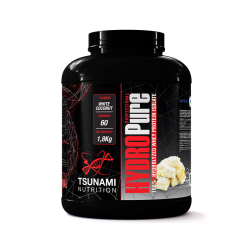
Carbery®-certified single-serving format whey hydrolyzed protein for muscle growth. GLUTEN-FREE and lactose-free GLUTEN FREE (with the exception of Kitcrunch, Choco Milk Crunchy, Dark Cookies and White Chocolate & Dark Cookies flavors because they contain delicious crumbled cookie pieces).
Carbery®-certified single-serving format whey hydrolyzed protein for muscle growth. GLUTEN-FREE and lactose-free GLUTEN FREE (with the exception of Kitcrunch, Choco Milk Crunchy, Dark Cookies and White Chocolate & Dark Cookies flavors because they contain delicious crumbled cookie pieces).
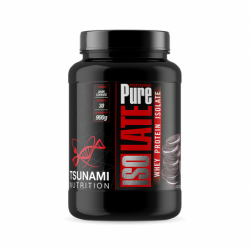
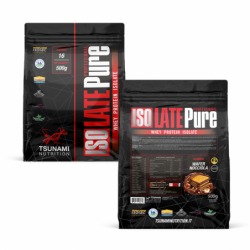
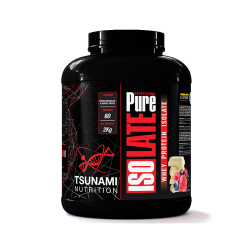
Highly digestible Carbery® certified quality Isolac CFM® whey protein isolate. GLUTEN-FREE and lactose-free.
Highly digestible Carbery® certified quality Isolac CFM® whey protein isolate. GLUTEN-FREE and lactose-free.
Carbery®-certified single-serving format whey hydrolyzed protein for muscle growth. GLUTEN-FREE and lactose-free GLUTEN FREE (with the exception of Kitcrunch, Choco Milk Crunchy, Dark Cookies and White Chocolate & Dark Cookies flavors because they contain delicious crumbled cookie pieces).
LACTOMIN® whey protein concentrate. GLUTEN-FREE, LACTOSE-FREE.
LACTOMIN® whey protein concentrate, in pouch. GLUTEN-FREE, LACTOSE-FREE.
Highly digestible Carbery® certified quality Isolac CFM® whey protein isolate. GLUTEN-FREE and lactose-free.
LACTOMIN® whey protein concentrate. GLUTEN-FREE, LACTOSE-FREE.
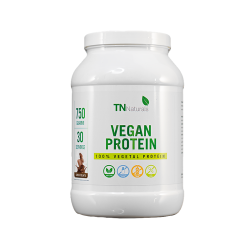
Rice and yellow pea protein powder supplement. Protein sources of 100% plant origin. 20 GRAMS OF PROTEIN per serving. Vegan protein promotes growth and maintenance of muscle mass. Available in Chocolate and Coffee flavors. VEGAN, GLUTEN-FREE, LACTOSE-FREE, SOY-FREE.
Gluten-free proteins are protein supplements formulated without gluten and also designed for people who need to exclude it from their diet. They can belong to very different categories: whey protein, protein isolates, egg protein or plant-based sources, depending on the formulation chosen.
From a sports perspective, their function does not change. Protein contributes to the growth and maintenance of muscle mass, and a supplement can help make it easier to meet daily protein requirements when diet alone is not sufficient.
The term “gluten-free” therefore refers to a specific characteristic of the product and does not automatically make one protein better than another. The choice should take into account dietary needs, the quality of the protein source, nutritional values and the intended goal.
Gluten-free proteins are particularly interesting for people who need to follow a gluten-free diet while also wanting to supplement their protein intake.
They can be used by people who practice bodybuilding, fitness, CrossFit, endurance sports and other activities, as well as by those simply looking for a convenient way to increase their protein intake through their diet.
Before purchasing, it is therefore always useful to carefully check the label, ingredients and specific information provided for each product.
The choice depends first and foremost on the preferred protein source and individual needs. Available options include:
There is therefore no single type that is better for everyone. Whey protein may be perfectly suited to everyday use, an isolate may be preferred when looking for a more streamlined nutritional profile, while a plant protein may make more sense for those who want to completely avoid animal sources.
The first thing to check is simple: the product must actually be labelled gluten-free. This is particularly important for people with coeliac disease, because the protein source alone is not enough to determine whether the entire formulation is suitable.
Once this requirement has been verified, nutritional quality can be considered. The amount of protein per serving, the source used, the amino acid profile, sugar and fat content, and the ingredient list allow different products to be compared more carefully.
In the Tsunami Nutrition selection, you can find gluten-free proteins designed for different needs and goals, allowing you to choose the most suitable formula without compromising the quality of your sports nutrition.
The fact that a product is gluten-free does not change how protein requirements should be calculated. The amount needed depends on body weight, physical activity, goals and the protein already obtained through the diet.
For people who exercise regularly, a general reference for total protein intake may be around 1.4–2 g of protein per kg of body weight per day. This figure includes all dietary sources, not just supplements.
A single serving may provide approximately 20–30 g of protein, always checking the serving size and nutritional values of the chosen product. A shake is mainly used to cover the amount needed to reach individual requirements.
Gluten-free proteins can be used at breakfast, as a snack, or before or after training. There is no mandatory time: what matters most is reaching the planned amount of protein throughout the day and distributing it evenly across meals.
Preparation depends on the product. Protein powder can be mixed with water or another beverage compatible with your diet, or used to prepare smoothies, porridge, pancakes and other recipes.
If you follow a strictly gluten-free diet, you should also pay attention to the other ingredients used in the preparation. Starting with a gluten-free protein and then combining it with unsuitable ingredients would undermine that choice.
Whey is derived from milk and not from gluten-containing grains, but this does not automatically mean that every whey supplement can be considered gluten-free. Other ingredients in the formulation and possible cross-contamination must also be taken into account. In case of coeliac disease, it is therefore necessary to choose products specifically labelled as gluten-free.
People with coeliac disease can choose proteins labelled as gluten-free, always checking the information provided on the packaging. The source can be animal- or plant-based: what matters is that the finished product meets the requirements for the “gluten-free” claim.
Gluten-free proteins are not automatically better from a nutritional perspective. The gluten-free characteristic is essential for people who need to avoid gluten, but quality and suitability for sports nutrition depend on the protein source, composition and nutritional values of the product.
Plant proteins are not automatically gluten-free. Pea, soy and rice are naturally gluten-free sources, but the safety of the finished product also depends on the other ingredients and the manufacturing process. For people with coeliac disease, it is therefore essential to check the specific indication on the packaging.