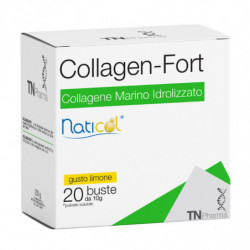
What is collagen and what is it used for?
Collagen is one of the main structural proteins in the body and is an important component of various connective tissues, including the skin, bones, cartilage, tendons and ligaments.
Supplements differ in their formulation, the ingredients they contain and the type of collagen used, which should be evaluated according to the goals to be achieved.
What are the main types of collagen?
There are different types of collagen: Type I, II and III. Type I, often combined with Type III, is found in the skin, bones and tendons, while Type II collagen is mainly found in cartilage.
Hydrolyzed collagen: what is it and what are its characteristics?
Hydrolyzed collagen, also known as collagen peptides, is obtained through hydrolysis. This process promotes solubility, making the formulation particularly suitable for food supplements.
Hydrolyzed collagen: what is it and what are its characteristics?
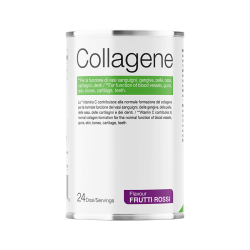
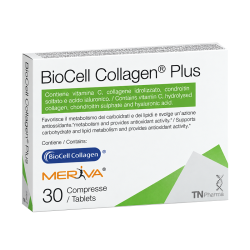
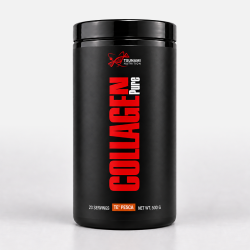
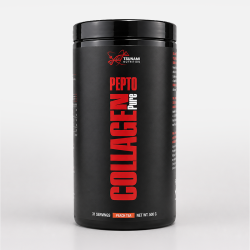
Collagen supplements are available in different formats, including powder, tablets and sachets. Powder can be easily measured and added to beverages according to the dosage indicated on the product; tablets and sachets are more practical solutions for taking the product in a pre-measured dose.
One of the characteristics of hydrolysed collagen is the presence of collagen peptides, which consist of shorter amino acid sequences than the original protein. The quantity and characteristics of these peptides may vary depending on the raw material and the hydrolysis process used.
In food supplements, hydrolysed collagen can be found in different formulations, including powders, tablets, capsules and sachets.
Frequently Asked Questions about Collagen Supplements
How much collagen should you take per day?
There is no single amount of collagen that is suitable for everyone; supplementation depends on the formulation chosen, the type of collagen and the concentration of raw material in the product. For this reason, it is important to follow the daily dose indicated on the label.
Studies on oral supplementation have used different amounts of collagen, also depending on the formulation and the objective considered. Some reviews, for example, report doses ranging from 2.5 to 10 g per day for different hydrolysed collagen formulations, while other protocols have used different amounts.
How do you choose a quality collagen supplement?
When choosing a quality collagen supplement, it is important to assess the formulation that is most suitable and consistent with the goals you want to achieve.
Factors to consider include the type of collagen used, the source of the raw material, the amount of collagen per serving and the form of collagen, such as hydrolysed collagen or collagen peptides. The presence of specific or patented raw materials and any additional ingredients may also help distinguish between different formulations.
When should you take collagen?
There is no universally valid time of day to take collagen. The most important aspect is to follow the directions for use provided on the product packaging.
Depending on the formulation, collagen can be included in your daily routine at different times. Regular intake and adherence to the recommended dose allow you to follow the directions provided for the product correctly.
Are all collagen supplements the same?
No, collagen supplements are not all the same and may differ in terms of the type of collagen, the source of the raw material and the amount of raw material in each formulation.
When comparing two supplements, it is useful not to focus only on the word “collagen”, but to check the source, type, amount per serving and overall composition of the product. The different formulations used in scientific studies may in fact have different characteristics and dosages.