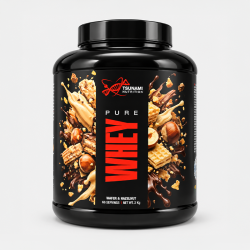
What are lactose-free proteins?
Lactose-free proteins are protein supplements formulated for people who want to increase their protein intake while avoiding this sugar naturally found in milk. They can come from different sources and are also a solution for people who exercise and follow a lactose-free diet.
The function remains the same as that of any other protein source: contributing to the growth and maintenance of muscle mass and helping to meet daily protein requirements. What changes is the composition of the product, which should always be checked on the label.
Lactose-free proteins: which ones are available?
When looking for lactose-free proteins, knowing which alternatives are available makes it possible to choose suitable protein sources while avoiding lactose, depending on the characteristics of each product. In particular:
- Plant proteins: soy, pea, rice and other plant sources naturally contain no lactose and represent an alternative to milk-derived proteins.
- Egg proteins: these are another naturally lactose-free source and can be used either as powder or through egg-white-based products.
- Meat proteins: these are not derived from milk and can provide another alternative for people who prefer an animal protein source.
- Whey specifically labelled lactose-free: some whey-based formulations are processed to obtain a lactose-free product. In this case, it is essential to always check the information on the label.
It is therefore not enough to read “whey”, “plant-based” or “isolate” to determine whether a product is suitable. When lactose needs to be excluded, the specific indication on the packaging should be checked.
Protein isolates and lactose: what should you know?
Whey isolates undergo more extensive filtration than whey concentrates and generally contain very low amounts of carbohydrates, fat and lactose. However, this does not mean that every protein isolate is automatically lactose-free.
If you are looking for lactose-free protein isolates, you should therefore choose products that explicitly state this characteristic.
How do you choose the best lactose-free proteins?
To identify the best lactose-free proteins, it is useful to start with your individual needs. Those who prefer whey can choose formulations specifically labelled lactose-free, while those who want to completely avoid dairy products can consider plant, egg or other alternative protein sources.
Once the type has been chosen, the same factors as with any good protein supplement should be checked: protein content per serving, amino acid profile, ingredients, sugars, fats, taste and solubility.
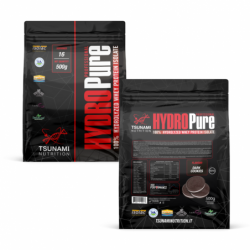
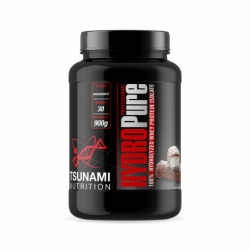
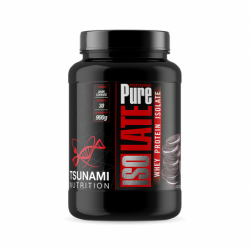
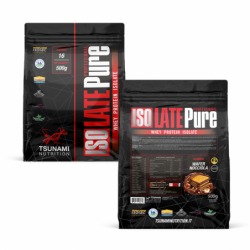
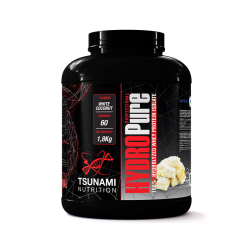
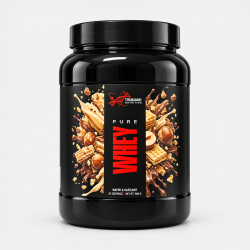
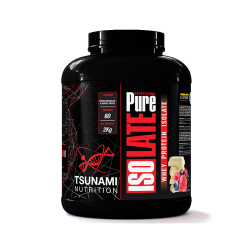
In the Tsunami Nutrition selection, you can find different lactose-free solutions designed for sports nutrition, allowing you to choose the protein source that best suits your needs without giving up taste, convenience or formulation quality.
How much lactose-free protein should you take per day?
The absence of lactose does not change protein requirements. The amount to take depends on body weight, physical activity, goals and, above all, the protein already obtained through regular meals.
For people who exercise regularly, a general reference for total protein intake may be around 1.4–2 g per kg of body weight per day. This calculation includes all dietary sources, not just supplements.
A single serving may provide approximately 20–30 g of protein, always checking the nutritional values and instructions for the chosen product. The shake is mainly used to cover the amount missing from your requirements, rather than adding protein without a specific purpose.
When and how should you take lactose-free proteins?
Lactose-free proteins can be used at breakfast, as a snack, or before or after training. There is no need to look for a perfect time: what matters most is reaching your daily protein requirements and distributing protein appropriately across meals.
Protein powder can be prepared with water or a lactose-free beverage. It can also be added to porridge, smoothies, pancakes and other recipes, making sure that the other ingredients used are also compatible with your dietary needs.
Frequently asked questions about lactose-free proteins
Which proteins do not contain lactose?
Proteins that do not contain lactose naturally include sources such as egg, meat, soy, pea and rice. There are also milk-derived products specifically formulated to be lactose-free. To be certain, especially in case of intolerance, always check the indication on the product label.
Can people with lactose intolerance take protein powder?
People with lactose intolerance can take protein powder by choosing formulations suited to their needs. They can use products labelled lactose-free or sources that naturally contain no lactose, such as plant or egg proteins. However, the degree of lactose tolerance can vary from person to person.
Which protein powders contain lactose?
Protein powders that may contain lactose are mainly those derived from milk. Whey concentrates may contain varying amounts, while the lactose content in whey isolates is generally much lower. However, you should not rely only on the category: to determine whether a product contains lactose, you need to check its label and composition.
Can people who are allergic to lactose eat milk proteins?
In reality, there is no such thing as a lactose allergy: lactose can cause an intolerance due to a reduced ability to digest it. An allergy, on the other hand, concerns milk proteins such as caseins and whey proteins. In the presence of a milk protein allergy, simply choosing a “lactose-free” product is therefore not sufficient, as it may still contain the proteins responsible for the reaction. In this case, the choice of foods and supplements should be assessed with a healthcare professional.