- Diet
- 12 views

- Protein bars 40:30:30: characteristics and composition
- The role of proteins, carbohydrates and fats
- How to choose a protein bar based on your needs
- When to consume a protein bar throughout the day
- How to include it in snacks and your sports routine
- Can protein bars replace a meal?
- Frequently asked questions
- What does 40:30:30 mean in a protein bar?
- Are 40:30:30 protein bars suitable for people who exercise?
- When is the best time to eat a protein bar?
- Can a protein bar replace lunch or dinner?
- How do you choose between a classic protein bar and a 40:30:30 bar?
Protein bars 40:30:30: characteristics and composition
The term 40:30:30 refers to a macronutrient ratio in which 40% of energy intake comes from carbohydrates, 30% from proteins and the remaining 30% from fats.
Bars with this ratio can be an option for those looking for a snack that provides several macronutrients in a ready-to-eat format. However, their actual usefulness depends on the nutritional values of the specific product and how it fits into the diet.
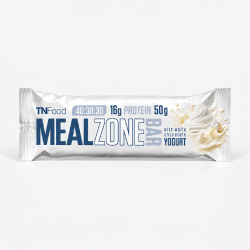
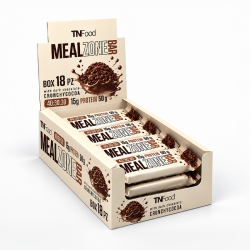
Tsunami Nutrition has developed Mealzone Meal Bar 40:30:30 by TN Food, a 50 g bar available in several flavours. Let's take a closer look at how to use it appropriately and what it contains.
The role of proteins, carbohydrates and fats
Proteins, carbohydrates and fats are essential macronutrients for the body and perform different functions. A bar combining them can contribute to daily energy intake, but its nutritional profile should be assessed in the context of the overall diet.
- Proteins: contribute to the growth and maintenance of muscle mass. Total protein intake should be considered alongside the amount obtained from other foods consumed throughout the day;
- Carbohydrates: are a source of energy for the body and can help support daily activities and sports;
- Fats: provide energy and perform several physiological functions, including helping the body absorb fat-soluble vitamins.
To assess whether a bar suits your needs, you should consider the actual amount of each macronutrient per serving, the calories it provides and the other ingredients it contains.
It is worth remembering that nutritional needs differ from person to person. People who exercise regularly may have different needs from those who lead a mostly sedentary lifestyle; similarly, nutrient intake should be adapted to personal goals and the rest of the diet.
How to choose a protein bar based on your needs
Choosing a protein bar should start with how you intend to use it. A snack eaten occasionally when away from home may serve a different purpose from a product regularly included in the meal planning of someone who trains.
It is advisable to check a few key elements:
- Nutritional values: check the calories, proteins, carbohydrates, sugars, fats and fibre per serving;
- Ingredients: read the full list to understand the bar's composition;
- Allergens and intolerances: check the label for any ingredients you may need to avoid;
- Format: consider the bar's weight and how convenient it is to eat based on your habits;
- Personal needs: consider the snack's nutritional contribution alongside the meals and snacks you eat throughout the day.
You should not choose a product simply because it is described as protein-rich or has a particular macronutrient ratio. Even a bar with an interesting nutritional profile should be assessed based on the amount consumed and how frequently it is included in the diet.
When to consume a protein bar throughout the day
A protein bar can be eaten at different times of the day, depending on your eating habits and individual needs. Its ready-to-eat format can be convenient when you are away from home, during a working day or while travelling between commitments.
The choice depends on the role the snack is intended to play in your diet: it can help you plan a snack, but it is not essential if you already meet your nutritional needs through your usual meals.
How to include it in snacks and your sports routine
Protein bars can be included as a mid-morning or afternoon snack when you want a practical option to take with you. It is important to consider their calorie and nutritional content so that they fit appropriately alongside the other foods you eat throughout the day.
People who exercise can also consider eating a bar in relation to their training schedule. In this case, the timing should take personal needs, food tolerance and the time remaining before the workout into account.
A bar can be a convenient option when you cannot prepare a snack using other foods. However, there is no need to eat one before or after every workout: the priority is to maintain an overall adequate diet, with energy and nutrient intake suited to the activity performed.
It is also useful to alternate packaged snacks with fresh foods and varied meals. Fruit, yoghurt, nuts and other foods can help add variety to the diet, depending on individual preferences and needs.
Can protein bars replace a meal?
A protein bar should not automatically be considered a complete substitute for lunch or dinner. Even when it contains proteins, carbohydrates and fats, it may not provide the same variety of foods and nutrients as a complete, balanced meal.
On occasional occasions when it is not possible to eat a usual meal, a bar can be a convenient snack. However, this does not mean it will always be sufficient to meet the nutritional needs of lunch or dinner.
If your goal is to plan complete meals or significantly change your diet, it is preferable to plan your food choices according to your needs, potentially with the support of a nutrition professional.
Frequently asked questions
What does 40:30:30 mean in a protein bar?
The term 40:30:30 refers to the distribution of energy intake: 40% comes from carbohydrates, 30% from proteins and 30% from fats. It does not necessarily represent the percentage by weight of each macronutrient in the bar.
Are 40:30:30 protein bars suitable for people who exercise?
Yes, they can be a convenient option for people who exercise and want an easy-to-carry snack. Their actual usefulness depends on the product's nutritional values, individual needs and overall diet. They are not essential for every athlete.
When is the best time to eat a protein bar?
It can be eaten as a mid-morning snack, in the afternoon or at other times when a convenient option is needed. There is no single time that works for everyone: the most suitable time depends on personal habits, meals and physical activity.
Can a protein bar replace lunch or dinner?
A bar can be a convenient snack, but it may not provide the variety and quantities of nutrients found in a complete meal. It is preferable not to use it regularly as a substitute for lunch or dinner without carefully assessing your nutritional needs.
How do you choose between a classic protein bar and a 40:30:30 bar?
The choice depends on nutritional values and personal needs. A 40:30:30 bar has a specific energy ratio between carbohydrates, proteins and fats, while a classic bar may have a different composition. It is advisable to compare calories, macronutrients, ingredients and serving size, choosing the product that best fits your diet.
Protein bars 40:30:30 offer a convenient format for a snack combining carbohydrates, proteins and fats. To choose the most suitable one, it is important to read the nutritional values and ingredients, assessing the product in relation to your habits and daily nutritional requirements. They can be useful at different times of the day, but they do not automatically replace a varied and balanced diet.