- Health and wellness
- 9 views
- What tryptophan is and what it is used for
- Benefits for sleep and mood
- Tryptophan side effects
- Gastrointestinal disturbances
- Daytime drowsiness and dizziness
- The risk of serotonin syndrome
- Contraindications and precautions for use
- Time to take effect and dosage
- How long does it take to work?
- The correct dosage for supplements
- Frequently asked questions
- Does tryptophan supplementation cause weight gain?
- Can tryptophan raise blood pressure?
- Which foods contain the most tryptophan?
- Can long-term tryptophan use cause dependence?
What tryptophan is and what it is used for
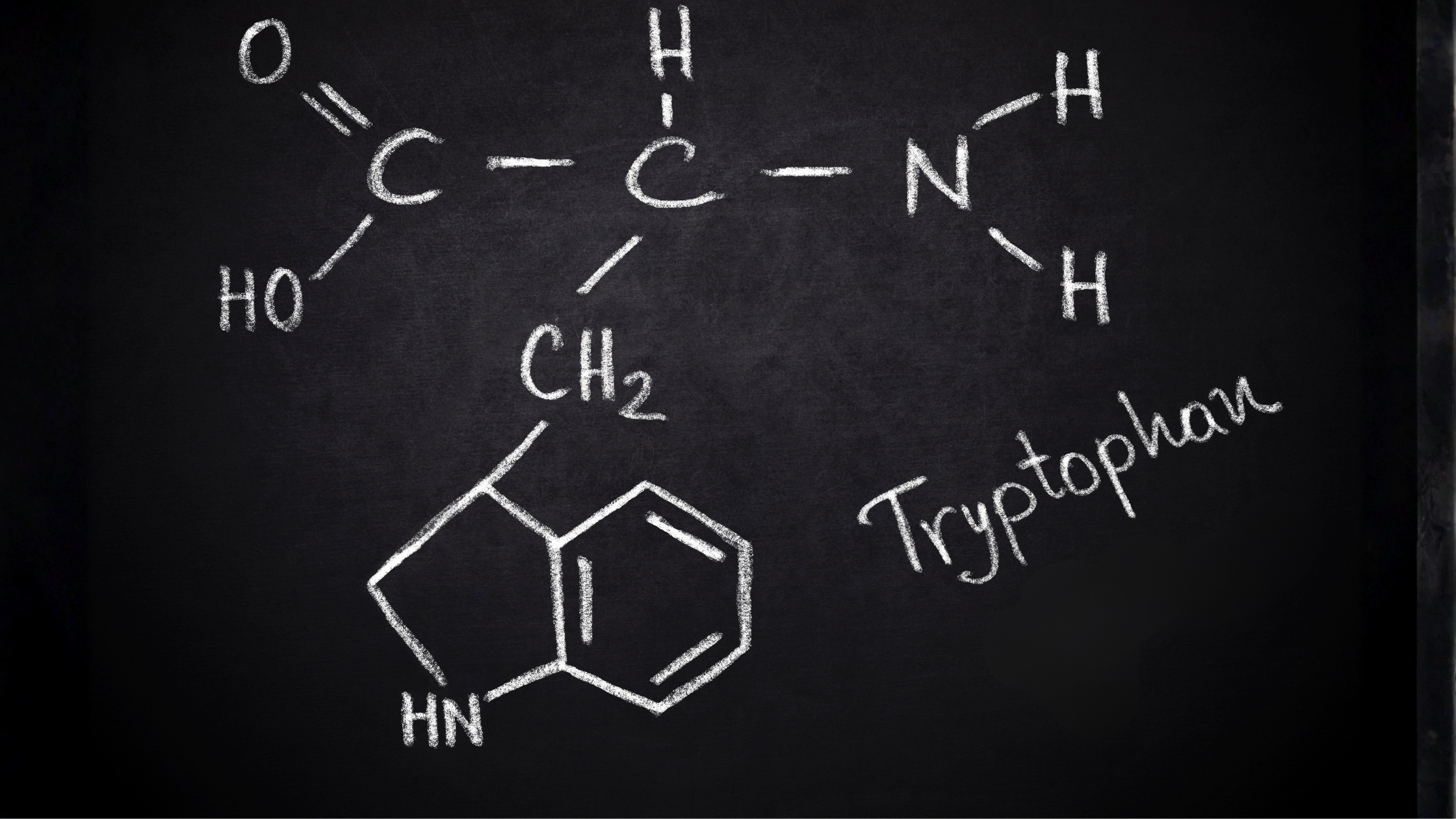
Tryptophan is one of the nine essential amino acids required by the human body. Amino acids are the building blocks of proteins and participate in numerous biological processes. Unlike non-essential amino acids, tryptophan cannot be synthesised by the body on its own in sufficient quantities and must be obtained through food.
From a biochemical perspective, tryptophan is involved in the synthesis of several substances, including serotonin and melatonin. The former participates in the regulation of numerous physiological functions, while the latter helps control the circadian rhythm and prepare the body for nighttime rest. Tryptophan is also used in other metabolic pathways, so its availability is not exclusively linked to processes associated with sleep and mood.
The term L-tryptophan refers to the form of the amino acid used by the body in biological processes and commonly found in supplements. Individual responses may vary, and the effectiveness of supplementation also depends on nutritional context and health status.
It is important to distinguish between tryptophan obtained from food and concentrated doses taken in supplement form. A varied diet can provide this amino acid alongside other essential nutrients, whereas a specific product requires more careful consideration of its composition, directions for use, and possible interactions.
Benefits for sleep and mood
Tryptophan is best known for its role in the production of serotonin and melatonin. Serotonin is a neurotransmitter involved in several processes, including mood regulation, while melatonin is a hormone that helps synchronise the sleep-wake cycle. Before tryptophan can be used in these metabolic pathways, it must undergo a series of biochemical processes regulated by various factors.
The relationship between tryptophan and its use as a sleep supplement is biologically plausible, but this does not mean that every supplement has a definite effect on falling asleep or sleep quality. Studies on tryptophan supplementation have produced variable results, partly depending on the amounts used and the characteristics of the participants.
The fact that tryptophan is a precursor of serotonin does not prove that taking additional amounts necessarily improves emotional well-being. Mood changes can depend on many factors. When they persist or interfere with daily life, it is important to consult a healthcare professional. A supplement does not replace assessment or any treatment recommended for mood or sleep disorders.
Tryptophan side effects
Tryptophan occurs naturally in food, but taking it in supplement form may have different effects from consuming it as part of a normal diet, particularly when concentrated amounts are used. Tolerability may vary depending on the dose, formulation, individual sensitivity, and concurrent use of medicines or other supplements.
Possible adverse effects include gastrointestinal disturbances, drowsiness, and dizziness. A particularly important consideration is the possibility of interactions with medicines that affect serotonin, as certain combinations may increase the risk of a potentially serious condition called serotonin syndrome.
Side effects are not inevitable, and not every symptom that occurs during supplementation is necessarily caused by tryptophan. If new, persistent, or severe symptoms appear, stop self-managing the product and seek advice from a healthcare professional.
Gastrointestinal disturbances
Possible side effects of tryptophan supplements include gastrointestinal disturbances, such as nausea, abdominal discomfort and, in some cases, diarrhoea. The likelihood of these effects may depend on the amount taken, the formulation, and individual characteristics.
If digestive problems occur after taking the supplement, it is useful to check the product instructions and assess whether the symptoms recur in connection with its use. It is not advisable to increase the dose in an attempt to obtain a more noticeable effect or to combine several products containing the same ingredient without professional advice.
An occasional discomfort alone does not establish that tryptophan is the cause. If symptoms are severe, persistent, or accompanied by other signs, seek medical advice. In the event of a significant reaction, do not continue taking the product without clarifying the situation.
Daytime drowsiness and dizziness
Tryptophan participates in the processes involved in serotonin and melatonin production, but this does not make it possible to predict exactly how a supplement will affect each person's alertness. In some cases, drowsiness, fatigue, or dizziness may occur and affect activities that require attention.
If drowsiness or dizziness occurs, it is preferable to avoid driving, operating machinery, or performing potentially hazardous activities until the symptoms have passed and it is clear how the product is tolerated. Caution is especially important if tryptophan is combined with alcohol, sedative medicines, or other products that may affect alertness.
If drowsiness is pronounced, dizziness persists, or fainting or other concerning symptoms occur, seek medical advice. In these circumstances, continued use without an assessment is not recommended.
The risk of serotonin syndrome
One of the most important precautions concerns the possible risk of serotonin syndrome, a rare but potentially serious condition associated with excessive serotonergic activity. It may occur particularly when several substances that increase serotonin availability or activity are combined. The risk depends on the substances involved, their doses, and individual characteristics.
Because tryptophan is a precursor of serotonin, particular care is needed when combining it with medicines that act on the serotonin system. These may include certain antidepressants, such as selective serotonin reuptake inhibitors and serotonin-norepinephrine reuptake inhibitors, as well as other medicines or substances with serotonergic effects. This list is not exhaustive: compatibility should be checked on a case-by-case basis with a doctor or pharmacist.
Possible signs of serotonin syndrome include agitation or confusion, excessive sweating, tremors, diarrhoea, an increased heart rate, fever, and changes in coordination or reflexes. Symptoms can vary, and the condition cannot be identified based on a single sign alone.
If symptoms consistent with serotonin syndrome occur after combining substances that affect serotonin, seek immediate medical attention.
Contraindications and precautions for use
Before taking a tryptophan supplement, it is important to consider your medical situation, the medicines you use, and the instructions on the label. The fact that this amino acid occurs naturally in food does not mean that concentrated amounts are suitable for everyone.
Medical advice is particularly important in the following situations:
- Taking antidepressants or other serotonergic medicines: combining them may increase the risk of adverse effects, including serotonin syndrome;
- Using sedatives or other products that cause drowsiness: possible interactions and effects on alertness should be assessed;
- Pregnancy and breastfeeding: without professional guidance, it is prudent to avoid tryptophan supplements because safety data on supplementation in these circumstances are limited;
- Diagnosed medical conditions or ongoing treatment: check with a doctor whether the product is compatible with your condition and treatments;
- Taking several supplements at the same time: checking the labels can help identify overlapping ingredients and avoid combinations that have not been evaluated.
Tryptophan should not be used as a substitute for prescribed treatment for depression, anxiety, or sleep disorders. If symptoms persist, a healthcare assessment can help identify their causes and determine the most appropriate course of action.
People who exercise regularly or follow a specific diet should also consider their overall amino acid intake from food. Supplementation is not automatically necessary during intensive training and should not be used to compensate for an unvaried or insufficient diet.
Time to take effect and dosage
The time it takes to notice a possible effect of tryptophan varies from person to person and depends on several factors. These include the amount taken, the formulation, diet, individual characteristics, and the intended purpose of the product.
It is important to distinguish how quickly a substance is absorbed by the body from when a noticeable benefit may occur. Although tryptophan is involved in biological processes related to serotonin and melatonin, this does not establish a precise onset time that applies to everyone or guarantee an improvement in sleep or mood.
How long does it take to work?
There is no certain, universal timeframe for tryptophan supplements to take effect. Available studies have used different conditions and amounts, so they do not establish how many minutes or days it should take for everyone to notice a result. Furthermore, perceiving an effect does not necessarily demonstrate that the product is effective for the issue being addressed.
When the aim is to support rest, tryptophan is often incorporated into an evening routine. Sleep quality also depends on factors such as regular schedules, stress, caffeine and alcohol consumption, light exposure, and health status.
If sleep difficulties persist for weeks, recur frequently, or interfere with daily activities, it is advisable to consult a healthcare professional rather than independently increasing the amount taken. A consultation can help identify the cause of the problem and assess the most appropriate interventions.
The correct dosage for supplements
There is no single tryptophan dosage suitable for every person and every formulation. The amounts used in scientific studies should not automatically be considered recommended doses for self-administration.
Before starting supplementation, check the amount of L-tryptophan per serving, the manufacturer's directions for use, and whether other ingredients are included. Some formulations combine several substances, so it is important to assess the overall composition rather than only the tryptophan content.
If the goal is to support rest, you can explore the different products available in the sleep and relaxation supplements category.
Frequently asked questions
Does tryptophan supplementation cause weight gain?
Tryptophan is not known to directly cause weight gain. Changes in body weight depend mainly on overall energy balance, eating habits, physical activity, and other individual factors. Supplements can have different formulations, so it is also useful to check any added ingredients and their energy content.
If weight changes occur while taking the supplement, they cannot automatically be attributed to tryptophan. It is worth reviewing overall dietary habits and seeking advice from a healthcare professional if the change is significant or unexplained.
Can tryptophan raise blood pressure?
There is insufficient evidence to conclude that tryptophan consistently raises blood pressure. The response may depend on individual circumstances, medicines being used, and any other ingredients in the supplement. The product should therefore not be considered either a treatment for blood pressure or a substance that is free of possible effects in every situation.
People with hypertension, cardiovascular problems, or those taking medicines should consult a doctor or pharmacist before starting supplementation. If blood pressure changes or unusual symptoms occur, discuss them with a healthcare professional without independently changing prescribed treatment.
Which foods contain the most tryptophan?
Tryptophan is present in many protein-rich foods of both animal and plant origin. Dietary sources include eggs, fish, meat, milk and dairy products, as well as legumes, soy, seeds, and nuts. The actual amount varies according to the food and serving size.
For people following a vegetarian or vegan diet, useful options may include tofu, tempeh, soy, lentils, chickpeas, pumpkin seeds, nuts, and plant-based protein sources. Alternating different protein sources helps maintain a varied diet and meet essential amino acid requirements.
Eating foods containing tryptophan contributes to the normal intake of this amino acid, but does not in itself guarantee an immediate effect on sleep or mood.
Can long-term tryptophan use cause dependence?
There is insufficient evidence to conclude that tryptophan causes dependence in the typical sense associated with certain substances or medicines. However, data on the long-term safety of supplementation are limited and do not rule out every possible problem related to prolonged use, high doses, or combinations with other products.
Tryptophan is an essential amino acid involved in serotonin and melatonin production, but its physiological role does not guarantee that a supplement will necessarily improve sleep or mood. The time it takes to work can vary, and the available evidence does not establish a certain result for everyone. Before taking L-tryptophan, it is important to consider possible side effects, follow the product instructions, and check for potential interactions, especially with medicines that affect serotonin.