- Health and wellness
- 17 views

- Women's well-being: factors that can influence it
- Menstrual cycle, physiological changes and everyday well-being
- The role of diet and lifestyle
- Ingredients and nutrients in supplements for women's well-being
- Plant extracts and ingredients specifically for women
- Vitamins and minerals involved in normal physiological functions
- Directions for use and precautions to know
- Frequently asked questions
- What factors influence female hormonal well-being?
- Which nutrients are important for women's well-being?
- Are supplements for women's well-being useful during menopause?
- When should you seek advice from a healthcare professional?
Women's well-being: factors that can influence it
Women's well-being is influenced by several factors, which may change depending on age, individual characteristics and the stage of life. Physiological hormonal fluctuations, daily commitments, sleep quality, diet and physical activity all contribute to how we perceive energy and vitality.
It is important to remember that persistent fatigue, menstrual irregularities or significant mood changes should not automatically be attributed to hormones. If these signs are intense, recurrent or interfere with everyday life, it is advisable to discuss them with a healthcare professional to identify possible causes.
Menstrual cycle, physiological changes and everyday well-being
The menstrual cycle is regulated by fluctuations in sex hormones that occur during its different phases. These changes are part of reproductive physiology and may be accompanied by differences in perceived physical and emotional well-being.
Individual experiences vary considerably: some women notice changes in vitality, appetite, sleep or mood, while others experience few differences. Factors such as stress, sleep quality, diet and daily workload can also affect how a person feels.
Further physiological changes may occur with age. Perimenopause, the transition phase before menopause, may involve changes in the menstrual cycle and symptoms that vary from person to person. Menopause, on the other hand, is identified retrospectively after twelve consecutive months without menstruation, provided there are no other causes.
Understanding these stages helps you interpret the body's signals more accurately. If symptoms persist or become particularly bothersome, consulting a gynaecologist can help assess the situation and identify the most appropriate strategies.
The role of diet and lifestyle
A varied and balanced diet is an important foundation for overall well-being. Consuming adequate amounts of proteins, carbohydrates, fats, vitamins and minerals helps meet the body's nutritional needs and support its normal physiological functions.
Some aspects deserve particular attention in your daily routine:
- Balanced diet: alternate plant-based foods with other nutritional sources, varying your choices according to your needs;
- Iron intake: pay attention to this mineral, especially if menstrual bleeding is heavy or there are risk factors for deficiency;
- Physical activity: exercise regularly, choosing an intensity compatible with your health and habits;
- Sleep and recovery: keep your schedule as regular as possible and make time for rest;
- Stress management: seek a balance between commitments, breaks and enjoyable activities without neglecting psychological well-being.
Hydration and consistency in daily habits can also contribute to overall well-being. However, there is no single strategy that works for every woman: the most appropriate choices depend on individual needs and any conditions that need to be managed.
Supplements may be considered when their composition addresses a specific need, but they do not automatically compensate for an inadequate diet or resolve the underlying causes of potential health problems on their own.
Ingredients and nutrients in supplements for women's well-being
Supplements designed for women's well-being may contain vitamins, minerals and plant extracts selected according to the characteristics of the formulation. To assess a product, it is important to read the label, check the amounts per serving and distinguish recognised nutritional functions from claims that require further scientific confirmation.
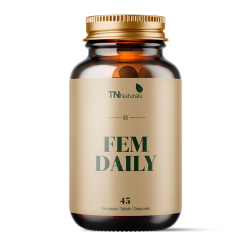
Tsunami Nutrition has developed Fem Daily by TN Naturals, a formulation that combines plant extracts with vitamins and minerals. Its declared ingredients include Libifem®, PrimaVie®, Shoden® and Holixer®, together with magnesium, zinc, iron, vitamin B6, vitamin D and inositol. The product is vegan, gluten-free and lactose-free.
The presence of several ingredients does not necessarily mean that a product is suitable for every woman or that it can correct hormonal imbalances. The choice should take the formulation's characteristics and individual circumstances into account.
Plant extracts and ingredients specifically for women
Some supplements for women's well-being contain botanical extracts studied for their potential role in different physiological areas. Extract quality, standardisation, the dose used and the available evidence are important factors when interpreting product information.
Fem Daily's formulation contains several specified ingredients:
- Libifem®: fenugreek extract (Trigonella foenum-graecum), standardised to 50% saponins according to the product information;
- PrimaVie®: a shilajit-based ingredient, labelled as standardised to 50% fulvic acid;
- Shoden®: ashwagandha extract (Withania somnifera), declared to contain 35% withanolides;
- Holixer®: holy basil extract, indicated as standardised to 5% bioactive Ocimum complex.
It is important not to interpret plant extracts as treatments for hormonal disorders, menstrual irregularities or menopausal symptoms. If these issues arise, a healthcare professional can assess their causes and clarify whether a supplement is appropriate, including in relation to any medicines being taken.
Vitamins and minerals involved in normal physiological functions
Vitamins and minerals are involved in numerous physiological processes. Adequate intake is important for everyone, although individual requirements may vary according to age, diet and other personal circumstances.
The following micronutrients are listed in the Fem Daily formulation:
- Vitamin B6: contributes to the regulation of hormonal activity and normal energy-yielding metabolism;
- Magnesium: contributes to the normal functioning of the nervous system and muscles, as well as to the reduction of tiredness and fatigue;
- Zinc: contributes to normal fertility and reproduction and to the protection of cells from oxidative stress;
- Iron: contributes to normal red blood cell and haemoglobin formation and to normal oxygen transport in the body;
- Vitamin D: contributes to the maintenance of normal muscle function and bones, and to the normal functioning of the immune system.
Inositol is also present. It is a compound involved in various cellular processes. Its usefulness depends on the context and the purpose for which it is used: it should not automatically be credited with the ability to balance hormones or treat specific women's health conditions.
Directions for use and precautions to know
To use a supplement for women's well-being correctly, follow the instructions on the packaging and do not exceed the recommended daily dose. It is equally important to read the warnings and consider any contraindications in relation to your personal circumstances.
For Fem Daily by TN Naturals, the recommended intake is 3 tablets a day with plenty of water. The supplement should not be considered a substitute for a varied, balanced diet and a healthy lifestyle. Use of the product during pregnancy and breastfeeding is also not recommended.
In general, before taking supplements containing plant extracts, it is advisable to consult a doctor if you are taking medication, have diagnosed medical conditions or are considering products to address persistent symptoms.
Supplements should not be used to self-diagnose or treat hormonal imbalances. New or persistent menstrual irregularities, abnormal bleeding, pronounced fatigue or symptoms that affect quality of life warrant medical assessment.
Frequently asked questions
What factors influence female hormonal well-being?
Hormonal well-being is influenced by several factors, including life stages, the menstrual cycle, diet, sleep, stress and overall health. Some medicines and medical conditions can also affect hormonal balance. If symptoms persist or significant menstrual changes occur, it is advisable to consult a healthcare professional.
Which nutrients are important for women's well-being?
Needs vary from person to person, but iron, magnesium, zinc, B vitamins and vitamin D perform several physiological functions. Iron deserves particular attention in women with heavy menstrual bleeding or risk factors for deficiency. A varied diet is the foundation for meeting nutritional needs; any supplementation should be assessed according to individual requirements.
Are supplements for women's well-being useful during menopause?
The answer depends on the product's composition, the symptoms and the individual's circumstances. Some ingredients are studied in relation to women's well-being at different stages of life, but the evidence varies between extracts and does not demonstrate that every supplement is effective against menopausal symptoms. For issues such as hot flashes, sleep disturbances or mood changes, it is advisable to consult a doctor to discuss available options.
When should you seek advice from a healthcare professional?
It is advisable to seek professional advice in cases of irregular periods or unusual bleeding, persistent fatigue, intense symptoms during perimenopause or menopause, or diagnosed medical conditions.
Consulting a doctor or pharmacist is particularly important before using supplements containing plant extracts while taking medication. During pregnancy and breastfeeding, the safety of every product must be checked and its specific warnings followed.
Women's well-being stems from the interaction between physiology, diet, rest and daily habits. Understanding the role of vitamins, minerals and plant extracts helps you assess available supplements more carefully, without attributing guaranteed effects to them or treating them as a substitute for medical care. The most appropriate choice is based on verifiable information, individual needs and responsible use.