- Diet
- 10 views

- All the vitamins in carrots
- Vitamins and nutrients in raw and cooked carrots
- Health and weight-related benefits
- Frequently asked questions
All the vitamins in carrots
Carrots are best known for their carotenoid content, particularly beta-carotene, but their nutritional profile also includes other vitamins. These include vitamin C, vitamin K and several B vitamins, which are present in smaller amounts.
The composition can vary depending on the variety of vegetable, its degree of ripeness, storage conditions and preparation method. For this reason, nutritional values should be considered indicative rather than identical for every carrot.
The role of beta-carotene and vitamin A
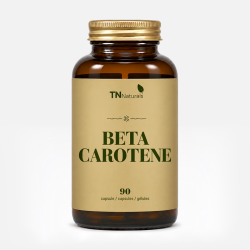
Beta-carotene is the main pigment responsible for the orange colour of carrots. It belongs to the carotenoid family and is defined as a provitamin A because the body can convert it into vitamin A, or retinol, through specific metabolic processes that take place mainly in the intestine.
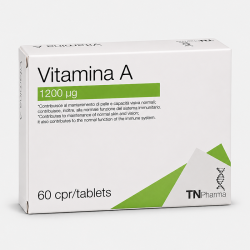
Vitamin A contributes to several physiological functions, including:
- Maintaining normal vision: it plays a role in the normal functioning of the retina and the process of adapting to light;
- Skin and mucous membrane health: it contributes to the maintenance of normal tissues and mucous membranes;
- Immune function: it contributes to the normal functioning of the immune system;
- Cell differentiation: it plays a role in the processes involved in cell specialisation.
It is important to distinguish between vitamin A already present in its active form in foods of animal origin and provitamin carotenoids found in plant foods. The beta-carotene in carrots must first be absorbed and converted by the body. The efficiency of this conversion can vary from person to person and also depends on the food matrix, preparation method and presence of fat in the meal.
The combination of vitamins C, K and B vitamins
In addition to beta-carotene, carrots contain other vitamins that contribute to the proper functioning of the body. These include:
- Vitamin C: contributes to the normal function of the immune system, collagen formation and the protection of cells from oxidative stress. It is a water-soluble vitamin that is sensitive to heat;
- Vitamin K: mainly in the form of phylloquinone (K1), it contributes to normal blood clotting and the maintenance of normal bones;
- Vitamin B1 (thiamine): contributes to normal energy metabolism and the functioning of the nervous system;
- Vitamin B2 (riboflavin): plays a role in energy metabolism and contributes to the protection of cells from oxidative stress;
- Vitamin B3 (niacin): contributes to normal energy metabolism and the functioning of the nervous system;
- Vitamin B6: plays a role in protein and glycogen metabolism and contributes to normal psychological and immune function;
- Vitamin B9 (folate): contributes to normal amino acid synthesis, blood formation and the growth of maternal tissues during pregnancy.
Carrots therefore provide several micronutrients involved in energy metabolism and numerous physiological functions. However, the amounts present are not sufficient to consider them a concentrated source of all these vitamins: it is important to eat a variety of foods and follow a complete diet.
The truth about vitamin D in carrots
Carrots are not a significant source of vitamin D. Like most vegetables and plant foods, they do not contain relevant amounts of cholecalciferol (vitamin D3) or ergocalciferol (vitamin D2).
The fact that they are rich in beta-carotene does not mean that they also provide vitamin D: these are different substances, with distinct functions and metabolic mechanisms. Vitamin D is mainly produced by the skin following exposure to UVB rays and can also be obtained from certain foods, such as oily fish, eggs and fortified products.
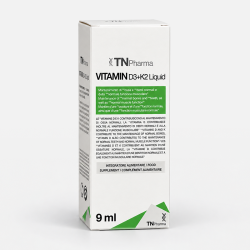
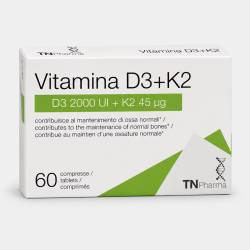
When sun exposure and diet are not sufficient to ensure an adequate intake, supplementation may need to be considered. In the presence of a deficiency or specific risk factors, a doctor can recommend the most appropriate dosage, including a combination of vitamin D3 and K2.
Vitamins and nutrients in raw and cooked carrots
Carrots can be eaten raw, steamed, boiled, baked or sautéed. The preparation method affects the availability of certain nutrients, particularly carotenoids and heat-sensitive vitamins.
There is no single best way to eat them: raw and cooked carrots have different nutritional characteristics and can both be part of a varied diet.
Vitamin absorption during cooking
Cooking can alter the structure of plant cells and soften the walls that enclose carotenoids. This process can make beta-carotene more easily accessible to digestive enzymes and improve its bioavailability.
Cooked carrots can be a good source of carotenoids, although the amount actually absorbed depends on several factors, including the cooking method, the texture of the food and the composition of the meal.
Vitamin C, on the other hand, is more sensitive to heat and can be lost in cooking water. Prolonged boiling can therefore reduce its content. To limit these losses, shorter cooking methods can be preferred, such as steaming or briefly sautéing the carrots.
Another important aspect is the presence of dietary fats. Since carotenoids are fat-soluble, eating carrots with a small amount of extra virgin olive oil or other foods containing fat can help their absorption.
Carbohydrates and calories in cooked carrots
Carrots are vegetables with a relatively low calorie content and a high percentage of water. They provide carbohydrates, mainly naturally occurring sugars and fibre, while protein and fat are present in small amounts.
Indicative nutritional values per 100 grams of product are:
- Raw carrots: approximately 41 kcal, 9.6 g of carbohydrates and 2.8 g of fibre;
- Boiled and drained carrots, without salt: approximately 35 kcal, 8.2 g of carbohydrates and 3 g of fibre.
The differences mainly depend on the amount of water in the food and the preparation method. Cooking can change the weight and concentration of nutrients per 100 grams, but it does not turn carrots into a high-calorie food.
Added ingredients should also be taken into account: oil, butter, dressings and sauces can significantly increase the energy content of a dish. Plain cooked carrots, on the other hand, remain a light side dish suitable for different dietary patterns.
Health and weight-related benefits
Thanks to their beta-carotene, fibre, water and other micronutrient content, carrots can contribute to a balanced and varied diet. Their benefits are mainly linked to the role of the nutrients they contain, which are involved in important physiological functions.
However, they are not a miracle food and cannot, on their own, prevent disease, improve eyesight beyond normal physiological conditions or cause weight loss.
Protective effects on eyesight and skin
One of the main nutrients in carrots is beta-carotene, which the body can convert into vitamin A. The latter contributes to the maintenance of normal vision, particularly through its role in the processes that allow the retina to function properly.
An adequate intake of vitamin A is also important for the maintenance of normal skin and mucous membranes and for the normal function of the immune system. Beta-carotene also belongs to the carotenoid family and has antioxidant activity, helping protect cells from oxidative stress.
This does not mean that eating carrots completely protects the eyes from diseases or the skin from damage caused by UV rays. Eating these vegetables does not replace eye examinations, sun protection or other habits that support skin health.
Eating raw carrots for weight loss
Raw carrots can be included in a diet aimed at weight management because they provide relatively few calories, contain plenty of water and supply fibre. These characteristics contribute to meal volume and can help promote a feeling of fullness.
Eaten as a snack, added to salads or served as a side dish, they can be a practical alternative to higher-calorie foods. Their crunchy texture also requires more chewing than soft or blended preparations.
However, it is important to clarify that raw carrots do not directly cause weight loss and do not have fat-burning properties. Weight loss depends on overall energy balance, diet quality, physical activity and the consistency of daily habits.
Frequently asked questions
How many carrots can you eat per day?
There is no specific daily limit for eating carrots. The amount depends on energy requirements, the rest of the diet and individual tolerance. An indicative serving may be around 150–200 grams, included in the daily vegetable portions recommended as part of a varied and balanced diet.
Eating carrots regularly helps provide fibre and carotenoids, but there is no need to eat large quantities to obtain nutritional benefits. It is preferable to alternate them with other vegetables of different colours to vary the intake of vitamins, minerals and plant compounds.
What are the contraindications of eating carrots?
Carrots are generally well tolerated and can be eaten by most people. In some cases, however, discomfort or situations requiring attention may occur.
- Excessive consumption: eating very large quantities of carrots over prolonged periods can contribute to carotenemia, a generally harmless condition characterised by a yellow-orange discolouration of the skin, particularly on the palms of the hands and soles of the feet. It is linked to the accumulation of carotenoids and tends to resolve when their intake is reduced;
- Allergy: some people may experience allergic reactions to carrots, sometimes also associated with sensitisation to pollens such as birch or mugwort. Symptoms may include itching or tingling in the mouth and throat;
- Gastrointestinal discomfort: high amounts of fibre, especially when introduced suddenly, can cause bloating or changes in bowel habits in sensitive individuals;
- Anticoagulant therapy: carrots contain vitamin K1, but not in particularly high amounts. People taking vitamin K antagonist medicines should maintain a consistent dietary intake and consult their doctor or treatment centre, without independently eliminating vegetables from their diet.
What are the health benefits of carrot juice?
Carrot juice contains beta-carotene and other carotenoids, as well as varying amounts of vitamin C and potassium. It can therefore contribute to micronutrient intake and provide a convenient way to consume this vegetable.
However, juicing or extracting the juice changes some of the nutritional characteristics of whole carrots. Depending on the method used, some of the fibre may be removed along with the pulp. For this reason, juice tends to be less filling than eating the whole vegetable.
The beta-carotene in juice may be more readily available than that in a whole raw carrot, partly because processing breaks down some of the plant structure. A study conducted on a small group of adults observed greater beta-carotene absorption after drinking juice than after eating raw carrots, but these results do not demonstrate that juice is always preferable or produces greater clinical benefits.
Can eating raw carrots in the evening be harmful?
There are no general contraindications to eating raw carrots in the evening. They can be included in dinner without any problem, as a side dish or in a salad, because they do not contain substances that directly interfere with sleep.
In some people, however, eating raw vegetables can cause bloating or intestinal discomfort, especially if they have digestive sensitivities or difficulty tolerating fibre. In these cases, cooked carrots may be a more suitable choice, as they are generally softer and sometimes better tolerated.
The choice between raw and cooked carrots in the evening should therefore depend mainly on personal preferences and digestive tolerance, without any need to avoid them at a particular time of day.
Carrots are a nutritious vegetable, best known for their beta-carotene content, a precursor of vitamin A. They also provide vitamin C, vitamin K and some B vitamins, as well as fibre and water. However, they do not contain significant amounts of vitamin D.
Eating carrots raw helps preserve certain heat-sensitive vitamins, while cooking can improve the availability of carotenoids. Both preparations can therefore contribute to a balanced diet, without the need to favour one over the other in all circumstances.