
Articles by Matteo Massimo Primo

L-Theanine: What Is It Used For? Benefits and Side Effects
L-theanine is an amino acid naturally found in tea leaves and studied for its potential effects on relaxation, the stress response, and cognitive functions. It is often used in dietary supplements intended for people who want to support concentration without giving up a sense of calm. In this article, we explore what L-theanine is used for, its potential benefits, when to take it, and the side effects and contraindications to be aware of.

BCAAs: What Are They Used For? Differences, When and How to Take Them, and Side Effects
BCAAs are three essential amino acids involved in energy metabolism and muscle function. They are often used by people who practice sports to support muscle growth and recovery. Available in different formulations, such as 2:1:1, 4:1:1, and 8:1:1, they differ in the ratio of leucine, isoleucine, and valine. In this article, we explore what BCAAs are used for, when and how to take them, which dosages to consider, and which side effects to be aware of before choosing a supplement.

Acetyl L-Carnitine: What Is It Used For? How to Take It and Contraindications
Acetyl L-carnitine is a form of carnitine studied for its potential role in energy metabolism and nervous system function. It is mainly used in dietary supplements, but its effects may vary depending on individual circumstances and the available evidence for each area of use. In this article, we explore what acetyl carnitine is used for, which benefits are supported by research, how to take it, and which contraindications to consider before choosing a supplement.

What Is Taurine? Properties, Sources, Dosages, and Side Effects
Taurine is a substance naturally present in the human body and involved in several physiological processes, including the regulation of fluid balance within cells, muscle function, and the functioning of the nervous system. It is also known for its presence in energy drinks and supplements used in sports nutrition. In this guide, we explore the properties of taurine, the foods that contain it, the dosages studied, and the main precautions to be aware of before using a supplement.
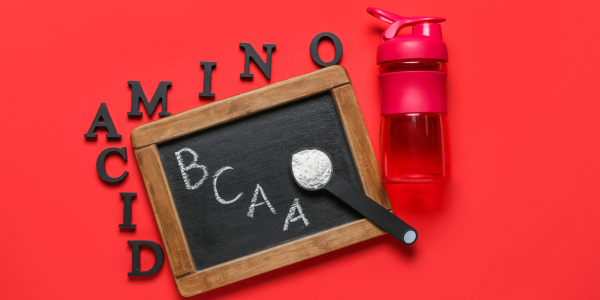
BCAAs: What Are They? What Are Branched-Chain Amino Acids Used For?
BCAAs are essential amino acids that are well known in sports nutrition and are used mainly by people who engage in weight training or intense physical activity. The acronym comes from the English term Branched-Chain Amino Acids and refers to three nutrients: leucine, isoleucine and valine. These amino acids are involved in protein metabolism and play important roles in muscle tissue. In this guide, we explore what BCAAs are, how they differ from EAAs, and how to navigate composition ratios and timing of intake.

Amino Acids: What Are They For, When and How to Take Them
Amino acids are essential molecules for the body's functioning and play an important role in protein building, maintaining muscle mass, and numerous metabolic processes. For those who practice sports, understanding their functions can help clarify when supplementation may be useful and how to incorporate it into a balanced diet. In this guide, we will explore what amino acids are used for, which foods contain them, and which aspects to consider before choosing a specific product.
Glutamine: What Is It Used For? Where to Find It, How to Take It and Contraindications
Glutamine is an amino acid found abundantly in the body and involved in several physiological processes, including the metabolism of intestinal cells and the functioning of the immune system. Although the body can produce it on its own, requirements may increase under certain conditions. For this reason, glutamine is often of interest in sports nutrition and intestinal health. In this guide, we will explore its main functions, how to take it, its potential role in recovery after exercise, and the contraindications to be aware of before using a supplement.

Leucine: What Is It Used For, Where Is It Found, and How Should It Be Taken?
Leucine is one of the nine essential amino acids and plays an important role in protein synthesis, particularly in muscle tissue. Since the body cannot produce it independently in sufficient quantities, it must be obtained through the diet by choosing protein sources such as meat, fish, eggs, dairy products, legumes, and soy. In this guide, we will explore its functions, the main dietary sources, how to take it, and the precautions to be aware of before using specific products.
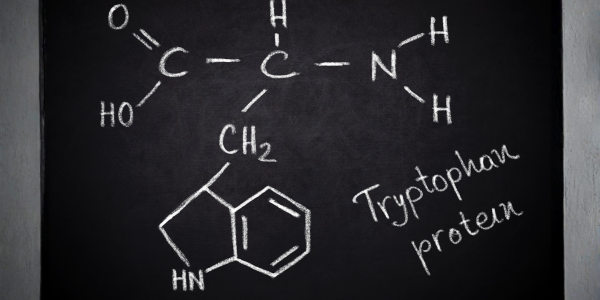
Tryptophan: What It Is, What It Does, Sources and Intake
Tryptophan is an essential amino acid that the body uses to produce proteins and synthesize several molecules that are important for nervous system function, including serotonin and melatonin. For this reason, it is often associated with emotional well-being, relaxation and sleep regulation. It is found in various foods of both animal and plant origin and can also be taken through specific supplements. To understand its characteristics, it is useful to distinguish between the functions of tryptophan, its dietary sources and the precautions to consider when evaluating supplementation.