- Diet
- 1 views
- The best foods containing vitamin D
- The presence of vitamin D in fruit and vegetables
- Summary table of foods containing vitamin D
- Combining vitamins D3 and K2 in your diet
- Recommended foods for specific needs
- Frequently asked questions
The best foods containing vitamin D
Vitamin D is a fat-soluble nutrient that is important for calcium and phosphorus absorption, maintaining healthy bones and teeth, and the normal functioning of the immune system. The body can produce it independently when the skin is exposed to UVB rays from sunlight, but some of our intake can also come from food.
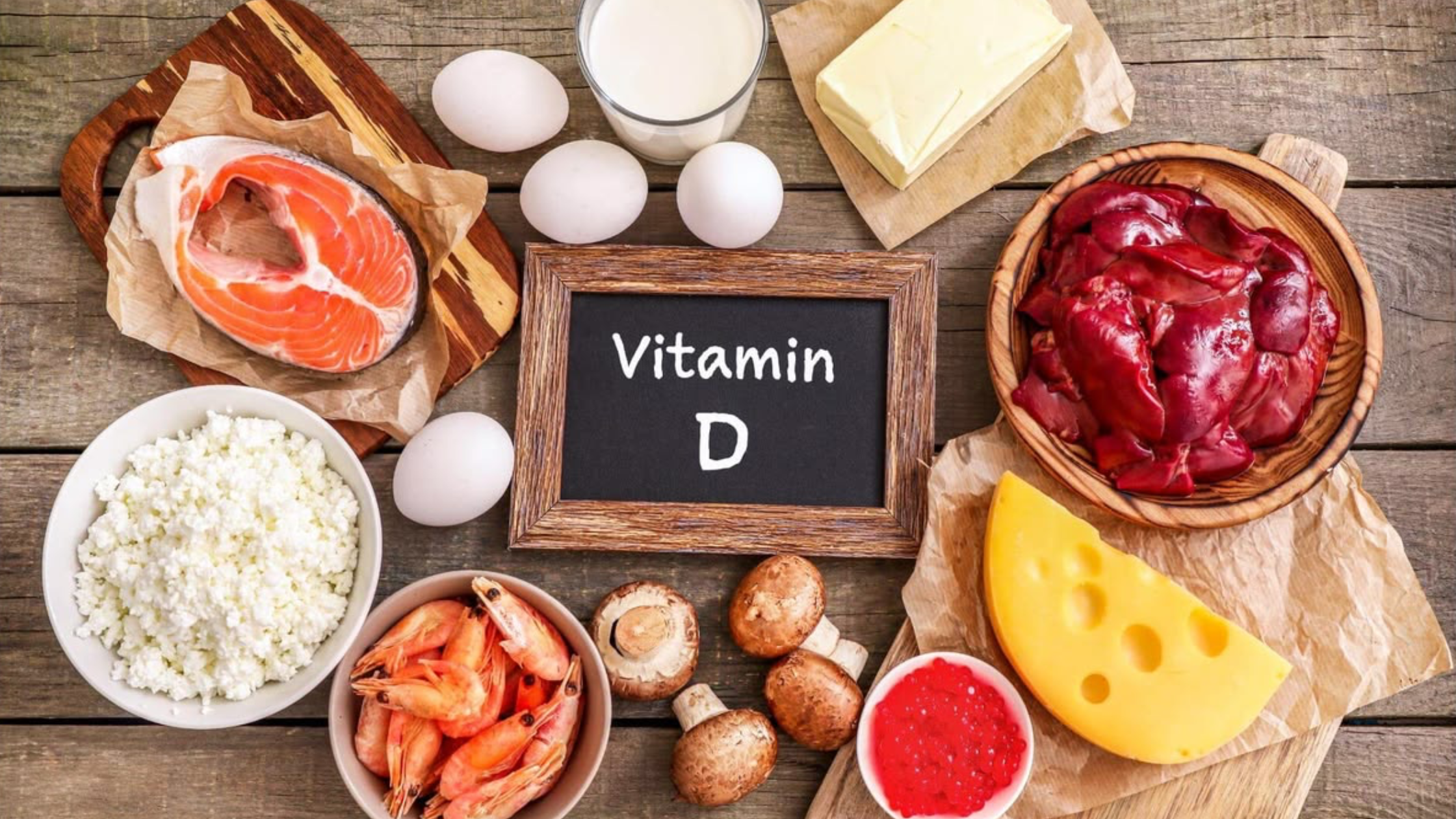
There are relatively few natural dietary sources of vitamin D. Some of the most noteworthy include oily fish, cod liver oil, egg yolks, and certain animal-derived products.
The amount found in different foods can vary depending on the species, farming conditions, origin, and preparation method. For this reason, knowing the main sources makes it possible to plan a more varied diet, without considering the consumption of a single food as a guarantee that your daily requirements will be met.
Oily fish and cod liver oil
Oily fish is among the most important dietary sources of vitamin D. Salmon, mackerel, herring, sardines, trout, and certain types of tuna can provide noteworthy amounts. The actual content varies depending on the species, the animal's diet, and its origin, but these foods are among the most practical ways to obtain vitamin D through your diet.
Oily fish also provides other nutrients, including high biological value proteins and Omega-3 fatty acids. Alternating between these species as part of a balanced diet therefore allows you to benefit from a broader nutritional profile.
Another well-known source is cod liver oil, which can contain high amounts of vitamin D. However, it is important not to confuse it with ordinary fish oil: in addition to vitamin D, it can also provide preformed vitamin A. Excessive intake of the latter can be harmful, especially during pregnancy. For this reason, cod liver oil should not be taken freely or combined with other vitamin supplements without first assessing total intake.
Oily fish can be included in meals using different cooking methods, such as baking, grilling, or steaming. Alternating between species and preparation methods helps diversify your diet and regularly introduce sources of vitamin D, without relying exclusively on a single product.
Egg yolks and dairy products
Egg yolks contain vitamin D, although generally in lower amounts than oily fish. The concentration can vary depending on the hen's diet and farming conditions. Eggs are nevertheless nutritionally valuable foods because they also provide proteins, fats, vitamins, and minerals.
Some dairy products, such as cheese, can also contain small amounts of vitamin D. However, the content is not consistent: it depends on the type of product and the characteristics of the raw material. Milk, yoghurt, and their derivatives are not necessarily rich in this vitamin unless they have been specifically fortified.
It is useful to distinguish between products that naturally contain vitamin D and those to which it is added during production. In the latter case, the amount can be checked by reading the nutrition table and ingredient list. This is particularly useful when buying fortified milk, plant-based drinks, or yoghurt.
The presence of vitamin D in fruit and vegetables
When discussing foods containing vitamin D, fruit and vegetables are generally not the first sources to consider. Most fresh plant-based foods, such as apples, citrus fruits, bananas, carrots, and salads, do not contain significant amounts of this vitamin.
There is, however, one interesting exception: certain mushrooms can contain vitamin D2, especially when exposed to ultraviolet light. In addition, some plant-based drinks and products can be enriched with vitamin D during production. These foods can contribute to dietary intake, but it is necessary to check the actual amounts stated on the label.
Mushrooms exposed to sunlight
Mushrooms are one of the few plant-based sources that can provide appreciable amounts of vitamin D. They contain ergosterol, a substance that can be converted into vitamin D2 (ergocalciferol) when exposed to ultraviolet rays.
The amount of vitamin D depends on the species, growing conditions, and exposure to UV light. Some commercially available mushrooms are deliberately treated in this way to increase their vitamin content. It is therefore not correct to attribute the same nutritional contribution to all mushrooms: those grown under standard conditions may contain very low amounts.
Vitamin D2 performs a function similar to D3 in contributing to vitamin D intake, although the two forms have some metabolic differences. Including mushrooms exposed to UV rays in your diet can be an interesting option, especially for those following a predominantly plant-based diet.
Enriched and fortified plant-based foods
Another way to obtain vitamin D through a plant-based diet is by choosing fortified foods. These are foods to which a specific amount of vitamin is added during production. Common examples include certain soy, oat, or almond-based plant drinks, as well as some breakfast cereals and other packaged products.
The presence of the vitamin should be checked on the label, looking at both the amount per serving and the percentage of the nutrient reference values. It is also useful to check which form of vitamin D has been added, generally D2 or D3.
For those following a vegan diet, these foods can help make vitamin D intake more varied. However, the amount obtained depends on how frequently they are consumed and the formulation of each product.
Summary table of foods containing vitamin D
To make it easier to identify the main dietary sources, the following table summarises some foods that can contribute to vitamin D intake. The values are indicative and may vary depending on the species, origin, processing, and preparation. For fortified foods, it is necessary to refer to the amount stated by the manufacturer.
| Food | Form of vitamin D | Characteristics |
|---|---|---|
| Trout | Mainly D3 | Among the naturally richest dietary sources |
| Salmon | Mainly D3 | Provides vitamin D and Omega-3 fatty acids |
| Mackerel and herring | Mainly D3 | Oily fish with variable vitamin D content |
| Sardines | Mainly D3 | Source of vitamin D, proteins, and fats |
| Cod liver oil | Mainly D3 | Can also provide high amounts of vitamin A |
| Egg yolk | Mainly D3 | Generally contains lower amounts |
| Cheese | Mainly D3 | Variable and generally modest contribution |
| Mushrooms exposed to UV rays | D2 | Content increases following UV exposure |
| Fortified plant-based drinks | D2 or D3 | Amount varies depending on the product |
| Fortified cereals | D2 or D3 | Always check the values stated on the label |
As the table shows, oily fish and fish liver oils are among the most concentrated dietary sources, while eggs and cheese generally contribute smaller amounts. Fortified products can provide useful support, but their contribution depends on the amount of vitamin added.
To compare foods correctly, it is also important to consider the portion actually consumed. A value expressed per 100 grams does not necessarily correspond to the amount obtained from a normal serving.
Combining vitamins D3 and K2 in your diet
Vitamin D3 and vitamin K2 are often combined in supplements designed to support bone health. The two vitamins are involved in different but interconnected processes related to calcium metabolism.
- Vitamin D contributes to intestinal calcium absorption and helps maintain adequate levels of this mineral in the blood;
- Vitamin K is involved in activating certain proteins that participate in bone metabolism and the regulation of tissue calcification.
These proteins include osteocalcin, which is involved in the structure of bone tissue, and matrix Gla protein (MGP), which participates in processes that regulate calcification in tissues. Vitamin K is necessary for their correct carboxylation, a biochemical modification that enables these proteins to perform their respective functions.
This biological connection explains the scientific interest in combining vitamins D3 and K2. However, it does not mean that taking both vitamins has been proven to automatically direct calcium towards the bones while preventing it from being deposited in the arteries. Studies on the clinical effectiveness of this combination have produced inconsistent results and do not allow the combination to be recommended for everyone.
From a dietary perspective, vitamin D3 is found mainly in oily fish, egg yolks, and certain animal products. Vitamin K2, on the other hand, is present in some fermented foods and animal-derived products, in varying amounts.
Recommended foods for specific needs
The choice of foods containing vitamin D can vary depending on dietary habits, preferences, and individual needs. People following an omnivorous diet can rely mainly on oily fish, eggs, and certain animal products, while those who limit or exclude these foods need to pay greater attention to alternative sources and fortified products.
To help guide your choices, it is useful to consider a few situations:
- For those following an omnivorous diet: alternate between salmon, mackerel, sardines, and other oily fish, also including eggs and dairy products according to your needs;
- For those following a vegetarian diet: consider eating eggs, dairy products, and fortified foods, checking the actual amounts of vitamin D they contain;
- For those following a vegan diet: consider fortified plant-based drinks and cereals, as well as mushrooms exposed to UV rays, always checking their composition. Natural plant-based sources of vitamin D are limited;
- For those who eat little fish: it may be useful to vary the other available sources, without assuming that eggs and cheese alone are enough to meet your requirements;
- For those with specific nutritional needs: in the presence of malabsorption, medical conditions, or insufficient blood levels, food choices and any potential supplementation should be assessed with a healthcare professional.
It is important to remember that vitamin D is also produced through skin exposure to UVB rays. Skin synthesis depends on several factors, including the season, latitude, time of day, weather conditions, skin pigmentation, age, and use of sun protection. It is therefore not possible to establish an amount of exposure that is suitable for everyone, nor is it advisable to seek excessive sun exposure to increase vitamin levels.
Frequently asked questions
Which food is by far the richest in vitamin D?
Among natural foods, certain fish liver oils and oily fish such as trout and salmon can contain very high amounts of vitamin D. However, the content varies depending on the species and preparation method, so there is no single food that is always the richest under all conditions.
How can you increase vitamin D levels quickly through diet?
To increase your dietary intake of vitamin D, you can regularly eat oily fish, eggs, mushrooms exposed to UV rays, and fortified foods. However, diet alone may not be enough to quickly correct an existing deficiency. If your levels are low, it is advisable to consult a doctor, who can assess your test results and determine whether supplementation is necessary.
Is it possible to meet your entire vitamin D requirement through food alone?
It is possible to obtain vitamin D through food, but for many people meeting their entire requirement exclusively through diet can be difficult, because natural sources are limited and are not always consumed regularly.
Skin synthesis also makes an important contribution to vitamin availability, but it varies depending on numerous individual and environmental factors. If insufficient intake or a deficiency is suspected, a doctor can assess the situation and whether supplementation may be necessary.
Does cooking food destroy vitamin D?
Vitamin D is fat-soluble and relatively stable when exposed to heat compared with some water-soluble vitamins, but the amount actually retained can vary depending on the temperature, cooking time, and method. To preserve its content, it is preferable to avoid excessively prolonged cooking and choose methods suited to each food, bearing in mind that losses can vary from one product to another.
Oily fish, cod liver oil, egg yolks, and certain mushrooms exposed to UV rays are among the main dietary sources of vitamin D. Fortified products can also contribute to daily intake, especially for those following a vegetarian or vegan diet. A varied diet is an important starting point, but it is not always enough to meet your requirements: when risk factors or a documented deficiency are present, it is advisable to consult a healthcare professional to assess whether supplementation may be necessary.