- Diet
- 4 views
- Main foods rich in vitamin K
- Table of foods in alphabetical order
- Vitamin K and Coumadin use
- Frequently asked questions
Main foods rich in vitamin K
Vitamin K includes several substances, among which are phylloquinone (vitamin K1) and menaquinones (vitamin K2).
- K1 is the form most commonly found in the diet and is present mainly in green vegetables and vegetable oils;
- K2 is found in varying amounts in certain fermented foods and animal-derived products.
This vitamin is involved in activating proteins that play a role in blood clotting and bone metabolism. It can be obtained through a varied diet that includes vegetables, fruit and other food sources. When considering supplementation, it is important to take individual requirements and any ongoing treatments into account.
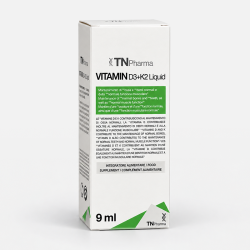
Vitamin K can also be combined with vitamin D3 in some formulations. The two nutrients contribute to different physiological functions: vitamin D supports the normal absorption and utilisation of calcium, while vitamin K contributes to the maintenance of normal bones.
However, the presence of both nutrients in the same formulation does not mean that combining them is necessary for everyone or that it automatically prevents specific conditions.
Green leafy vegetables
Green leafy vegetables are among the richest dietary sources of vitamin K1. Phylloquinone is found in photosynthetic plant tissues and is therefore present in significant amounts in many green vegetables. Including these vegetables regularly in meals can make an important contribution to daily vitamin K intake.
Among the vegetables that contain high amounts are:
- Spinach: one of the best-known sources. It can be eaten raw in salads or cooked as a side dish and used as an ingredient in various recipes;
- Kale: contains significant amounts of vitamin K1 and can be used in salads, soups or side dishes;
- Swiss chard: both the leaves and stalks can be used in different recipes, with the leaves providing particularly interesting amounts of vitamin K;
- Turnip greens: a typical ingredient in Italian cuisine, they contribute vitamin K along with other micronutrients;
- Broccoli: provides vitamin K and can be steamed, boiled or pan-fried;
- Brussels sprouts: belong to the Brassicaceae family and are another plant-based source of phylloquinone;
- Lettuce and other green salads: their content varies depending on the variety, but they can contribute to overall intake.
The amount of vitamin K can vary depending on the vegetable variety, serving size and preparation method. Green leafy vegetables are therefore particularly useful for increasing K1 intake, but there is no need to eat the same foods all the time: alternating between different varieties helps make the diet more varied.
As a fat-soluble vitamin, vitamin K is absorbed together with dietary fats. Dressing vegetables with an appropriate amount of extra virgin olive oil can therefore support the absorption of the vitamin present in the food. This does not mean that large amounts of dressing are necessary: a balanced amount as part of the meal is sufficient.
Fruit containing vitamin K
Some fruits also contain vitamin K, generally in lower amounts than green leafy vegetables. They can still contribute to daily intake while also providing fibre, water, vitamins and other plant compounds.
Fruits that provide vitamin K include:
- Blueberries: contain moderate amounts of vitamin K and can be eaten fresh or added to yoghurt and breakfast dishes;
- Grapes: provide varying amounts of vitamin K depending on the variety and serving size;
- Figs: both fresh and dried figs can contribute to vitamin K intake, although values vary depending on water content and processing;
- Avocado: contains vitamin K and predominantly unsaturated fats, making it an interesting food to include in meals and snacks;
- Pomegranate: the fruit and its juice can provide varying amounts of vitamin K.
Fruit is not generally a primary source of vitamin K, but it can contribute to dietary variety. It is preferable to alternate between different fruits and consider them alongside other food sources, without assuming that a single serving will necessarily meet daily requirements.
Foods containing vitamin K2
Vitamin K2, or menaquinone, includes several forms identified by the abbreviation MK followed by a number, such as MK-4 and MK-7. Unlike vitamin K1, which is found mainly in vegetables, K2 is present primarily in certain animal-derived foods and products obtained through bacterial fermentation.
Food sources include:
- Natto: a traditional Japanese food made by fermenting soybeans. It is particularly rich in vitamin K2, especially in the MK-7 form;
- Aged and fermented cheeses: some varieties may contain menaquinones, with amounts depending on the bacteria used and the production and maturation conditions;
- Egg yolk: can provide vitamin K2, mainly in the form of MK-4;
- Meat and poultry: some products contain menaquinones, although amounts vary depending on the food and the animals' diet;
- Liver and other animal products: may contain different forms of vitamin K2, with values varying according to the species and raw material.
It is important to distinguish between the two main forms of vitamin K: K1, or phylloquinone, comes mainly from plant foods, while K2, or menaquinone, is found in some fermented and animal-derived foods. K2 is involved in activating vitamin K-dependent proteins, including osteocalcin, which plays a role in bone metabolism. The MGP protein, which is also found in vascular walls and other tissues, likewise depends on vitamin K for its activation.
The amounts of menaquinones in foods are more difficult to compare than those of vitamin K1 because the available data are still limited and vary according to fermentation and processing. In Western diets, natto, a traditional Japanese food, is not generally eaten as frequently as other products. For this reason, some people consider formulations combining vitamin D3 and K2.
Table of foods in alphabetical order
The following table lists some foods that contribute to vitamin K intake, arranged alphabetically. The values are indicative and refer to the specified serving sizes, not always to 100 g: this makes it possible to compare realistic food quantities, but differences between serving sizes must be taken into account. Data for vitamin K1 and K2 are listed separately when the nutritional source allows this distinction.
| Food | Reference serving | Approximate vitamin K content | Predominant form reported |
|---|---|---|---|
| Avocado | 100 g | About 21 µg | K1 |
| Cooked Swiss chard | 1 cup | About 572 µg | K1 |
| Cooked broccoli | ½ cup | About 110 µg | K1 |
| Raw kale | 1 cup | About 113 µg | K1 |
| Cooked chickpeas | 100 g | Low, variable amount | K1 |
| Dried figs | ¼ cup | About 6 µg | K1 |
| Cheddar cheese | About 42 g | About 4 µg | K2 (MK-4) |
| Raw iceberg lettuce | 1 cup | About 14 µg | K1 |
| Natto | About 85 g | About 850 µg | K2 (MK-7) |
| Extra virgin olive oil | 1 tablespoon | About 8 µg | K1 |
| Raw spinach | 1 cup | About 145 µg | K1 |
| Hard-boiled eggs | 1 large egg | About 4 µg | K2 (MK-4) |
| Grapes | ½ cup | About 11 µg | K1 |
The values in the table are approximate and may vary depending on the variety, preparation method and nutritional database used. Information on vitamin K2, in particular, is less complete than the data available for K1. The figures reported for natto and some animal products refer to specific forms of menaquinone and should not be interpreted as identical values for all products in the same category.
The table also shows why green leafy vegetables are considered among the main sources of vitamin K1. Natto stands out for its high MK-7 content, while cheeses and eggs can contribute smaller amounts of K2. To build a varied diet, it is useful to alternate between different food categories rather than relying exclusively on a single food.
Vitamin K and Coumadin use
Vitamin K plays an essential role in normal blood clotting. Coumadin, whose active ingredient is warfarin, is an anticoagulant medicine that works by interfering with the vitamin K cycle and reducing the activation of certain clotting factors.
People taking Coumadin need to pay attention to the amount of vitamin K they consume through food. The key point, however, is not to completely eliminate vegetables or other foods containing it, but to maintain an intake that is as regular and consistent over time as possible.
Significant and sudden changes in the consumption of foods rich in vitamin K can alter the effect of warfarin and affect the INR, the parameter used to monitor blood clotting. A significant increase in vitamin K intake may reduce the anticoagulant effect, while a marked reduction may enhance it. Both situations can involve risks and require attention.
Foods to avoid or limit
When taking Coumadin, the foods richest in vitamin K do not necessarily need to be eliminated. Instead, it is important to avoid sudden changes in the amounts consumed and how frequently they are eaten. For example, if you regularly eat green leafy vegetables, it is preferable to maintain similar habits over time and inform the healthcare professional monitoring your treatment.
Foods that deserve particular attention because of their vitamin K content include:
- Spinach, kale and Swiss chard: among the most concentrated sources of vitamin K1. They do not need to be eliminated automatically, but it is important to keep serving sizes and consumption frequency consistent;
- Broccoli and Brussels sprouts: provide significant amounts of vitamin K and should be included in the diet at a consistent frequency over time;
- Lettuce and other green leafy vegetables: can make a significant contribution to daily intake, especially when eaten in large portions;
- Chickpeas and other legumes: generally contain less vitamin K than some green vegetables, but can still contribute to overall intake;
- Vegetable oils: some, such as soybean and rapeseed oil, contain vitamin K and should be considered as part of the usual diet;
- Liver and some animal products: may provide varying amounts of vitamin K2;
- Natto and some fermented cheeses: may contain menaquinones, but the amount depends on fermentation and the type of product.
It is also necessary to pay attention to supplements and multivitamin products containing vitamin K1 or K2. Plant extracts and some combination products may also change overall intake. Before starting, stopping or changing a supplement, it is advisable to consult a doctor or pharmacist and follow the instructions of the anticoagulation clinic. Never change your Coumadin dose on your own based on what you have eaten.
Frequently asked questions
What is the food richest in vitamin K overall?
Among commonly mentioned foods, natto, made by fermenting soybeans, is one of the most concentrated sources of vitamin K2, particularly in the MK-7 form. Values reported in nutritional databases can reach approximately 850–1,000 µg per 100 g, although they vary according to production and fermentation.
When considering vitamin K1, some green leafy vegetables, such as spinach, kale and Swiss chard, can contain very high amounts. For this reason, there is no single food that can be defined as the richest overall without specifying which form of vitamin K is being considered and whether the comparison is based on 100 g or a typical serving.
Do bananas contain vitamin K?
Yes, bananas contain vitamin K, but generally in smaller amounts than green leafy vegetables. They can contribute to overall daily intake alongside other foods, but they are not considered a particularly rich source of this vitamin.
Bananas can still be part of a varied diet because they provide carbohydrates, fibre and other micronutrients. If the goal is to increase vitamin K intake, it is more useful to alternate them with vegetables such as spinach, broccoli, kale and lettuce, which generally contain higher amounts.
Does cooking reduce the vitamin K content of foods?
Cooking can change the vitamin K content of foods, but it does not necessarily cause a significant or complete loss. Vitamin K is fat-soluble and relatively heat-stable compared with some water-soluble vitamins, but the outcome depends on the preparation method, cooking time and amount of water used.
During boiling, some nutrients may be lost in the cooking water, while other methods, such as steaming or pan-frying, can result in different levels of loss. In addition, water loss during cooking can increase the concentration of vitamin K per 100 g of cooked food, even if the total amount in the serving changes.
Vitamin K is found mainly in green leafy vegetables, but also in some fruits, vegetable oils, animal-derived foods and fermented products. K1 is the predominant form in vegetables, while K2 is found mainly in certain fermented foods such as natto and in varying amounts in cheese, eggs and meat.
A varied and balanced diet can help meet vitamin K requirements. However, people taking Coumadin need to pay particular attention to keeping their intake consistent and avoiding sudden changes in their consumption of foods containing high amounts of this vitamin. If you are receiving anticoagulant therapy, have questions about your diet or are considering supplements, always follow the advice of your doctor or the clinic monitoring your INR.