- Diet
- 15 views
- Plant-based proteins: what they are
- Foods rich in plant-based proteins
- Legumes and their derivatives
- Cereals and pseudocereals
- Nuts and oilseeds
- Nutritional values table
- Comparison between plant and animal proteins
- The essential amino acid profile
- Digestibility and absorption
- Plant-based proteins for diet and sport
- Supporting muscle mass
- Their role in weight loss
- Plant-based protein powders and supplements
- Contraindications and nutritional limitations
- Frequently asked questions
- Which plant food is highest in protein?
- How can you replace meat with plant-based proteins in your diet?
- Do eggs contain animal or plant-based proteins?
- Which plant-based proteins can you have for breakfast?
Plant-based proteins: what they are
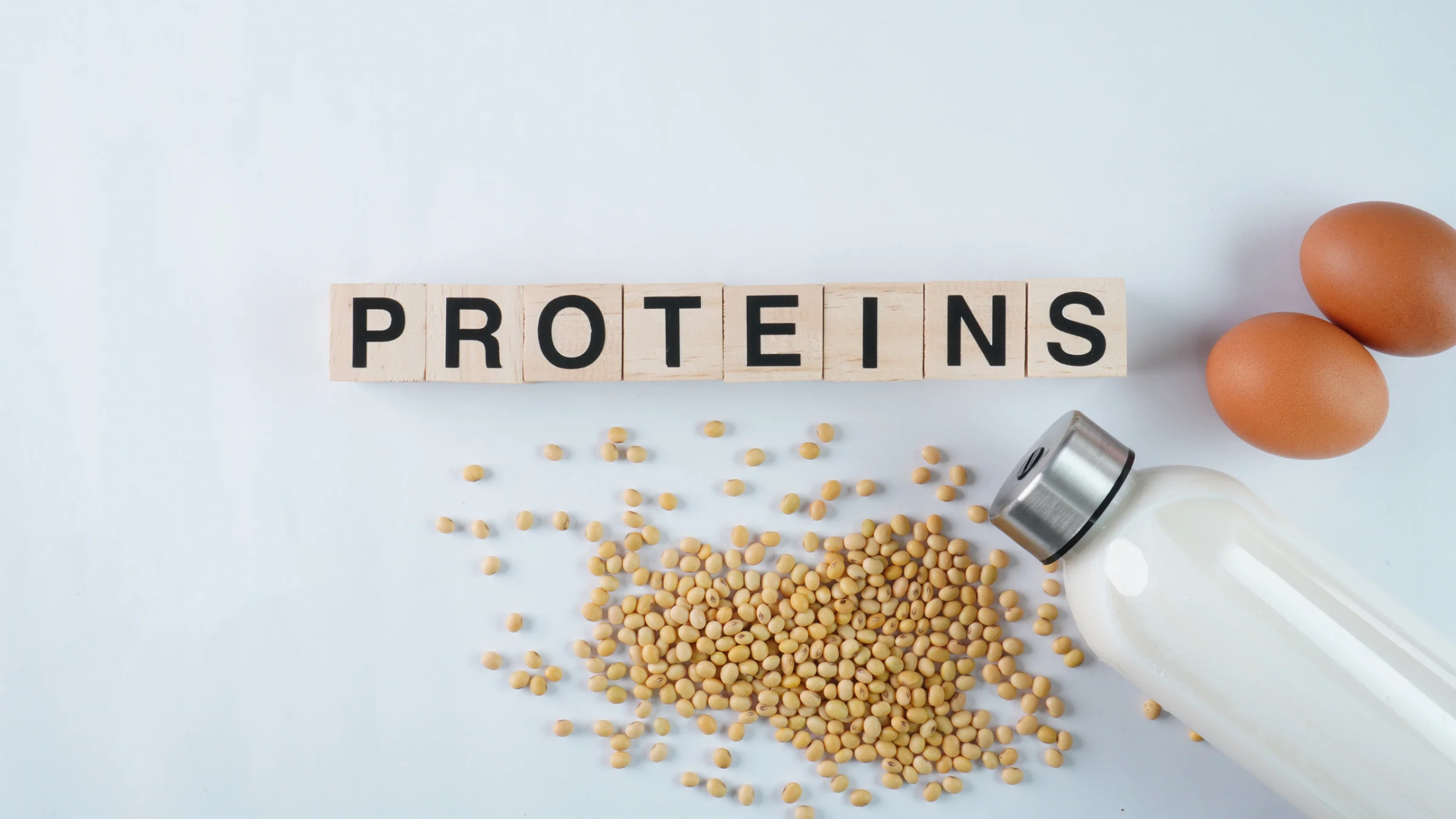
Plant-based proteins are proteins found in foods of plant origin. Like all dietary proteins, they consist of chains of amino acids that are absorbed and used by the body for numerous physiological functions.
Amino acids contribute to tissue building and renewal, the production of enzymes and other biological molecules, and the maintenance of muscle mass. Some amino acids, known as essential amino acids, cannot be produced by the body in sufficient quantities and must be obtained through the diet.
The main sources of plant-based protein include:
- Legumes: lentils, chickpeas, beans, peas, lupins and grass peas;
- Legume-based products: tofu, tempeh, edamame and other soy-based foods;
- Cereals: oats, wheat, spelt, barley and other grains;
- Pseudocereals: quinoa, amaranth and buckwheat;
- Nuts: almonds, peanuts, pistachios, walnuts and hazelnuts;
- Oilseeds: pumpkin, sunflower, hemp, sesame and chia seeds;
- Derived foods: plant-based drinks and preparations, legume pasta and protein products formulated with plant ingredients.
These foods do not all provide the same amount of protein. Dry legumes contain considerably more protein per 100 g than the same legumes after cooking, because they absorb water and increase in weight during cooking.
Plant-based proteins can be included in omnivorous, vegetarian or vegan diets. People who exclude all animal-derived foods should pay particular attention to planning a varied diet that meets their protein requirements and provides other essential nutrients.
Foods rich in plant-based proteins
To increase plant-based protein intake, it is useful to understand the characteristics of different food groups. Some foods, such as soy and its derivatives, stand out for their protein content and amino acid profile; others, including cereals, nuts and seeds, can complement meals and contribute to dietary variety.
There is no need to rely on a single food: alternating different sources helps diversify nutrient intake and build meals suited to individual habits, preferences and energy requirements.
Legumes and their derivatives
Legumes are among the most important sources of plant-based protein. Lentils, chickpeas, beans, peas and lupins can be used in pasta dishes, soups, salads, plant-based burgers and side dishes. In addition to protein, they provide varying amounts of complex carbohydrates, fibre, vitamins and minerals.
Protein concentration varies according to the species and the food's state. Dry legumes generally contain more protein per 100 g before cooking than cooked legumes, which absorb water. For this reason, when comparing two foods, it is important to use values referring to comparable portions and preparation conditions.
Soy deserves particular attention among plant-based sources. It is used to produce foods such as tofu, tempeh, edamame and soy-based drinks. Soy protein has a favourable essential amino acid profile compared with many other plant sources, making it a useful option for people who want to increase their protein intake without relying on animal-derived foods.
For balanced meals, legumes can be combined with cereals, vegetables and other foods. It is not essential to combine complementary amino acids in the same dish: for most healthy people, varying protein sources throughout the day and following an overall adequate diet is sufficient.
Cereals and pseudocereals
Cereals also contribute to daily protein intake. Oats, wheat, spelt, barley and rice contain varying amounts of protein, although they are generally used primarily as carbohydrate sources. Their contribution to protein intake becomes meaningful when they are eaten regularly and included in meals that also contain other plant foods.
Pseudocereals, such as quinoa, amaranth and buckwheat, are seeds used in cooking in much the same way as cereals, although they belong to different botanical groups. They can be alternated with pasta, bread and rice to diversify the diet. Quinoa, in particular, has an interesting essential amino acid profile compared with many traditional cereals, although the protein content of the portion eaten remains important.
Rice is a common choice among plant foods for people looking for ingredients that are easy to incorporate into meals. Protein concentrates can also be obtained through rice processing. Rice protein can be used in powdered formulations, including in combination with other plant sources to achieve a more balanced overall amino acid profile.
Combining cereals and legumes is nutritionally useful because their amino acid profiles can complement one another. In general, many legumes provide relatively high amounts of lysine, while some cereals are more limited in this amino acid. Including both food groups in the diet therefore helps diversify protein sources.
Nuts and oilseeds
Almonds, peanuts, pistachios, walnuts, hazelnuts and oilseeds contain plant-based protein, but they are particularly notable for their contribution of fats, energy and micronutrients. They can enrich breakfasts, snacks, salads and cereal-based dishes, helping to diversify the diet.
Some of the most interesting seeds in terms of protein content are pumpkin, hemp, sunflower and sesame seeds. In addition to protein, chia seeds provide fibre and fats, including plant-derived omega-3 fatty acids. Actual protein content varies according to the type of seed and the product used.
Nuts and seeds are nutritious foods, but they are also relatively energy-dense. Their portion size should therefore be considered within overall calorie requirements, particularly when following a weight-management diet.
One example is peanut butter, made by processing peanuts and available in different formulations. It can provide plant-based protein and fats, but its composition varies depending on whether sugars, added oils, salt or other ingredients are included.
These foods can be incorporated into the diet by adding seeds to porridge, having a small portion of nuts as a snack, or adding tahini or peanut butter to a dish while paying attention to quantities. They do not need to be eaten every day or used as the sole protein source.
Nutritional values table
The amount of protein in plant foods varies according to the variety, processing, preparation method and water content. The following table provides approximate average protein values per 100 g of food, which can be used to compare common sources. These values do not replace the information on packaged food labels and may differ between nutritional databases.
| Food | Food state | Approx. protein per 100 g |
|---|---|---|
| Lentils | Cooked and drained | 9 g |
| Chickpeas | Cooked and drained | 8–9 g |
| Beans | Cooked and drained | 7–9 g |
| Peas | Cooked | 5–6 g |
| Edamame | Cooked beans | 11–12 g |
| Tofu | Ready to eat | 8–17 g |
| Tempeh | Ready to eat | 18–20 g |
| Quinoa | Cooked | 4–5 g |
| Oats | Dry flakes | 13–14 g |
| Wheat pasta | Cooked | 5–6 g |
| Almonds | Dry food | 20–22 g |
| Peanuts | Dry food | 25–26 g |
| Pumpkin seeds | Dry seeds | 28–30 g |
| Hulled hemp seeds | Dry seeds | 30–32 g |
| Chia seeds | Dry seeds | 16–18 g |
To estimate the protein content of a meal, consider the portion actually eaten. If a serving of cooked lentils weighs 200 g and contains approximately 9 g of protein per 100 g, it will provide around 18 g of protein. The actual amount depends on preparation and product composition.
Comparison between plant and animal proteins
Plant and animal proteins perform the same fundamental functions in the body: they provide amino acids needed for tissue maintenance and renewal. The main differences concern amino acid profile, digestibility, protein concentration and the other nutrients present in the food.
Animal proteins, such as those found in eggs, milk, meat and fish, generally contain all essential amino acids in favourable proportions and are often highly digestible. Some plant sources, particularly soy, can also provide a complete amino acid profile. Other plant sources may be relatively low in one or more essential amino acids.
A varied, well-planned diet can provide all the necessary amino acids, even without animal-derived foods. Overall dietary quality depends on source variety, the amounts consumed and meeting energy and nutritional requirements.
The essential amino acid profile
There are nine essential amino acids: histidine, isoleucine, leucine, lysine, methionine, phenylalanine, threonine, tryptophan and valine. The body cannot synthesise them in sufficient quantities, so they must be obtained through dietary protein.
The quality of a protein source also depends on the quantity and proportions of these amino acids. A food may be high in total protein but relatively low in a particular essential amino acid compared with the body's needs. In this case, that amino acid is called the limiting amino acid, because it may restrict the body's overall use of the protein to synthesise new body proteins.
Legumes and cereals do not have to be combined in every single meal. For a healthy person eating a varied and adequate diet, diversifying protein sources throughout the day is generally sufficient to help meet essential amino acid requirements.
Soy is a particularly interesting plant source because of its amino acid profile. Isolated proteins from some plant sources may also have a high protein concentration and better digestibility than the original whole food, depending on the processing methods used.
Digestibility and absorption
Protein digestibility refers to how effectively a protein is broken down during digestion and made available for amino acid absorption. This process can vary according to the protein source, food structure, fibre and other components, and preparation methods.
Some plant proteins in whole foods may be less digestible, partly because of plant cell structure and compounds that can interfere with the accessibility of proteins to digestive enzymes.
Processing and cooking can affect digestibility. Soaking and properly cooking legumes, for example, improve their usability as food and help reduce some naturally occurring compounds that may interfere with digestion. Producing protein isolates can also change the characteristics of the raw material by concentrating the protein fraction and reducing some other components.
Plant sources do not need to be excluded simply because their digestibility may differ from that of some animal proteins. A varied diet with adequate quantities and appropriate preparation methods can provide protein that the body can use. People with higher requirements, such as some athletes, may benefit from paying closer attention to total intake, meal distribution and source variety.
Plant-based proteins for diet and sport
Plant-based proteins can be included both in a diet aimed at general wellbeing and in a nutrition plan for people who exercise. Their usefulness depends on total protein intake, the amino acid profiles of the selected sources and the overall balance of the diet.
For people following a vegetarian or vegan diet, meal planning helps meet protein requirements through legumes, soy, cereals, seeds, nuts and derived products. For people who exercise, it is also important to consider energy expenditure, training type and recovery or muscle-development goals.
Protein does not work in isolation: supporting physical activity requires sufficient energy and adequate intake of carbohydrates, fats, vitamins, minerals and fluids. Dietary strategies should therefore be tailored to the individual and the sport they practise.
Supporting muscle mass
Protein provides the amino acids needed for muscle protein synthesis and tissue renewal. During resistance training, such as working with weights or machines, muscles are exposed to a stimulus that, together with adequate nutrition and recovery, can promote the adaptations responsible for increased muscle mass.
Plant sources can contribute to this process, provided total protein intake is sufficient and the diet supplies adequate amounts of essential amino acids. Alternating legumes, soy, cereals, seeds and other plant sources and distributing protein across main meals and snacks can help meet these goals.
A well-planned diet can support muscle growth. However, simply increasing protein intake is not enough: training progression, rest, calorie intake and consistency over time are also important.
Requirements vary according to body weight, training intensity and frequency, energy intake and individual goals. For demanding training schedules or specific needs, a sports dietitian can help develop an appropriate nutrition strategy.
Their role in weight loss
Protein can also be useful during a weight-loss programme. It contributes to maintaining muscle mass and may promote satiety, helping create satisfying meals. These effects should be considered as part of an overall balanced diet; they do not mean that protein alone causes weight loss.
Weight loss generally requires a sustainable energy deficit, meaning calorie intake below energy expenditure. The amount of protein needed depends on individual requirements, body weight, physical activity and dietary composition. Adequate intake can help preserve lean mass, particularly when combined with resistance training.
Plant sources can easily fit into a weight-management diet. Legumes and soy products, for example, provide protein and may also supply fibre; nuts and seeds are more energy-dense and require portions that fit calorie requirements.
Protein powders can be a practical option when it is difficult to meet protein requirements through food, but they are not essential for weight loss. They should be included in daily energy intake and do not replace a varied diet or a personalised nutrition plan.
Plant-based protein powders and supplements
Plant-based protein powders are products made from sources such as soy, pea, rice and hemp, or blends of different plant ingredients. They are used to supplement protein intake when a convenient option is helpful, for example after training, at breakfast or as part of a snack.
These products may be considered by people following a vegan diet, those who want to limit animal-derived ingredients or those who prefer to diversify their protein sources. Their composition varies according to the raw material and production process, so it is important to read each product's nutritional information.
Plant-based formulations are not all the same. Some use a single protein source, while others combine different ingredients to create a more balanced overall amino acid profile. The choice should take into account protein per serving, ingredients, potential allergens, tolerability and personal preferences for flavour and texture.
Before buying a supplement, it is useful to check:
- Protein per serving: shows how much the product contributes to daily requirements;
- Protein source: soy, pea, rice and other raw materials have different nutritional characteristics;
- Amino acid profile: the presence and quantity of essential amino acids may be worth checking, especially when requirements are high;
- Added ingredients: flavourings, sweeteners and other components vary between formulations;
- Allergens and tolerability: check for soy or other ingredients that may not suit your needs;
- Directions for use: the serving specified on the label should be considered within the overall diet.
Protein powders are a convenient way to increase protein intake without having to prepare solid food each time. Their use should be based on actual needs, avoiding excessive protein intake beyond individual requirements.
Contraindications and nutritional limitations
Plant-based proteins can be part of a balanced diet, but choosing sources carefully and planning meals are important to avoid deficiencies or imbalances. Not all plant foods contain the same amount of protein, and not all sources have the same essential amino acid profile.
One of the main factors to consider is variety among protein sources. Relying on only a few foods can make it harder to obtain adequate amounts of all nutrients. Alternating legumes, soy, cereals, nuts and seeds helps diversify nutrient intake and prevents the diet from depending too heavily on a single food group.
People following a vegan diet should also pay attention to nutrients that may require specific planning, including vitamin B12, iron, calcium, iodine, vitamin D and long-chain omega-3 fatty acids. Requirements vary according to the individual and their diet.
It is important to distinguish potential problems caused by a poorly planned diet from the characteristics of plant-based proteins themselves. A well-structured plant-based diet can be adequate, but attention must be paid to total energy and protein intake and to meeting essential nutrient requirements.
Some aspects deserve particular attention:
- Allergies and intolerances: soy, peanuts, nuts and other ingredients can cause reactions in susceptible people. Read labels and choose foods that meet your needs;
- Gastrointestinal issues: a rapid increase in fibre, for example through large amounts of legumes, may cause bloating or changes in bowel habits in some people. Increasing portions gradually and using suitable preparation methods may improve tolerance;
- High sporting requirements: people who train intensely may need to plan protein quantities, distribution and source variety more carefully;
- Kidney disease or other clinical conditions: protein requirements may need individual guidance from a doctor or dietitian;
- Supplements: check composition, directions for use and potential allergens, and do not treat supplements as substitutes for a balanced diet.
Frequently asked questions
Which plant food is highest in protein?
There is no single plant food that can be considered the highest in protein in every situation, because comparisons depend on the part of the plant, processing and the food's state. Among common plant sources, soy and its derivatives, such as tempeh and some types of tofu, are particularly interesting for their protein content and essential amino acid profile.
When choosing the most suitable source, it is useful to consider protein per serving, other nutrients, digestibility and how easily the food fits into your diet. There is no need to rely on just one exceptionally protein-rich food: alternating different sources is generally more versatile.
How can you replace meat with plant-based proteins in your diet?
To replace meat with plant sources, choose foods that make an adequate contribution to the meal's protein content. Legumes, tofu, tempeh, edamame and soy-based products are some of the most practical alternatives. Cereals, nuts and seeds can also contribute to total intake, although their nutritional characteristics differ.
Some practical examples include:
- using lentils or beans to make plant-based sauces and soups;
- choosing tofu or tempeh as the main ingredient in a dish with cereals and vegetables;
- adding chickpeas or beans to spelt, rice or quinoa salads;
- alternating traditional pasta with legume-based pasta, checking the protein content on the label;
- varying protein sources throughout the week to improve nutritional diversity.
A well-planned plant-based diet can provide all essential amino acids. Vary protein sources throughout the day and ensure adequate energy intake, paying attention to iron, vitamin B12 and other nutrients that require specific planning in a vegan diet.
Do eggs contain animal or plant-based proteins?
Eggs contain animal-derived protein because they come from an animal. They are therefore not a source of plant-based protein and are not included in a vegan diet.
Egg protein has a favourable essential amino acid profile and is generally considered a high-quality protein source. Both egg white and yolk contain protein, although the yolk also provides fats and other nutrients.
Which plant-based proteins can you have for breakfast?
Breakfast can contribute to daily protein intake through a range of plant foods. Practical options include oat flakes, soy-based drinks, nuts, seeds, nut butters and preparations made with legumes or plant-based flours.
Oat flakes and oat flour can be used to prepare porridge, pancakes and other breakfast recipes. To make the meal higher in protein, they can be paired with a suitable protein source, such as a soy drink or a plant-based yoghurt with a significant protein content.
People who exercise or follow a vegan diet can achieve adequate protein intake by carefully planning food quantities and variety. Protein powders may be useful in some situations. The best choice is one that meets individual nutritional needs and fits into a sustainable, well-organised eating pattern.