- Diet
- 6 views

- The best meal replacements for weight loss
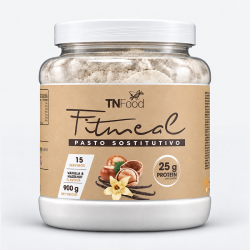
- Fitmeal Meal Replacement 900 g
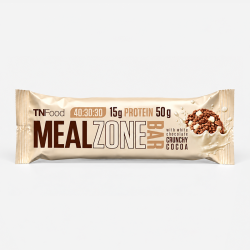
- Mealzone Meal Bar 40:30:30 50 g
- Best high-protein meal replacement
- Fitmeal Meal Replacement 900 g
- Best powdered meal replacement
- Mealzone Meal Bar 40:30:30 50 g
- How to choose the best meal replacements for weight loss
- Calorie content and macronutrient balance
- Fibre content and satiety
- Vitamins, minerals and added sugars
- Evaluation methodology
- Analysis of nutritional values and ingredients
- Assessment of satiety and solubility
- Review of customer ratings and opinions
- Frequently asked questions
- Are meal replacements for weight loss really effective?
- How many kilos can you lose in a week with meal replacements?
- How many meals per day can be replaced during a low-calorie diet?
- What are the health risks associated with prolonged use of meal replacements?
The best meal replacements for weight loss
Meal replacements are products designed to replace a meal as part of a controlled diet. Before choosing one, it is important to read the nutrition table, directions for use and warnings on the label.
Not all products are formulated to replace a complete meal. A bar, yoghurt or protein shake can be useful in certain situations, but they do not necessarily provide all the nutrients needed to replace lunch or dinner.
1- TN Food Fitmeal Meal Replacement 900 g
TN Food Fitmeal is a powdered product that may be suitable for people looking for a quick preparation, to be used according to the instructions on the packaging and as part of a low-calorie diet that also includes other foods.
The serving listed in the nutritional information is 60 g and provides:
- 212 kcal;
- 25 g of protein;
- 17 g of carbohydrates, of which 3.6 g are sugars;
- 4.1 g of fat;
- 3.5 g of fibre.
The formula includes several protein sources, carbohydrate- and fibre-based ingredients, vitamins and minerals. The product is gluten-free.
To prepare it, mix 60 g of powder with 200 ml of water or another beverage. The final energy content may change if you use a beverage other than water, so it is useful to take this into account when planning your daily intake.
Fitmeal can be a practical option when you want a pre-portioned meal that is quick to prepare. However, it does not guarantee weight loss on its own: weight loss depends mainly on overall energy balance and how sustainable your diet is over time. The product should be used according to the label instructions, without neglecting other meals or dietary variety.
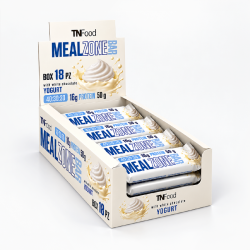
2- TN Food Mealzone Meal Bar 40:30:30 50 g
Mealzone Meal Bar 40:30:30 is a TN Food bar distinguished by its stated macronutrient distribution: 40% carbohydrates, 30% protein and 30% fat. The 50 g format is easy to carry and can be practical when you are away from home or unable to prepare a traditional snack.
It is a protein bar and meal replacement, but it is important not to automatically consider every bar a nutritionally complete replacement for lunch or dinner. Its suitability depends on its intended use, the manufacturer's instructions and the overall dietary context.
For the Dark Chocolate Crunchy Cocoa flavour, the nutrition table lists the following values for a 50 g bar:
- 207 kcal;
- 15 g of protein;
- 22 g of carbohydrates;
- 7 g of fat;
- 1 g of fibre.
Values may vary depending on the flavour, so it is advisable to check the specific label before purchasing and consuming the product. The bar can be a practical option for managing a snack away from home, but it should not be confused with a simple high-protein product or used indiscriminately to replace varied and balanced meals.
Best high-protein meal replacement
When looking for a high-protein meal replacement, it is important to distinguish between a product formulated to replace a meal and a supplement or snack that mainly provides protein. Protein content is a useful parameter, but it is not the only criterion to consider: energy, carbohydrates, fats, fibre, vitamins and minerals also contribute to the nutritional assessment.
TN Food Fitmeal Meal Replacement 900 g
Tsunami Nutrition has formulated Fitmeal as a powdered meal replacement, characterised by a protein content of 25 g per 60 g serving.
The product may be suitable for people who want a quick, pre-portioned preparation. However, the presence of protein does not automatically make it more effective for weight loss: the outcome depends on how the product is incorporated into the diet and whether overall energy intake is consistent with the goal.
Best powdered meal replacement
Powdered products can be practical because they allow you to quickly prepare a drink or a pre-portioned mixture. To make an informed choice, it is important to read the nutrition table, check the ingredients and verify the manufacturer's directions for use.
TN Food Fitmeal Meal Replacement 900 g
Fitmeal is the powdered product in the Tsunami Nutrition selection that is explicitly presented as a meal replacement. The recommended serving is 60 g, prepared with 200 ml of water or another beverage, following the instructions on the packaging.
Before using it, check the updated composition, allergens and warnings. The product lists milk and soy proteins among its ingredients, so anyone with allergies or specific dietary requirements should carefully check the label.
A powdered meal replacement should not become the sole source of nutrition. It should be used as part of a diet that includes other foods and provides variety and adequate nutrition. If you have a medical condition, are pregnant or breastfeeding, or have specific dietary needs, it is advisable to consult a healthcare professional before regularly replacing meals.
How to choose the best meal replacements for weight loss
Choosing a meal replacement should start with individual needs and dietary goals, rather than being based solely on the number of calories or weight-loss promises in marketing materials.
It is useful to evaluate the nutritional composition, serving size, ingredients and directions for use. Convenience also matters, but it should not take priority over the overall quality of the diet and the need to maintain varied and balanced meals.
Calorie content and macronutrient balance
The energy value indicates how many calories a serving of the product provides. To compare two meal replacements, it is important to check that the values refer to comparable serving sizes and to consider the beverage used to prepare them.
In addition to calories, the amounts of protein, carbohydrates and fat should be assessed. Protein contributes to the maintenance of muscle mass, while carbohydrates and fats contribute to energy intake and various physiological functions in the body.
A low-calorie product is not necessarily the best choice in every situation. It is important to consider whether it is actually formulated to replace a meal, which nutrients it provides and how it fits into the rest of the day's diet.
Fibre content and satiety
Fibre contributes to normal bowel function and can help make a meal more satisfying. The amount in meal replacements varies depending on the ingredients and formulation, so it is useful to check the value stated on the label.
The product's texture, serving volume, how quickly it is consumed and the overall composition of the diet can also influence feelings of fullness and appetite control. However, no product can guarantee the same effect for everyone.
Vitamins, minerals and added sugars
Vitamins and minerals perform essential functions in the body and may be present in different amounts in meal replacement products. It is useful to check which micronutrients are included and in what quantities, without assuming that every product has the same composition.
It is equally important to check the sugar content and distinguish total sugars from added sugars when this information is provided on the label. Fat, fibre and salt content also contribute to the overall assessment of a product.
Evaluation methodology
Nutritional characteristics should be taken from labels or official product information, while individual experiences cannot guarantee identical results for everyone.
This selection is not a clinical ranking and does not demonstrate that one product is more effective than another for weight loss. Its aim is to provide practical criteria for comparing meal replacements and foods that can be used when planning meals.
Analysis of nutritional values and ingredients
The first criterion is to check the nutrition table and ingredient list.
For each product, it is advisable to check:
- energy value per serving;
- the amounts of protein, carbohydrates and fat;
- fibre and sugar content;
- the stated presence of vitamins and minerals;
- allergens and ingredients that may not be suitable for individual needs;
- the manufacturer's directions for use and warnings.
It is also important to distinguish products formulated as meal replacements from protein snacks and individual foods. The latter may be useful as part of a diet, but should not automatically be considered equivalent to a complete meal.
Assessment of satiety and solubility
Ease of use is another factor to consider. For powdered products, ease of preparation and solubility can influence the consumption experience. For bars and ready-to-eat foods, portability, portioning and ease of storage may be important.
Satiety is subjective and can vary from person to person, depending on the amount consumed, meal composition and eating habits. It is therefore not appropriate to attribute a guaranteed effect on hunger or weight loss to a product without adequate evidence.
Review of customer ratings and opinions
Reviews can provide information about the user experience, for example in terms of taste, texture, ease of preparation or format convenience. However, they should be interpreted cautiously because they reflect individual experiences and do not demonstrate a product's effectiveness for weight loss.
When reading customer opinions, it is useful to distinguish subjective judgements from verifiable information about composition. Nutritional data and directions for use should be checked on the packaging or in the official product information, while reviews can help determine whether the format suits personal preferences.
Frequently asked questions
Are meal replacements for weight loss really effective?
Yes, meal replacements can be useful in some dietary programmes because they make it easier to control portions and estimate the energy intake of a meal. However, their effectiveness in supporting weight loss depends on how they are used and on the overall diet.
A meal replacement does not automatically cause weight loss and does not compensate for excess food intake during the rest of the day. To achieve sustainable results, it is important to follow an appropriate dietary plan, maintain habits suited to individual needs and, where possible, engage in an appropriate level of physical activity.
How many kilos can you lose in a week with meal replacements?
There is no specific number of kilos that can be reliably predicted for a week of using meal replacements. Changes in body weight depend on energy balance, starting weight, individual characteristics, physical activity and changes in body fluids.
A rapid decrease on the scales does not necessarily correspond to an equivalent loss of body fat. Similarly, short-term weight fluctuations may be caused by factors other than changes in fat mass.
How many meals per day can be replaced during a low-calorie diet?
The number of meals that can be replaced depends on the product and the instructions on the packaging. Some meal replacements have specific directions for use as part of a low-calorie diet, but this does not mean that the same approach is suitable for every product or for prolonged periods without professional assessment.
It is not advisable to replace all meals with packaged products without professional guidance. If you want to follow a programme involving regular meal replacements, particularly for several weeks, consult a doctor or dietitian who can assess your needs, the duration and the suitability of the plan.
What are the health risks associated with prolonged use of meal replacements?
The risks depend on the type of product, frequency of use, duration and how the overall diet is organised. Inappropriate use may make it more difficult to maintain dietary variety and sustainable habits, particularly if meal replacements take the place of many meals without adequate planning.
It is important to ensure that the overall diet provides sufficient energy and nutrients. Some products also contain ingredients or allergens that may not be suitable for everyone. Carefully reading the label and following the directions for use is therefore essential.
Prolonged use or a very low-calorie dietary programme should be assessed by a healthcare professional, particularly in the presence of medical conditions, medication use, pregnancy, breastfeeding or a history of difficulties related to eating behaviour.
Meal replacements for weight loss can offer a practical way to organise some meals, but the choice should be based on nutritional composition, directions for use and individual needs. Fitmeal is the powdered product in the Tsunami Nutrition selection explicitly presented as a meal replacement, while Mealzone is a bar that should be assessed according to the manufacturer's specific instructions.