- Health and wellness
- 17 views
- Agnocasto: Characteristics of the Plant and Traditional Uses
- Properties and Benefits of Agnocasto
- Frequently Asked Questions
Agnocasto: Characteristics of the Plant and Traditional Uses
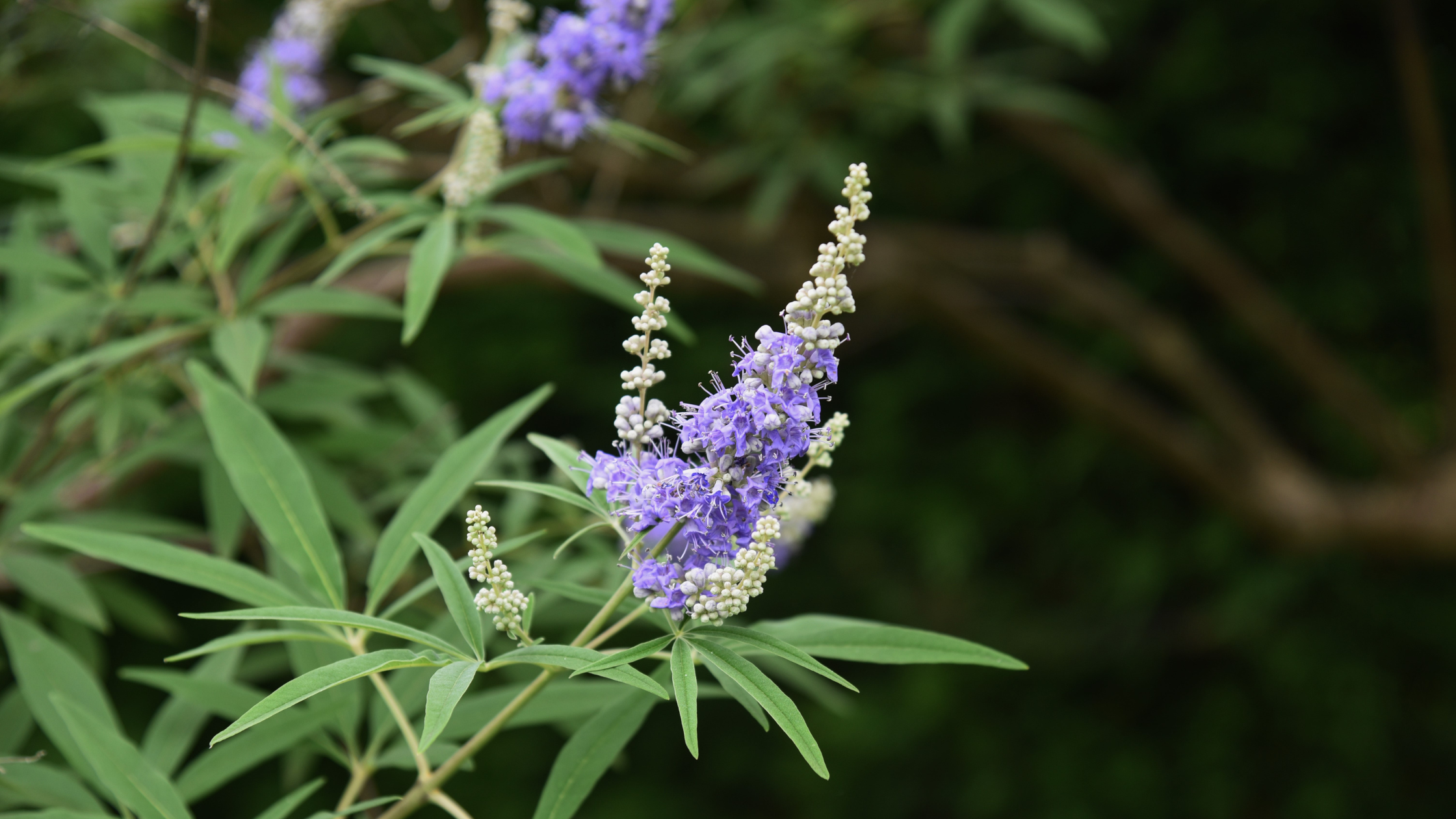
Agnocasto is a botanical species native to the Mediterranean regions and Western Asia, belonging to the Lamiaceae family. It is a shrub that grows in temperate environments, often near waterways, and has aromatic leaves and clustered flowers.
Its dried fruits are mainly used to produce preparations intended for various purposes, primarily related to women's well-being and, in particular, the management of certain mild symptoms associated with the premenstrual phase.
It is important to distinguish traditional use from indications supported by clinical studies. Some specific preparations have been evaluated for premenstrual syndrome. The composition and concentration of plant compounds may vary according to the extraction method and formulation.
Vitex agnus-castus: Origin and Active Compounds
The fruits of Vitex agnus-castus contain several classes of plant compounds that contribute to the plant's characteristics.
The main groups include:
- Flavonoids: natural compounds found in numerous plant species and studied for their various biological activities.
- Iridoids: compounds characteristic of certain plants, also found in Agnocasto fruits.
- Diterpenes: compounds that have attracted interest because of their potential interaction with dopamine receptors.
- Essential oil components: aromatic substances present in the fruits in varying amounts.
One of the most extensively studied mechanisms is the activity that may help modulate the secretion of prolactin, a hormone produced by the pituitary gland. However, the overall mechanism of action of Agnocasto has not yet been fully clarified.
The presence of these compounds does not mean that every supplement produces the same effects. To evaluate a product, it is necessary to consider the preparation used, the information on the label, and the manufacturer's instructions, without assuming that all extracts are equivalent.
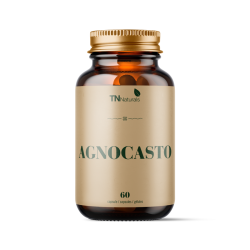
Tsunami Nutrition has formulated TN Naturals Agnocasto 60 Capsules. The formulation contains 500 mg of Agnocasto fruit powder per capsule, with a vegetable capsule made of hydroxypropyl methylcellulose.
Agnocasto and Women's Well-Being
Agnocasto is primarily known for its traditional use in relation to certain symptoms affecting women's well-being, particularly those that occur before menstruation. Scientific interest focuses on the potential influence of specific extracts on certain premenstrual symptoms and the endocrine mechanisms involved.
The response may vary from person to person and also depends on the preparation used. For this reason, Agnocasto should not be considered a universal solution for menstrual disorders or a substitute for medical assessment when symptoms are persistent or particularly severe.
Agnocasto and the Menstrual Cycle
The menstrual cycle is regulated by a complex system involving the brain, pituitary gland, and ovaries. Hormonal changes throughout the month may be accompanied by physical and emotional symptoms, especially in the days leading up to menstruation. Common premenstrual symptoms include irritability, mood changes, breast tenderness, headaches, and a feeling of bloating.
Agnocasto formulations have been studied for the management of premenstrual syndrome. Available results suggest that certain extracts may help relieve some symptoms in some people.
In cases of persistent irregular periods, severe pain, unusual bleeding, or symptoms that interfere with everyday activities, it is advisable to consult a doctor to identify the cause and determine the most appropriate course of action.
Agnocasto and Hormonal Regulation
The relationship between Agnocasto and hormonal regulation is one of the most extensively studied aspects of the plant. Some of its compounds may interact with dopamine receptors, potentially influencing prolactin secretion. Prolactin is a hormone produced by the pituitary gland and is primarily involved in breast milk production, as well as other physiological processes.
There is insufficient evidence to describe Agnocasto as a product capable of automatically rebalancing estrogen and progesterone or treating any endocrine disorder. Potential effects depend on the preparation and individual characteristics.
Anyone who suspects a hormonal imbalance, experiences persistent symptoms, or is undergoing endocrine treatment should consult a healthcare professional before using supplements.
Properties and Benefits of Agnocasto
The properties of Agnocasto are primarily associated with its traditional use for certain premenstrual symptoms. Clinical research has focused mainly on specific extracts and their potential effects on symptoms such as irritability, mood changes, and breast tenderness.
Before choosing a supplement, it is advisable to read the label carefully and check that its use is compatible with your needs and any ongoing treatments. When significant symptoms are present, an appropriate medical assessment remains the priority.
For those considering a product containing this plant, TN Naturals Agnocasto 60 Capsules contains 60 capsules, each providing 500 mg of Agnocasto powder. The recommended use is one capsule per day with a glass of water. The product is vegan, gluten-free, and lactose-free.
Precautions, Contraindications, and Interactions
Plant-based origin does not automatically guarantee that a product is suitable for everyone. Agnocasto may cause adverse effects and could interact with certain medicines, so individual circumstances should be assessed before use.
The main precautions concern:
- Pregnancy and breastfeeding: use is not recommended because there are insufficient safety data.
- Dopamine-acting medicines: theoretical interactions may occur with medicines that stimulate or block dopamine receptors.
- Hormonal treatments: anyone taking hormonal medicines, anti-estrogens, or related medicines should consult a doctor or pharmacist before use.
- Hormone-sensitive conditions: in the presence of conditions for which hormonal activity is relevant, use should be assessed by a healthcare professional.
- Potential adverse effects: gastrointestinal disturbances, headaches, dizziness, skin reactions, and menstrual changes have been reported. The frequency of these effects is not always known.
If adverse reactions occur or symptoms worsen, it is advisable to stop taking the supplement and seek advice from a healthcare professional. Do not independently modify or discontinue prescribed treatment.
Frequently Asked Questions
What is Agnocasto used for?
Agnocasto is traditionally used for certain mild symptoms that occur before menstruation. Available evidence mainly concerns specific preparations studied for premenstrual symptoms and cannot automatically be applied to all supplements containing the plant.
Does Agnocasto affect hormones?
Some Agnocasto compounds may interact with dopamine receptors and influence prolactin secretion. The mechanism is not fully understood, and it is not accurate to consider the plant a general regulator of all female hormones.
How long does Agnocasto take to work?
The time needed to observe potential effects depends on the preparation used and the individual response. Effects are generally assessed after continuous use for approximately three months, in accordance with the relevant EMA guidance.
Can Agnocasto be taken during menopause?
Evidence on Agnocasto relates mainly to premenstrual symptoms, while data on its use for menopausal symptoms are limited.
It therefore cannot be considered a proven treatment for hot flashes, sleep disturbances, or other menopausal symptoms. It is advisable to consult a doctor to assess the most appropriate options.
Who should avoid Agnocasto?
Agnocasto is not recommended during pregnancy and breastfeeding. Anyone taking medicines that act on dopamine, hormonal treatments, or anti-estrogens should consult a healthcare professional before using it.
The same precaution is important for people with hormone-sensitive conditions or persistent symptoms that require medical assessment.
Agnocasto is a plant traditionally used for certain premenstrual symptoms and studied for the potential effects of specific preparations. Understanding its active compounds, the limitations of the evidence, and the precautions for use can help people make informed decisions about supplementation.