- Health and wellness
- 0 views
- Which vitamins belong to the B group
- The complete list from B1 to B12
- What they are used for and their main benefits
- Foods rich in B vitamins
- B vitamin supplements
- Frequently asked questions
Which vitamins belong to the B group
The term vitamin B complex refers to a group of eight water-soluble vitamins, each with specific functions. Although they are often presented together, they are not identical substances and do not all play the same role: some are mainly involved in nutrient metabolism, while others contribute to blood cell formation or the functioning of the nervous system.
As they are water-soluble, they are generally transported through body fluids, and excess amounts of many of them can be eliminated in the urine.
The complete list from B1 to B12
The eight recognised B vitamins are identified by non-consecutive numbers. Some intermediate numbers, such as B4, B8 or B10, were used in the past to refer to different substances, but they do not correspond to essential vitamins recognised in the current nutritional classification.
- Vitamin B1 or thiamine: contributes to normal energy metabolism and the functioning of the nervous system and heart;
- Vitamin B2 or riboflavin: is involved in energy metabolism and contributes to the maintenance of skin, vision and red blood cells, as well as protecting cells from oxidative stress;
- Vitamin B3 or niacin: includes the forms nicotinamide and nicotinic acid. It contributes to normal energy metabolism and the functioning of the nervous and psychological systems;
- Vitamin B5 or pantothenic acid: is involved in the synthesis and metabolism of steroid hormones, vitamin D and certain neurotransmitters. It also contributes to normal energy metabolism;
- Vitamin B6 or pyridoxine: is involved in protein and glycogen metabolism, neurotransmitter synthesis and red blood cell formation;
- Vitamin B7 or biotin: also known as vitamin B8 in some nomenclatures, it is involved in the metabolism of carbohydrates, fats and proteins and contributes to the maintenance of hair and skin;
- Vitamin B9 or folate: folic acid is the form used in supplements and fortified foods. Folate contributes to the growth of maternal tissues during pregnancy, amino acid synthesis and blood cell formation;
- Vitamin B12 or cobalamin: contributes to red blood cell formation, DNA synthesis and the normal functioning of the nervous system.
Biotin deserves further consideration because of its involvement in macronutrient metabolism and its contribution to the maintenance of hair and skin.
Folic acid is particularly important during pregnancy, because an adequate intake before conception and during the first weeks of pregnancy helps reduce the risk of neural tube defects in the foetus.
The eight B vitamins are found in a variety of foods and, under normal circumstances, a varied diet can help meet the body's requirements.
What they are used for and their main benefits
B vitamins are involved in numerous metabolic reactions and contribute to the proper functioning of various systems in the body. One of their best-known functions concerns energy metabolism: they help convert nutrients from food into forms that cells can use.
Their role is not limited to energy production. Some B vitamins are involved in neurotransmitter synthesis, red blood cell formation, cell division and the maintenance of normal immune functions.
However, it is important to distinguish the physiological contribution of these nutrients from the idea that taking amounts above the body's requirements can automatically improve energy, concentration or physical performance.
The specific role of vitamins B1, B6 and B12
Among the B vitamins, B1, B6 and B12 are particularly well known for their involvement in metabolism and the functioning of the nervous system. Each performs different tasks and contributes to maintaining essential processes in the body.
Vitamin B1, or thiamine, is involved in the reactions that allow the body to obtain energy from carbohydrates. It is also important for the normal functioning of the nervous system, muscles and heart. An adequate intake therefore contributes to the proper functioning of various tissues, particularly those that depend on a continuous energy metabolism.
Vitamin B6, or pyridoxine, is involved in amino acid and protein metabolism and in the production of certain neurotransmitters, including serotonin, dopamine and GABA. It also contributes to normal red blood cell formation and the regulation of hormonal activity. Its role is therefore linked both to metabolism and to communication between nerve cells.
Vitamin B12, or cobalamin, is necessary for normal red blood cell formation and the maintenance of the nervous system. It is also involved in DNA synthesis and homocysteine metabolism, a compound naturally present in the body. Its presence in the diet deserves particular attention among people who do not consume animal-based foods, because the most reliable natural sources are mainly meat, fish, eggs and dairy products.
Support for energy and the nervous system
B vitamins contribute to normal energy metabolism by taking part in various reactions that allow the body to use carbohydrates, proteins and fats. They do not provide energy directly, as calorie-containing nutrients do, but they are involved in the processes through which the energy contained in food becomes available to cells.
Some B vitamins, including B1, B6 and B12, also contribute to the normal functioning of the nervous system. B6 is involved in neurotransmitter synthesis, while B1 and B12 contribute to the maintenance of normal nervous system function. Others, such as B2, B3 and B5, contribute to metabolic processes that support the body's functioning.
Adequate intake is important to prevent deficiencies that can compromise the normal functioning of these systems. Fatigue can have many causes, including insufficient sleep, stress, an inadequate diet or medical conditions.
To cope with fatigue and demanding routines, it is useful to consider daily habits as a whole: a varied diet, adequate rest, physical activity suited to individual abilities and stress management.
Foods rich in B vitamins
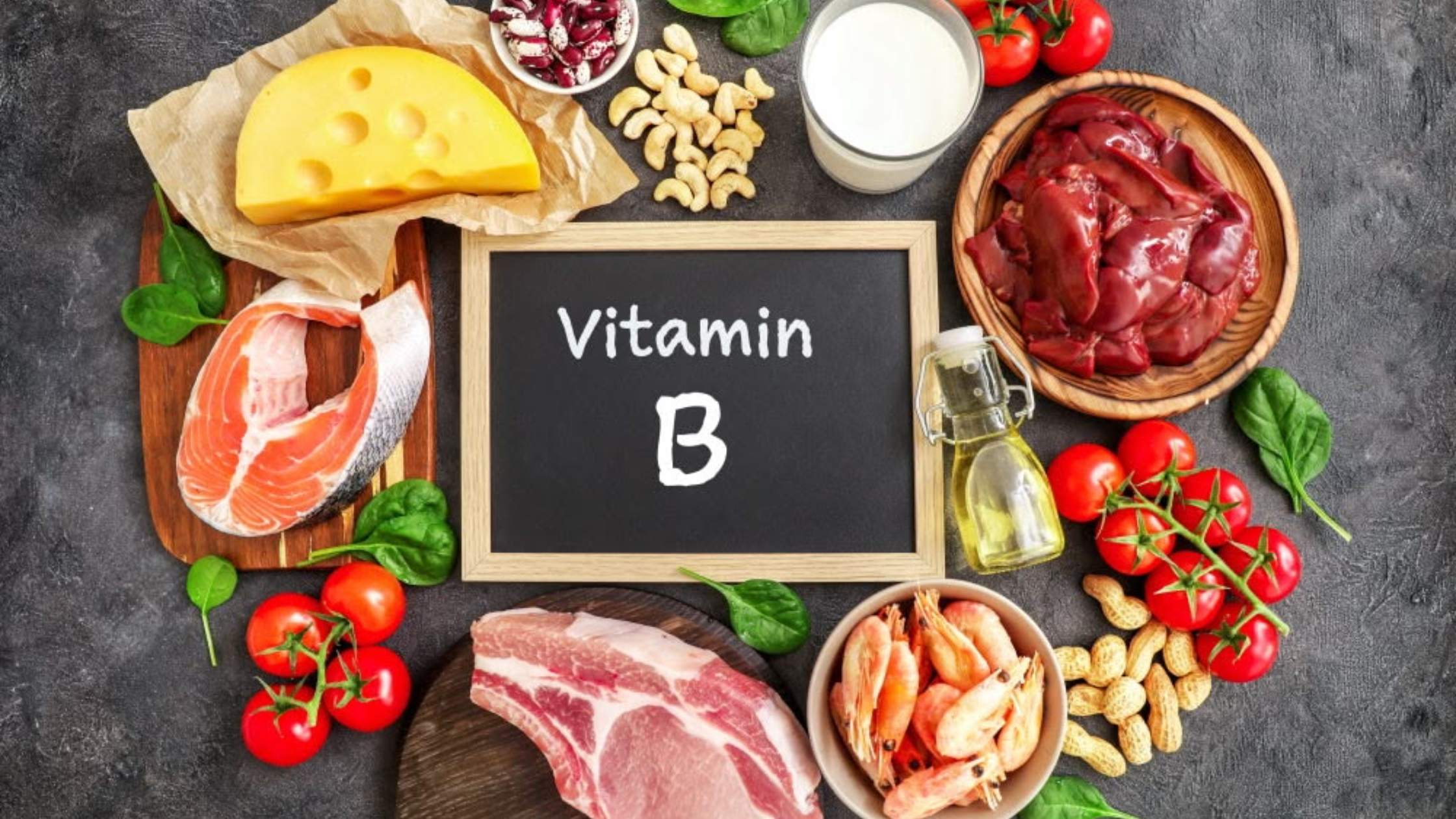
B vitamins are found in many foods of both animal and plant origin. To meet daily requirements, it is useful to follow a varied diet that includes different sources of protein, cereals, legumes, vegetables, nuts and other foods.
There is no single food that contains all B vitamins in the amounts required. Some foods are particularly rich in one or more vitamins, while others contribute to overall B vitamin intake. Food choices should therefore take into account dietary variety and individual needs.
Animal-based sources
Meat, fish, eggs, milk and dairy products are important sources of several B vitamins. In particular, animal-based foods provide vitamin B12, which occurs naturally mainly in these products.
The main dietary sources include:
- Meat and organ meats: liver and other organs can contain high amounts of several B vitamins, particularly B2, B3, B5, B6, B9 and B12. Beef, pork and poultry also contribute to the intake of some of these vitamins;
- Fish and seafood: salmon, tuna, sardines, trout, molluscs and crustaceans provide several B vitamins, including B3, B6 and B12;
- Eggs: contain vitamins such as B2, B5, B7 and B12, as well as other important nutrients;
- Milk and dairy products: milk, yoghurt and cheese mainly contribute to B2 and B12 intake, with amounts varying according to the product.
Organ meats, particularly liver, can contain high concentrations of certain vitamins, but eating them frequently or in large quantities is not necessary for a balanced diet.
Plant-based foods
Plant-based foods make a significant contribution to the intake of several B vitamins. Legumes, whole grains, nuts, seeds and leafy green vegetables are interesting sources, particularly of folate, thiamine, niacin and other vitamins in the complex.
Some of the main plant-based sources include:
- Legumes: lentils, chickpeas, beans and peas provide several B vitamins, particularly folate and thiamine;
- Whole grains: oats, brown rice, spelt and other grains can contribute to B1, B3 and B6 intake. Refined products may contain lower amounts unless they have been fortified;
- Leafy green vegetables: spinach, broccoli, asparagus and other vegetables are sources of folate, or vitamin B9;
- Nuts and seeds: almonds, walnuts, sunflower seeds and other seeds provide varying amounts of certain B vitamins;
- Mushrooms: some varieties contribute to riboflavin, niacin and pantothenic acid intake;
- Nutritional yeast: may contain several B vitamins, particularly when fortified. It is important to check the label to find out its actual composition.
Particular attention should be paid to vitamin B12: unfortified plant-based foods are not reliable sources of this vitamin. Some products, such as plant-based drinks, breakfast cereals and nutritional yeast, may be enriched with B12, but it is necessary to check whether the vitamin has actually been added and in what amount.
People following a vegan diet must carefully plan their vitamin B12 intake through fortified foods or specific supplements. Some vegetarians may also have difficulty reaching an adequate intake, depending on how much and how often they consume eggs and dairy products.
B vitamin supplements
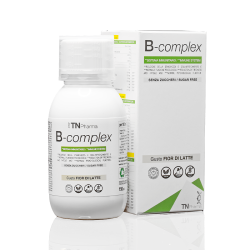
B vitamin supplements may contain a single vitamin or several components combined in a formulation known as a B complex. The choice depends on nutritional needs, usual dietary habits and the possible presence of deficiencies or conditions that may reduce nutrient absorption.
Supplementation may be considered when dietary intake is insufficient, when specific needs arise or when a healthcare professional identifies a deficiency or an increased risk.
How to choose the best supplement
There is no single B vitamin supplement that is best for everyone: the most suitable product depends on which vitamin needs to be supplemented, the amounts required and individual characteristics. Before purchasing, it is useful to check the full composition and compare the declared doses with reference values and any recommendations from a healthcare professional.
When choosing a supplement, it is advisable to check:
- Composition: check which vitamins are included and whether the product contains a complete B complex or only certain components.
- Dosages: check the amount of each vitamin per daily serving, avoiding formulations with very high amounts that are not justified by individual needs.
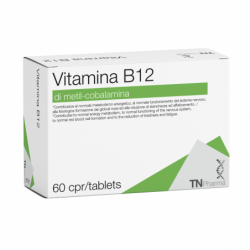
- Form used: some vitamins may be available in different forms, such as cyanocobalamin or methylcobalamin for B12. The choice should take individual circumstances into account and not be based solely on marketing claims.
- Quality and transparency: choose products with clear labels, declared ingredients and easy-to-understand directions for use.
- Specific needs: consider whether a single-vitamin supplement, such as B12 or folic acid, or a formulation containing several vitamins would be more appropriate.
Bioavailability may vary depending on the chemical form and the characteristics of the product, but it is not correct to automatically consider one form superior to all others. A supplement containing many vitamins is not necessarily more effective or more suitable than a targeted formulation.
When and how to take them throughout the day
When to take a B vitamin supplement depends on the formulation and the directions on the label. There is no universally best time: it is important to follow the recommended daily dose and the manufacturer's instructions.
For correct use, it is helpful to consider a few aspects:
- Follow the label: observe the dose and directions for use provided by the manufacturer;
- Consider meals: check whether the product should be taken with or away from food;
- Avoid overlapping intake: check whether other supplements or multivitamins already contain the same vitamins;
- Consider the duration: do not continue targeted supplementation without checking whether it is still necessary;
- Ask for advice: consult a doctor or pharmacist if you have medical conditions, take medication or have questions about dosages.
Some B vitamins, such as B6, B9 and B12, can be supplemented individually when a specific need exists. For example, folic acid is recommended for women planning a pregnancy and during the early stages of pregnancy, in accordance with healthcare guidance. Vitamin B12 requires particular attention in people following a vegan diet or those with absorption problems.
Side effects and overdose
B vitamins are water-soluble, but this does not mean that all of them are risk-free when taken in excessive amounts. Adverse effects depend on the vitamin involved, the amount taken, the duration of supplementation and individual characteristics.
Some aspects to consider include:
- Vitamin B6: excessive and prolonged intake, particularly through high-dose supplements, can cause peripheral neuropathy, with symptoms such as tingling, burning, numbness or changes in sensation in the hands and feet. EFSA has established a tolerable upper intake level of 12 mg per day for adults, taking total intake into account;
- Vitamin B3 or niacin: some forms, particularly nicotinic acid, can cause flushing, a sensation of heat and itching. High doses may also lead to more significant adverse effects, including liver problems;
- Vitamin B9 or folic acid: a high intake from supplements or fortified foods can make it more difficult to recognise certain blood-related signs of vitamin B12 deficiency, while neurological problems may continue to develop;
- Vitamin B12: no tolerable upper intake level has been established for the general population, but this does not mean that high doses need to be taken without a specific reason;
- Biotin or vitamin B7: high doses can interfere with certain laboratory tests, altering the results of specific tests, including those used to assess thyroid function and some cardiac markers.
To avoid excessive intake, it is important to check the composition of all products being used, including multivitamins, sports supplements and specific formulations for hair and nails.
People taking medication, living with medical conditions or undergoing blood tests should also inform their doctor about supplement use, particularly if the products contain high doses of biotin or vitamin B6.
Frequently asked questions
Which single food is richest in B vitamins?
There is no single food that is richest in all B vitamins, because each food has a different nutritional composition. Liver is particularly concentrated in several B vitamins, including B2, B5, B9 and B12, while legumes, whole grains and leafy green vegetables are important sources of other vitamins, particularly folate. To meet daily requirements, it is best to vary food sources.
Who is most likely to need B vitamin supplements?
Supplementation may be particularly important for people with a diagnosed deficiency, those following a diet that excludes certain food sources or those with conditions that impair absorption.
For example, vegans must plan their vitamin B12 intake through fortified foods or supplements. Some older adults, people who have undergone stomach or intestinal surgery and those with gastrointestinal conditions may also have a higher risk of B12 deficiency. The need to supplement other B vitamins depends on diet, individual circumstances and any medical advice.
Can B vitamins cause weight gain or stimulate appetite?
B vitamins do not provide significant calories and do not directly cause an increase in body weight. They are involved in nutrient metabolism, but this does not mean that they speed up metabolism enough to promote weight loss or cause weight gain.
In cases of deficiency, correcting intake may help restore normal body functions and, in some situations, improve appetite when it has been affected by the deficiency itself. However, it is not correct to consider B complex a dietary supplement that stimulates appetite or a product for changing body weight.
B vitamins are involved in essential processes for energy metabolism, the nervous system and blood cell formation. A varied diet generally provides many of these vitamins through animal-based and plant-based foods, while B12 requires particular attention in diets that exclude animal sources.