- Health and wellness
- 17 views
- Biotin: What It Is and Its Properties
- Vitamin B7: Functions and Role in the Body
- Biotin and Energy Metabolism
- Biotin and Physical Activity
- The Importance of Micronutrients in a Sports Routine
- Biotin and the Well-Being of Hair and Skin
- Biotin 90 Tbl: Directions for Use and Precautions
- Frequently Asked Questions
- Does Biotin Improve Sports Performance?
- Does Biotin Promote Muscle Growth?
- Can Biotin Help with Hair Loss?
- Can Biotin Be Taken Every Day?
Biotin: What It Is and Its Properties
Biotin is an essential micronutrient that the body uses as a cofactor for specific enzymes involved in important metabolic reactions. As it is water-soluble, it is not stored in large quantities and must be obtained regularly through food or supplementation.
Its main functions concern nutrient metabolism and the maintenance of certain normal physiological functions. An adequate intake contributes to the proper functioning of the body, while additional supplementation does not necessarily provide further benefits for people who already consume sufficient amounts of this vitamin.
Vitamin B7: Functions and Role in the Body
Vitamin B7 is involved in several enzymatic reactions that contribute to the processing of nutrients. Its recognised functions include contributing to normal energy-yielding metabolism, normal macronutrient metabolism, and the maintenance of normal hair and skin.
Biotin is found in various foods, including cooked eggs, nuts, legumes and some animal products. Following a varied diet helps provide the body with the micronutrients needed to support normal physiological functions.
Biotin and Energy Metabolism
Throughout the day and during physical activity, the body obtains energy through metabolic processes that involve carbohydrates, fats and, under certain conditions, proteins. Biotin participates in specific enzymatic reactions that enable these nutrients to be used in metabolic pathways.
Its contribution to normal energy-yielding metabolism is important for the body's functioning, but this does not mean that taking additional biotin automatically increases perceived energy levels or improves sports performance. Adequate calorie intake, a proper distribution of macronutrients and a balanced diet remain essential to support training.
Biotin and Physical Activity: What You Need to Know
People who practise fitness, bodybuilding or endurance sports often pay attention to their intake of vitamins and minerals, as well as proteins, carbohydrates and fats. Micronutrients contribute to the normal functioning of the body and should be considered as part of a comprehensive nutritional strategy.
Biotin is part of this picture because of its role in energy metabolism. However, it is not a specific supplement for increasing strength, improving endurance or accelerating muscle recovery. Its supplementation should be assessed according to individual needs, usual dietary intake and the directions provided on the product.
The Importance of Micronutrients in a Sports Routine
An effective training programme depends not only on the intensity of exercise but also on dietary quality and recovery. Vitamins and minerals participate in numerous physiological processes and help maintain the body's normal functions.
For those who train regularly, it is useful to vary food sources by including fruit, vegetables, legumes, grains and protein sources suited to individual needs. This helps support a varied intake of micronutrients, including biotin.
A supplement may be considered when the diet does not provide an adequate intake or when specific needs should be assessed with a professional. In the absence of deficiencies, however, there is no evidence that additional biotin directly improves training results.
Biotin and the Well-Being of Hair and Skin
In addition to its role in metabolism, biotin is known for its contribution to the maintenance of normal hair and skin. These functions also make it relevant to people who want to look after their everyday well-being without focusing exclusively on sports performance.
Biotin contributes to the maintenance of normal hair. However, it is important to distinguish this nutritional function from the ability to treat hair loss or stimulate hair growth: supplementation does not guarantee these results for everyone.
Hair loss can be associated with various factors, including genetic predisposition, hormonal changes, medical conditions and nutritional deficiencies. An insufficient intake of biotin may affect hair health, but taking additional amounts is not necessarily useful when requirements are already being met.
If hair loss is persistent or unusual, it is advisable to consult a doctor to identify possible causes. A considered approach starts with adequate nutrition and an assessment of actual individual needs.
Biotin also contributes to the maintenance of normal skin. Here too, its role should be understood in terms of normal physiological functions, rather than as a guarantee of specific cosmetic results.
Biotin 90 Tbl: Directions for Use and Precautions
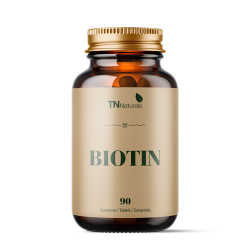
Tsunami Nutrition has developed Biotin 90 Tbl by TN Naturals, a biotin-based supplement designed to supplement the intake of this vitamin. It may be considered as part of a mindful nutritional routine, taking into account the product's characteristics and individual needs.
For people who practise sports, it is important to remember that a supplement does not replace a varied and balanced diet and is not specifically intended to improve strength, muscle growth or endurance.
To use Biotin 90 Tbl by Tsunami Nutrition correctly, follow the directions for use and warnings on the packaging. The supplement should be included as part of a varied and balanced diet and should not be considered a substitute for a complete diet.
In the event of pregnancy, breastfeeding, medication use or specific medical conditions, it is advisable to consult a healthcare professional before starting supplementation.
Frequently Asked Questions
Does Biotin Improve Sports Performance?
Biotin contributes to normal energy-yielding metabolism, but there is no evidence that additional supplementation directly improves strength, endurance or sports performance in people who already consume adequate amounts of the vitamin.
Does Biotin Promote Muscle Growth?
Biotin is involved in macronutrient metabolism, but it is not a specific supplement for increasing muscle mass. Adequate training, sufficient energy and protein intake, and appropriate recovery are essential for muscle development.
Can Biotin Help with Hair Loss?
Biotin contributes to the maintenance of normal hair. Supplementation may be useful when intake is insufficient, but it is not guaranteed to reduce hair loss when other causes are involved. If the problem persists, consulting a doctor is advisable.
Can Biotin Be Taken Every Day?
Biotin can be taken daily by following the product instructions and considering individual needs. For high-dose supplements, it is advisable to seek advice from a healthcare professional and be aware of possible interference with certain laboratory tests.
Biotin is a B vitamin that contributes to normal energy-yielding metabolism and the maintenance of normal hair and skin. For people who practise sports, it is one of the micronutrients to consider as part of a varied diet, without attributing direct effects on performance or muscle growth to it. Reliable information and consultation with a professional can help identify the supplement best suited to individual needs.