- Health and wellness
- 15 views

- What Is Casein
- Structure and Biological Characteristics
- Differences Between A1 and A2 Casein
- Dietary Sources of Casein
- Foods That Contain Casein
- Foods Free from Casein
- Health Effects and Contraindications
- Impact of Casein on the Gut
- Casein Allergy and Associated Symptoms
- Frequently Asked Questions
- Does Whey Contain Casein?
- What Is the Difference Between Casein and Lactose?
- Which Commercial Products Are Made from Casein?
- What Is the Difference Between Casein and Whey Protein?
What Is Casein
Casein is a family of proteins that accounts for approximately 80% of the protein in cow's milk. The remaining portion consists mainly of whey proteins.
From a nutritional perspective, casein is a high-biological-value protein: it contains all the essential amino acids, which the body cannot produce on its own in sufficient quantities and must obtain through food.
Its best-known characteristic is its relatively slow digestion. When exposed to the acidic environment of the stomach, casein tends to coagulate, forming a structure that is digested gradually. This process results in a more prolonged release of amino acids into the bloodstream than is generally observed with whey proteins.
This property is also relevant to people who exercise and want to distribute their protein intake throughout the day. Casein can be consumed through food or specific supplements, but the choice depends on individual protein requirements and the overall diet.
Structure and Biological Characteristics
Caseins are not a single protein but a group of different proteins: alpha-s1-casein, alpha-s2-casein, beta-casein and kappa-casein. In milk, these proteins are mainly organised into structures called casein micelles, which are also associated with minerals such as calcium and phosphate.
Micelles help keep caseins dispersed in milk. Under certain conditions, such as acidification or the action of enzymes used to make some cheeses, the structure of the micelles can change and the proteins can aggregate.
Casein provides amino acids needed to synthesise the body's proteins, including muscle proteins. Like all dietary proteins, it is digested and broken down into peptides and amino acids, which can be absorbed and used in numerous biological processes.
Compared with whey, casein generally has slower digestive kinetics. This characteristic is also related to its tendency to coagulate in the stomach, promoting a more gradual and prolonged availability of amino acids. For this reason, casein-based proteins are often considered in sports nutrition, including in relation to evening intake.
It is important to remember, however, that results depend primarily on meeting daily protein requirements and maintaining an overall balanced diet, rather than solely on the timing of intake.
Differences Between A1 and A2 Casein
When discussing A1 and A2 casein, the term mainly refers to two genetic variants of beta-casein, one of the proteins found in milk. The two variants differ in the sequence of amino acids that make up the protein.
Both A1 and A2 beta-casein are milk proteins. The distinction has attracted scientific interest, particularly because of possible differences in digestive processes and the production of certain peptides during digestion.
In particular, digestion of A1 beta-casein may promote the release of a peptide called beta-casomorphin-7 (BCM-7), whereas the A2 variant is less likely to release it.
Some human studies suggest that milk containing only A2 beta-casein may be better tolerated digestively by some people than conventional milk containing both A1 and A2. However, the evidence still has limitations and does not support attributing universal benefits to the A2 variant or considering it a solution for every type of intestinal discomfort.
It is essential to clarify that A2 milk still contains casein. It is therefore not suitable for people with a milk protein allergy unless a specialist recommends otherwise following an individual assessment. In addition, the A2 variant does not automatically eliminate lactose: people with lactose intolerance need to check the product's lactose content specifically.
Dietary Sources of Casein
Casein occurs naturally in the milk of many mammals and is therefore present in numerous dairy products. The amount can vary depending on the food, the production process and the concentration of protein.
For most people who do not have allergies or other conditions requiring specific dietary restrictions, foods containing casein can contribute to meeting daily protein requirements. However, food choices should also take into account other nutrients, such as fats, sugars, calcium and salt.
Foods That Contain Casein
The main dietary sources of casein are milk and dairy products. Foods that may contain it include:
- Cow's milk: contains casein and whey proteins, as well as lactose, fats and minerals in amounts that vary depending on the product;
- Goat's and sheep's milk: contain proteins from the casein family, with a composition that may differ from cow's milk;
- Yogurt: contains milk proteins, including casein, even after fermentation;
- Fresh and aged cheeses: are sources of milk protein and often have a higher protein concentration than the original milk, depending on the production process and water content;
- Ricotta and other dairy products: their casein content depends on the production method and the raw materials used;
- Some desserts and processed foods: puddings, creams, ice cream, milk-based preparations and other packaged foods may contain casein or milk protein derivatives;
- Casein-based protein supplements: these are milk-derived powder formulations used to supplement protein intake.
It is important not to confuse casein content with lactose content: they are different components of milk, and their amounts are not necessarily related. For example, aged cheese may contain very little lactose while still retaining milk proteins, including casein.
Foods Free from Casein
Casein is a protein specific to mammalian milk and is not naturally present in plant foods that are free from dairy ingredients. Anyone wishing to exclude casein can therefore choose plant-based protein sources, while checking the composition of processed foods.
The main plant-based protein sources include:
- Legumes: lentils, chickpeas, beans, peas and lupins;
- Soy and soy products: tofu, tempeh, edamame and soy-based drinks;
- Cereals and pseudocereals: oats, quinoa, buckwheat and other grains, which contribute to overall protein intake;
- Nuts and seeds: almonds, peanuts, pumpkin seeds, hemp seeds and chia seeds;
- Plant-based protein powders: products made, for example, from soy, pea, rice or blends of different plant sources.
A well-planned plant-based diet can provide adequate amounts of protein and essential amino acids. Overall protein quality depends on the variety of sources, the quantities consumed and the balance of the diet throughout the day.
People following a vegan diet or wishing to avoid dairy products can explore the Tsunami Nutrition category dedicated to plant-based and vegan proteins, which includes plant-derived alternatives. Anyone who needs to avoid casein because of an allergy should also pay attention to possible cross-contamination and the information on product packaging.
Health Effects and Contraindications
Casein is a source of protein that can contribute to the normal intake of amino acids through food. For people who tolerate it, consuming it in amounts consistent with a balanced diet generally does not pose a problem.
Potential concerns mainly depend on the presence of a milk protein allergy or individual needs that require specific assessment.
It is useful to distinguish between three different issues:
- Slow digestion: casein tends to be digested more slowly than whey, but this does not automatically mean it is harmful or difficult for everyone to tolerate;
- Lactose intolerance: this concerns the digestion of milk sugar and is not a casein allergy;
- Milk protein allergy: this is an immune system reaction to one or more milk proteins, including casein, and may require avoiding foods that contain them.
People who experience symptoms after consuming milk or dairy products should not independently eliminate or reintroduce entire food groups based on assumptions. It is preferable to consult a doctor to identify the cause of the symptoms and receive appropriate guidance.
Impact of Casein on the Gut
One of the main characteristics of casein is its relatively slow digestion. It tends to coagulate in the stomach, promoting a gradual release of amino acids. This differs from whey proteins, which are generally digested and absorbed more quickly.
Slow digestion is not, in itself, an indication of a negative effect on the gut. Tolerance depends on several factors, including the amount consumed, the composition of the food, individual characteristics and the possible presence of conditions affecting digestion or the immune response.
It is also important to distinguish the effects of milk proteins from those of lactose. Bloating, gas and changes in bowel habits may occur with lactose intolerance because the sugar is not fully digested. In other cases, symptoms may be related to individual sensitivities, allergies or gastrointestinal conditions that require further assessment.
For people who exercise, casein can be a useful protein source for distributing amino acid intake over time. Some people choose to consume it before bed because of its prolonged digestion, but it is not accurate to automatically attribute a protective effect on the gut or better tolerance than other proteins to casein.
If symptoms repeatedly occur after taking casein-based products, it is advisable to discuss the situation with a healthcare professional before continuing to use the supplement or significantly changing the diet.
Casein Allergy and Associated Symptoms
Casein allergy is a form of milk protein allergy. The immune system recognises one or more proteins as potentially harmful and triggers a response that can cause symptoms of varying severity. Casein is one of the main proteins involved in allergic reactions to cow's milk.
Symptoms may appear shortly after consuming the food or, in some forms of allergy, after a longer interval.
Possible symptoms include:
- Skin symptoms: hives, itching, redness or swelling;
- Gastrointestinal symptoms: nausea, vomiting, abdominal pain or diarrhoea;
- Respiratory symptoms: coughing, wheezing or difficulty breathing;
- Systemic reactions: in more severe cases, anaphylaxis may occur, a reaction that can be life-threatening.
Not everyone experiences the same symptoms, and their severity cannot be predicted solely from the amount consumed. If breathing difficulties, sudden swelling of the tongue or throat, fainting or other signs of a potentially severe allergic reaction occur, seek emergency medical assistance immediately.
Anyone with a confirmed milk protein allergy should follow a specialist's advice and avoid foods containing the proteins responsible for the reaction. Lactose-free products are not automatically suitable for people allergic to casein, because they may still contain milk proteins even when lactose has been removed or reduced.
Milk protein allergy is different from lactose intolerance. Lactose intolerance is related to difficulty digesting milk sugar and does not directly involve an allergic immune response. This distinction is important because the dietary strategies differ and should be based on the actual condition.
Frequently Asked Questions
Does Whey Contain Casein?
Yes. Casein tends to coagulate and remain in the solid fraction, while whey proteins mainly remain in the liquid portion.
In industrial processes, protein fractions can be separated and further filtered to obtain ingredients for food or supplements. The degree of separation depends on the production process and final formulation.
What Is the Difference Between Casein and Lactose?
The fundamental difference is that casein is a protein, whereas lactose is a sugar. Both occur naturally in milk, but they are digested through different mechanisms.
Casein is broken down during digestion into peptides and amino acids, which the body can use in numerous biological processes. Lactose, on the other hand, is a disaccharide made up of glucose and galactose and is normally digested by the enzyme lactase in the small intestine.
Consequently, a lactose-free food may still contain casein and other milk proteins. Conversely, a casein-free product does not necessarily contain lactose: the presence of these two components must be assessed separately.
People with allergies may consider lactose-free protein powders. It is important to remember that a lactose-free product is not automatically safe for someone with a milk protein allergy.
Which Commercial Products Are Made from Casein?
In the food industry, casein is used in the production of some cheeses and protein ingredients, as well as in specific food formulations. Casein derivatives may also be used in non-food applications, for example in the manufacture of certain adhesives, coatings and materials.
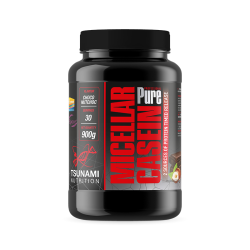
In sports nutrition, casein is used to produce powdered protein supplements. One of the best-known formulations is micellar casein, which is produced while preserving the protein's micellar structure. Because it is digested relatively slowly, it is often chosen by people who want to distribute their protein intake gradually throughout the day.
What Is the Difference Between Casein and Whey Protein?
Casein and whey are both high-biological-value milk proteins, but they differ in structure, digestive properties and the speed at which amino acids become available after consumption.
Casein tends to coagulate in the stomach and is digested more slowly, promoting a gradual release of amino acids. Whey proteins, on the other hand, are generally digested and absorbed more quickly and may lead to a faster increase in amino acid availability in the bloodstream. The choice depends on daily protein requirements, meal timing, personal preferences and individual tolerance.
Whey is often used after training because it is digested quickly and contains essential amino acids. Casein, on the other hand, is sometimes chosen before bed or at times when a slower-digesting protein source is preferred.
Casein is one of the main proteins in milk and provides essential amino acids as part of both everyday nutrition and sports nutrition. Its relatively slow digestion distinguishes it from whey proteins and explains its use in some supplements designed for gradual release.