- Health and wellness
- 35 views

- What Is Casein
- Characteristics and Functions of the Protein
- Slow-Release Properties
- Where Casein Is Found
- Food Sources and Dairy Products
- Casein Content in Different Cheeses
- Foods and Cheeses Without Casein
- Cheeses Free of Casein
- Plant-Based Alternatives to Milk
- Side Effects of Casein
- Milk Protein Allergy
- Symptoms and Intestinal Disorders
- Frequently Asked Questions
- What Is the Difference Between Casein and Lactose?
- Can People With Lactose Intolerance Consume Casein?
- When Is the Best Time to Take Casein for Sports?
- How Can Casein Sensitivity Be Recognized?
What Is Casein
Casein is a family of proteins found in the milk of mammals. In cow's milk, it accounts for approximately 80% of total protein, while the remaining proportion consists mainly of whey proteins. It is therefore an important component of dairy products and contributes to the nutritional and technological characteristics of various dairy foods.
Characteristics and Functions of the Protein
Casein provides amino acids needed for protein synthesis in the body. Like other dietary proteins, it is digested and broken down into peptides and amino acids, which can be absorbed and used for numerous physiological functions, including tissue maintenance and renewal.
Casein is also distinguished by its structure: in milk, it is organized mainly into aggregates called micelles, which help keep it dispersed in the liquid. This characteristic is important in the production of cheese and other dairy products because the coagulation of casein contributes to curd formation.
Protein requirements can be met through a variety of animal or plant-based food sources, chosen according to individual needs and the overall balance of the diet.
Slow-Release Properties
One of the best-known characteristics of casein is its relatively slow digestion compared with whey proteins. In an acidic environment, such as the stomach, casein micelles can aggregate and form a clot-like structure. This process helps slow gastric emptying and prolongs the availability of amino acids over time.
For this reason, micellar casein is often used in protein supplements intended for people who want to distribute their protein intake throughout the day. However, prolonged release does not mean that casein is always superior to other protein sources: the choice depends on individual requirements, overall dietary intake, and personal goals.
Where Casein Is Found
Casein occurs naturally in milk and products made from it. It is found mainly in cow's milk, but also in goat's milk, sheep's milk, and the milk of other mammals. As a result, many dairy foods contain casein, even when their taste, texture, or production process differs considerably from that of the original milk.
Food Sources and Dairy Products
The main dietary sources of casein include:
- Milk: cow's milk and the milk of other mammals naturally contain casein;
- Yogurt: fermentation changes some characteristics of milk but does not eliminate casein proteins;
- Cheese: fresh, aged, and pasta filata cheeses generally contain casein because this protein contributes to curd formation;
- Ricotta and other dairy products: protein content depends on the production process. Traditional ricotta, made mainly from whey proteins, may contain varying amounts of residual casein depending on the processing method and raw ingredients;
- Processed foods: some packaged products may contain casein or milk derivatives as ingredients, even when they are not immediately recognizable as dairy products.
The actual amount varies according to the type of food, processing method, and portion consumed. Anyone who needs to avoid casein for medical reasons should carefully read the ingredient list and allergen information rather than relying solely on the food's name or appearance.
Casein Content in Different Cheeses
Cheeses are generally concentrated sources of casein, but the amount varies between varieties. It depends on factors such as water content, type of milk, production method, and aging time. Drier, more concentrated cheeses may provide more protein per 100 g than fresh cheeses with a high water content.
During cheese production, caseins coagulate and are retained in the curd. Aging gradually changes the structure of the proteins and the characteristics of the product, but it does not make cheese casein-free. Aged cheeses such as Parmigiano, pecorino, and Grana also contain casein proteins.
It is important not to confuse the presence of casein with the presence of lactose. Some aged cheeses may contain very little lactose, but they still contain casein. Therefore, for people with a milk protein allergy, aging does not automatically make a cheese safe.
Foods and Cheeses Without Casein
People who need to exclude casein from their diet can choose foods that do not come from animal milk, while still checking the composition of packaged products. It is important to distinguish this requirement from the need to reduce lactose: these are different components, and alternatives suitable for one condition are not necessarily suitable for the other.
Cheeses Free of Casein
Traditional cheeses made from cow's, goat's, or sheep's milk contain casein. Therefore, no conventional dairy cheese can be considered naturally free of this protein simply because it is fresh, aged, or low in lactose.
Suitable alternatives for people who need to avoid milk proteins may include plant-based cheese-style products made with ingredients such as vegetable oils, starches, nuts, or plant proteins. Their composition varies considerably: they do not all provide the same amount of protein and are not all nutritionally equivalent to traditional cheeses.
Plant-Based Alternatives to Milk
Plant-based drinks made from soy, oats, rice, almonds, or other ingredients can replace milk in some preparations and do not naturally contain casein when made exclusively from plant-based ingredients. However, the ingredient list should still be checked, particularly in the case of allergies, because formulations may vary.
From a nutritional perspective, plant-based drinks are not all equivalent to milk. Soy-based drinks, for example, may provide a different amount of protein compared with rice or almond drinks. Sugar, fat, calcium, and vitamin content also depend on the formulation and whether the product is fortified.
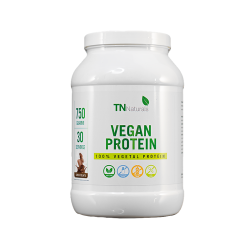
People who want to increase their protein intake through non-animal sources can consume vegan plant-based proteins. Choosing a specific product should take into account its ingredients, nutritional values, and individual needs. In the case of allergies, it is also advisable to check for other potential allergens, such as soy.
Side Effects of Casein
Casein is a dietary protein naturally found in dairy products and does not necessarily cause problems in people who tolerate it. However, in some people, consuming foods containing milk proteins may be associated with adverse reactions, particularly in the presence of an allergy. Other gastrointestinal symptoms may have different causes and are not, on their own, enough to establish casein sensitivity.
Milk Protein Allergy
Milk protein allergy is an immune system reaction to one or more proteins found in milk, including casein and whey proteins. It may cause skin, gastrointestinal, or respiratory symptoms and, in more severe cases, a potentially dangerous systemic reaction.
Symptoms may appear soon after consumption, but in some forms they can develop later. Possible symptoms include hives, itching, swelling, vomiting, abdominal pain, and breathing difficulties. The severity and type of reaction vary from person to person.
It is not advisable to test tolerance independently by reintroducing milk, cheese, or supplements containing casein. If breathing difficulties, swelling of the tongue or throat, faintness, or other signs of a severe reaction occur after consumption, seek emergency medical assistance immediately.
Symptoms and Intestinal Disorders
Some people report bloating, abdominal pain, nausea, diarrhea, or other gastrointestinal symptoms after consuming milk and dairy products. However, these symptoms do not necessarily indicate a problem related to casein. They may be caused, for example, by lactose intolerance, other digestive conditions, or factors unrelated to dairy products.
Lactose intolerance is caused by difficulty properly digesting this sugar, whereas milk protein allergy involves the immune system. These conditions have different mechanisms and require different approaches. Furthermore, developing symptoms after eating a food is not enough to diagnose an intolerance or specific casein sensitivity.
If symptoms recur, persist, or are severe, it is advisable to discuss them with a doctor before eliminating entire food groups. A professional assessment can help identify the cause and avoid unnecessary dietary restrictions. In particular, prolonged elimination diets without appropriate guidance are not recommended, as they may reduce the intake of certain nutrients.
Frequently Asked Questions
What Is the Difference Between Casein and Lactose?
Casein is a protein, whereas lactose is a sugar made up of glucose and galactose. Casein and lactose are two different components of milk. The former provides amino acids to the body after digestion, while the latter is normally broken down in the intestine by the enzyme lactase.
This distinction is important because milk protein allergy and lactose intolerance are not the same condition. A person with lactose intolerance may have difficulty digesting this sugar, but that does not mean they are allergic to casein. Conversely, a person with a milk protein allergy may react even to products with a very low lactose content if they contain the proteins responsible for the allergy.
Can People With Lactose Intolerance Consume Casein?
Lactose intolerance does not prevent someone from consuming casein, because the two substances are different. However, tolerance depends on the product: a food or supplement containing casein may also contain lactose, depending on its ingredients and production process.
For this reason, people with lactose intolerance should check the label and choose products compatible with their level of tolerance. However, a lactose-free product should not be confused with one that is free of milk proteins: in the case of an allergy to casein or other milk proteins, a lactose-free product may still be unsuitable.
When Is the Best Time to Take Casein for Sports?
Casein can be consumed at different times of the day, depending on overall protein intake, meal scheduling, and individual needs. Its relatively slow digestion is one reason why it is often chosen before nighttime rest.
Consuming a protein source in the evening can be a practical strategy for distributing protein intake throughout the day, especially when it is difficult to meet requirements through meals alone. However, taking casein before bed is not mandatory for achieving sports results: the most important factors are total protein intake, diet quality, and training consistency.
How Can Casein Sensitivity Be Recognized?
There is no single symptom that can reliably identify casein sensitivity. Symptoms such as bloating, abdominal pain, nausea, or changes in bowel habits are nonspecific and may be associated with many conditions. Developing symptoms after consuming dairy products is not, on its own, enough to identify the cause.
It is important to distinguish a possible milk protein allergy from lactose intolerance and other digestive problems. If an allergy is suspected, consult a doctor or specialist and avoid self-testing or unsupervised reintroduction. If symptoms persist, a clinical assessment can help determine whether specific investigations are needed.
Casein is one of the main proteins in milk and is found in many dairy products, including fresh and aged cheeses. Its relatively slow digestion makes it a potential protein option in sports nutrition, but it is not essential for everyone and can be replaced with other protein sources according to individual needs. Anyone who needs to avoid it should pay attention to the ingredients in packaged products and distinguish milk protein allergy from lactose intolerance.