- Health and wellness
- 48705 views

What are memory supplements?
What are memory supplements? Memory supplements are natural or synthetic products formulated to support cognitive functions, particularly attention, concentration and memory. Often based on vitamins and minerals and active ingredients such as ginkgo biloba, phosphatidylserine or omega-3, these supplements are used to improve short- and long-term memory. They are particularly popular with students, professionals and people over 50 who wish to combat the early signs of cognitive decline.
Supplements for memory and concentration work by promoting oxygenation of the brain and the proper functioning of neurotransmitters. When combined with a healthy lifestyle, they can effectively help to improve mental performance. It is important to emphasise that these are not miracle cures, but rather supplements to a balanced diet and good daily habits.
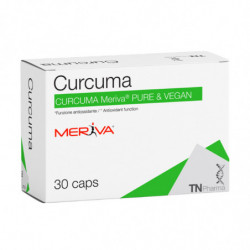
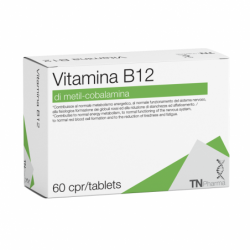
Among the most commonly used natural ingredients are ginseng, recognised for its tonic and adaptogenic properties; bacopa monnieri, which is effective for memory and learning; and vitamin B12, which is essential for the health of the nervous system. Nutraceutical compounds such asacetyl-L-carnitine and curcumin are also attracting growing interest for their potential cognitive benefits.
On the market today, there are various formulations, ranging from the most natural to those that have been rigorously scientifically validated. But which are the best memory supplements? In the following sections, we will analyse the main ingredients, their proven effectiveness and guidelines for correct and beneficial use.
How memory supplements work
Dietary supplements for memory work primarily by influencing brain function and improving communication between nerve cells. Many of them contain natural substances that stimulate blood flow to the brain, thereby increasing the supply of oxygen and nutrients essential for the proper functioning of cognitive functions. Ginkgo biloba, known for its vasodilatory properties, improves short-term memory and concentration.
Other supplements, such as those containing omega-3 fatty acids, provide essential lipids for the membranes of nerve cells, thereby promoting synaptic plasticity – that is, the brain’s ability to adapt and form new connections. Furthermore, B vitamins, such as B12 andfolic acid, are essential for maintaining the health of neurons and preventing damage to the nervous system. These nutrients promote the production of neurotransmitters, molecules that are essential for the transmission of nerve signals.
Finally, some dietary supplements contain antioxidants, which help to reduce oxidative stress, one of the main causes of cognitive decline with age. In summary, the mechanisms of action of memory supplements are based on a combinationof improved cerebral blood flow, cellular nutrition and protection against neuronal damage.
The scientific efficacy of memory supplements
The scientific efficacy of memory supplements is a much-debated topic in the world of nutraceuticalsand cognitive health. In recent years, numerous studies have sought to assess whether certain supplements can actually improve mental functions, particularly memory, concentration and attention. Certain natural ingredients, such as ginkgo biloba, bacopa monnieri, omega-3s and phosphatidylserine, have shown promising results in specific clinical contexts, particularly among older people or those with mild cognitive impairment.
However, the effectiveness of memory supplements is neither consistent nor guaranteed for everyone: it depends largely on the quality of the product, the dosage, how regularly it is taken, and the individual’s state of health. From a scientific perspective, some studies have confirmed short-term positive effects on episodic memory and processing ability, whilst others have failed to demonstrate significant benefits compared with a placebo.
Among the most widely studied compounds are vitamin B6, vitamin B12,folic acidand acetyl-L-carnitine, all of which play a role in neuronal metabolism and the prevention of cognitive decline. Scientific studies suggest that supplementation may be useful as an adjunct, but it is no substitute for a balanced diet and a healthy lifestyle.
It is therefore essential to choose dietary supplements backed by documented clinical evidence, produced by reputable brands and, ideally, recommended by a healthcare professional.
For many years, research has been conducted into the effectiveness of various dietary supplements in improving cognitive function, particularly memory. Here is a summary of the main properties and benefits of some of the most widely studied substances:
- Bacopa monnieri: this is a plant used in Ayurvedic medicine to improve memory and cognitive function. Clinical studies have shown that taking Bacopa monnieri can improve working memory, attention and other cognitive abilities. Taking Bacopa monnieri for 12 weeks can improve working memory and processing speed in healthy adults. Furthermore, Bacopa may be useful for improving mental performance and processing speed.
- Phosphatidylserine (PS): this is a phospholipid found in brain cells, particularly in the membranes of neurons. It helps to improve communication between nerve cells, thereby supporting memory and cognitive function. Studies have shown that taking PS can improve short-term memory and promote better concentration, particularly as we age. Furthermore, PS helps to reduce stress and improve mood, as it regulates levels of cortisol, the stress hormone.
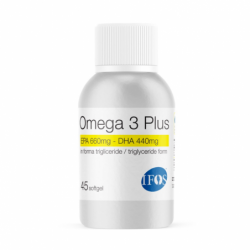
- Omega-3 fatty acids (EPA and DHA): EPA and DHA, in particular, are essential components of the brain’s cell membranes. Studies have shown that omega-3 supplementation can improve short-term memory and protect the brain against age-related cognitive decline. Omega-3 supplementation, particularly with DHA, is associated with improved working memory and executive functions in healthy adults.
- Ginkgo biloba: this is one of the most effective plants for improving memory. It promotes blood flow to the brain, ensuring an increased supply of oxygen and nutrients to the brain. Ginkgo biloba may improve memory and mental processing speed, particularly in older people with mild cognitive impairment.
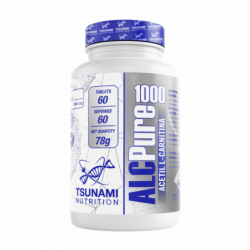
- Acetyl-L-carnitine: this is a compound that plays an important role in the energy metabolism of brain cells; acetyl-L-carnitine supplementation may improve cognitive function, particularly memory, in people experiencing mild cognitive decline.
Dietary supplements for memory, if chosen carefully and supported by scientific evidence, can be a valuable aid in improving cognitive function. It is essential to consult a healthcare professional before starting any supplementation, in order to assess individual needs and possible interactions with other medicines or health conditions.
The difference between dietary supplements and medicines for memory
Dietary supplements for memory are natural products containing vitamins, minerals or plant extracts, used to support cognitive function as a preventative measure or to improve mild memory problems. They are not available on prescription and generally have milder effects. In contrast, memory-enhancing medicines are pharmacological treatments prescribed by a doctor to treat more severe cognitive disorders, such as Alzheimer’s disease or other forms of dementia. They are more potent but may cause side effects.
When to consider taking dietary supplements for memory
Dietary supplements for memory can be a valuable aid when you notice difficulties concentrating or remembering important information. Stress, ageing and hectic lifestyles can have a negative impact on cognitive function. If you’re finding it hard to remember things, feel distracted or struggle to stay focused, specific dietary supplements for memory can help improve your mental performance and support your brain health. It’s always advisable to consult a doctor before starting to take any dietary supplements.
For students: a study aid
Students, particularly during exam periods, can benefit greatly from dietary supplements for memory. These products help improve concentration and promote mental clarity, thereby supporting long-term academic performance. Dietary supplements such as ginkgo biloba or vitamin B12 are known for their positive effect on cognitive function, as they help improve memory and reduce mental fatigue. Remember that a good night’s sleep and a balanced diet are essential, but dietary supplements can provide that little bit extra.
For the over-50s and older adults: memory support
As we age, it is natural to experience a slight decline in memory. Specific dietary supplements for memory designed for the over-50s can help counteract this process by promoting brain health. Ingredients such as omega-3, turmeric and ginseng are known to improve cognitive function and help protect brain cells. A good dietary supplement, combined with a healthy lifestyle, can help keep your mind active and alert, even as you get older.
For concentration and memory lapses
Times when concentration wanes or ‘memory lapses’ become frequent can be frustrating. Dietary supplements for concentration are formulated to promote a clearer, more focused mind. Products containing nootropics, such as ginkgo biloba, phosphatidylserine or L-theanine, are very useful for improving concentration, reducing anxiety and increasing mental clarity. If you tend to lose your train of thought or forget important details, dietary supplements could be the solution to help you regain control.
Key ingredients in dietary supplements for memory
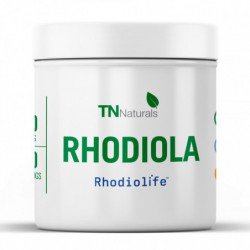
Memory supplements contain various natural ingredients, including vitamins, minerals and plant extracts. Among the most common are ginkgo biloba, known to improve blood flow to the brain, and omega-3s, which support neuronal health. Other ingredients include phosphatidylserine, which helps maintain cognitive function, and rhodiola, which helps combat stress and improve concentration. Each ingredient contributes in a specific way to strengthening memory and mental clarity.
How to choose the right dietary supplement for memory
Choosing the right dietary supplement for memory requires a careful assessment of your specific needs. Firstly, it is essential to understand the goals you wish to achieve: improving concentration, boosting short-term memory or combating age-related cognitive decline. Each goal may require a different type of support.
Another important factor is the quality of the product. It is essential to read the label carefully to check the origin, purity and concentration of the ingredients. It is always best to opt for dietary supplements from reputable brands that provide quality certifications and purity testing.
Furthermore, before starting to take a dietary supplement, it is advisable to consult a doctor or specialist, particularly if you have any pre-existing medical conditions or are taking other medicines. Choosing the right dietary supplement for memory is a process that must be tailored to your cognitive needs and your general state of health.
Factors to consider and medical advice
When choosing a dietary supplement for memory, it is essential to take several factors into account. Firstly, it is important to assess your general state of health and your specific cognitive needs. For example, if you are looking for help to improve your concentration or to combat natural age-related memory decline, your choices may vary.
Your lifestyle also plays an important role: if you are under a great deal of stress, experience periods of intense mental activity, or lead a sedentary lifestyle, your needs may differ from those of someone who leads a more balanced life.
It is equally important to consult a doctor or healthcare professional. Before starting any form of treatment, particularly if you have pre-existing medical conditions or are taking medication, it is essential to seek expert advice. A doctor can help you choose the most suitable supplement, avoiding any potential adverse interactions with other treatments and ensuring it is safe to take. A medical consultation also helps to ensure that the chosen supplement is genuinely beneficial and necessary, based on your individual needs.
Precautions and side effects
Dietary supplements for memory, although generally safe, can have side effects, particularly if taken in high doses or in combination with other medicines. Some may cause gastrointestinal problems, headaches or allergic reactions. It is important always to follow the recommended doses and to consult a doctor before starting to take these supplements, particularly if you are pregnant, breastfeeding or have any pre-existing medical conditions.
Frequently Asked Questions
How do dietary supplements for memory actually work?
Dietary supplements for memory work by improving blood flow to the brain, promoting cellular nutrition and protecting neurons from oxidative damage. Some stimulate the production of neurotransmitters, whilst others promote synaptic plasticity, thereby facilitating learning and memory.
Are there any risks associated with taking memory supplements?
Yes, the use of dietary supplements for memory can carry risks if taken in excess or if they interact with other medicines. It is important to consult a doctor before starting to take them, particularly if you have a pre-existing condition or are pregnant, in order to avoid any unwanted side effects.
What is the recommended duration for taking dietary supplements?
The duration of use varies depending on the type of dietary supplement and individual needs. In general, it is recommended to follow the course of treatment for a period of 4 to 8 weeks, with possible breaks between cycles. It is always best to follow the manufacturer’s or doctor’s instructions.
Are dietary supplements for memory the only solution?
No, dietary supplements are not the only solution. To achieve the best results, it is helpful to combine them with a healthy lifestyle: a balanced diet, regular physical activity, good-quality sleep and mental training techniques, such as reading or memory games, are essential.
What else can be done to combat memory lapses apart from taking dietary supplements?
As well as taking dietary supplements, to combat memory lapses it is helpful to adopt healthy habits such as sleeping for at least 7 to 8 hours a night, keeping the brain active through cognitive activities, reducing stress and taking exercise to improve blood flow to the brain.