- Health and wellness
- 1 views

- What vitamin is folic acid?
- What is folic acid used for?
- Foods rich in vitamin B9
- Frequently asked questions
What vitamin is folic acid?
Folic acid is the synthetic form of vitamin B9, a water-soluble vitamin that the body cannot produce on its own in sufficient quantities and must therefore obtain through food or, when necessary, supplements.
Vitamin B9 belongs to the B vitamin group and includes several molecules, collectively known as folates. These compounds take part in essential metabolic reactions, particularly those involved in producing genetic material and renewing cells.
Folic acid is mainly used in supplements and fortified foods, whereas foods naturally contain primarily folate forms. After ingestion, both types are metabolised by the body and converted into compounds that can be used in various biological processes.
Difference between folates and folic acid
The terms folates and folic acid are often used interchangeably, but from a nutritional and chemical perspective they refer to different forms of vitamin B9.
- Folates: these are the natural forms of vitamin B9 found in foods, especially green leafy vegetables, legumes and certain fruits. They are generally more sensitive to heat, light and storage conditions;
- Folic acid: this is a synthetic, more stable form used in food supplements and fortified foods. Before being used in metabolic processes, it must be converted into other active forms;
- 5-MTHF: this is 5-methyltetrahydrofolate, one of the main biologically active forms of folate found in the body and blood. It is also available in some supplement formulations.
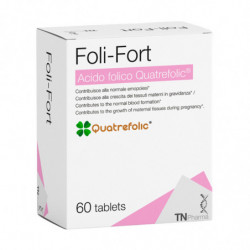
One of the raw materials used in supplements is also Quaterfolic, a patented form of glucosamine salt of 5-MTHF. It is a source of folate already in its methylated form and is used in certain formulations to provide vitamin B9. However, the choice between different forms depends on the product's composition and individual needs: it is not correct to automatically consider one formulation superior to all others in every situation.
Folic acid and folinic acid
Folic acid and folinic acid are not the same molecule, although both belong to the folate family and are involved in vitamin B9 metabolism.
Folinic acid, also known as 5-formyltetrahydrofolate or leucovorin, is a reduced and metabolically active form of vitamin B9. Unlike folic acid, it does not need to undergo the initial reduction step catalysed by the dihydrofolate reductase enzyme to enter folate metabolism. For this reason, it is also used in specific pharmacological applications, for example in certain protocols involving methotrexate.
Folic acid, on the other hand, is the synthetic form that must be converted by the body before participating in metabolic reactions. The two substances are therefore not freely interchangeable: folinic acid is used in clinical settings for specific indications and is not simply an alternative version of folic acid to be taken independently.
What is folic acid used for?
Vitamin B9 is involved in numerous physiological processes, particularly those relating to cell growth, renewal and function. Its role is especially important in tissues characterised by rapid cell proliferation, such as blood cells and the embryo during the early stages of development.
Adequate folate intake contributes to normal blood formation and the proper metabolism of homocysteine, an amino acid found in the body. Vitamin B9 also participates in the synthesis of nucleic acids, the molecules containing the genetic information required for cell growth and function.
Main functions in adults
In adults, folic acid and other forms of vitamin B9 contribute to several biological functions:
- DNA and RNA synthesis: folates participate in the production of nucleic acids, which are essential for storing and transmitting genetic information;
- Cell division: they are necessary for the formation of new cells and normal tissue renewal;
- Red blood cell formation: they contribute to normal haematopoiesis, the process through which blood cells are produced. A significant deficiency may contribute to the development of megaloblastic anaemia;
- Homocysteine metabolism: they participate in the reactions that convert this amino acid into other substances, together with other nutrients such as vitamin B12;
- Psychological function: folates contribute to normal psychological function, according to recognised nutritional claims.
Vitamin B9 is also particularly important during pregnancy. Adequate intake before conception and during the first weeks of pregnancy helps reduce the risk of neural tube defects, congenital abnormalities affecting the baby's brain and spinal cord. For this reason, folic acid supplementation is recommended for women planning a pregnancy, in accordance with medical advice and health authority guidelines.
Foods rich in vitamin B9
Vitamin B9 is found in many plant-based and animal-based foods. The most valuable sources are primarily green leafy vegetables, legumes and certain vegetables, but fruit, nuts, eggs and liver also contribute to daily intake.
Foods containing significant amounts of folates include:
- Green leafy vegetables: spinach, lettuce, Swiss chard, chicory and cabbage are important sources of natural folates;
- Legumes: lentils, chickpeas, beans and peas contribute to vitamin B9 intake and also provide fibre and plant-based protein;
- Asparagus and broccoli: these vegetables contain folates and can easily be included in a varied diet;
- Fruit: oranges, avocados and other fruits contribute to vitamin B9 intake, although the content may vary depending on the variety and serving size;
- Nuts and seeds: walnuts, peanuts and seeds can provide additional amounts of folates;
- Animal-based foods: liver, eggs and certain dairy products contain varying amounts of vitamin B9.
It is important to remember that natural folates are sensitive to heat and can be lost in cooking water. To preserve more of them, it is useful to choose short cooking methods, such as steaming, or eat some vegetables raw whenever possible and appropriate for the food in question.
For adults, the recommended intake level according to the Italian LARN guidelines is approximately 400 micrograms of folates per day. Requirements increase during pregnancy and breastfeeding. In particular, women planning a pregnancy are advised to take 400 micrograms of folic acid daily, starting before conception and continuing at least throughout the first trimester, in accordance with health guidelines.
Frequently asked questions
Does taking folic acid cause weight gain?
No, folic acid does not cause weight gain. Vitamin B9 does not provide significant amounts of calories and does not directly cause an increase in body fat or body weight. Its role mainly concerns genetic material synthesis, cell division and blood cell formation.
Any weight change during a period of supplementation cannot therefore automatically be attributed to folic acid. To properly assess changes in body weight, it is necessary to consider overall diet, physical activity levels and other factors that may influence metabolism.
What is the difference between folic acid and vitamin B12?
Folic acid and vitamin B12 are two different vitamins, although they both belong to the B vitamin group and work together in certain metabolic processes. Folic acid is the synthetic form of vitamin B9, whereas vitamin B12 is also known as cobalamin.
A deficiency of vitamin B9 or B12 can cause megaloblastic anaemia, characterised by red blood cells that are larger than normal. However, the two deficiencies are not equivalent: vitamin B12 deficiency can also cause neurological damage, which cannot be corrected by taking folic acid alone.
It is important not to take high doses of folic acid without first assessing a possible vitamin B12 deficiency, because supplementation may correct certain blood-related symptoms without resolving the neurological problem associated with cobalamin deficiency.
Are folic acid and Folina the same thing?
Folina is the brand name of a medicine containing folic acid, not folinic acid. In Italy, therefore, the medicine Folina refers to a product containing vitamin B9 in its synthetic form.
It is important not to confuse this brand name with the term folinic: folinic acid, or leucovorin, is a different molecule, also used in specific pharmacological treatments. For this reason, before taking a folate-based product or changing a treatment, it is advisable to check the active ingredient and follow medical advice.
Who should take folic acid supplements?
Folic acid supplements may be recommended in various situations, but they are not necessary for everyone. A varied and balanced diet generally makes it possible to obtain adequate amounts of folates. Supplementation may instead be recommended when requirements increase or when dietary intake and absorption are insufficient.
Situations in which supplementation may be recommended include:
- Planning a pregnancy: women who may become pregnant are advised to take 400 micrograms of folic acid daily, ideally before conception and at least throughout the first trimester. In the presence of specific risk factors, a doctor may prescribe higher doses;
- Pregnancy: folate requirements increase during pregnancy, particularly during the early stages of embryonic development. Supplementation should follow the advice of a healthcare professional;
- Folate deficiency: in the event of a diagnosed deficiency, a doctor may recommend folic acid treatment and determine its duration and dosage;
- Absorption problems: certain intestinal diseases or conditions that impair nutrient absorption may increase the risk of deficiency;
- Taking certain medicines: some medicines may interfere with folate metabolism or absorption, making medical assessment necessary.
The dosage of a supplement should be selected according to individual circumstances and should not be increased without medical advice. In particular, before taking high amounts of folic acid, it is important to assess vitamin B12 levels as well.
Folic acid is the synthetic form of vitamin B9, an essential nutrient for cell division, blood formation and homocysteine metabolism. A diet rich in green leafy vegetables, legumes and other folate-containing foods helps meet daily requirements. In certain circumstances, especially when planning a pregnancy or in the presence of a deficiency, targeted supplementation may be necessary, following medical advice.