- Health and wellness
- 1 views

- Foods Rich in Potassium and Magnesium
- Table of Foods Containing the Most Potassium and Magnesium
- Daily Requirements and Intake Tips
- Contraindications and At-Risk Groups
- Frequently Asked Questions
Foods Rich in Potassium and Magnesium
Potassium and magnesium are found in numerous foods, particularly plant-based ones. Some contain particularly noteworthy amounts and can help meet daily requirements when regularly included in the diet.
There is no single food that represents the best source of both minerals: nuts and seeds are particularly interesting sources of magnesium, while potatoes, legumes, fruit and certain vegetables provide significant amounts of potassium. The most effective approach is to alternate between different food groups.
Fresh Fruit and Dried Fruit
Fresh fruit mainly contributes to potassium intake. Foods to include in your diet include:
- Bananas: a well-known source of potassium that also provides a smaller amount of magnesium;
- Avocados: contain potassium and magnesium, as well as fibre and predominantly unsaturated fats;
- Apricots: particularly in their dried form, they are a concentrated source of potassium;
- Kiwi fruit and citrus fruits: contribute to potassium intake and also provide vitamin C.
Nuts and dried fruit are particularly interesting because of their magnesium content. Almonds, cashews, hazelnuts, pistachios and walnuts also provide potassium, although the amounts vary depending on the variety. Oilseeds, such as pumpkin seeds, are another significant source of magnesium.
These foods can be eaten at breakfast, as a snack or added to yoghurt, salads and grain-based dishes.
Leafy Green Vegetables and Other Vegetables
Leafy green vegetables are among the most interesting plant-based sources of magnesium. Spinach, for example, provides both minerals and can be eaten raw or cooked.
Other vegetables to consider include:
- Spinach: contains magnesium and potassium, as well as other micronutrients;
- Swiss chard: provides potassium and magnesium and can be used in numerous dishes;
- Potatoes: are a significant source of potassium, especially when baked or boiled with their skin on, where possible;
- Broccoli: contains potassium and smaller amounts of magnesium;
- Tomatoes: contribute to potassium intake and can be eaten fresh or cooked.
Variety is important here too. Eating different vegetables allows you to obtain a wider range of vitamins, minerals and fibre. Cooking methods can also affect the final nutrient content: boiling, for example, may cause some minerals to leach into the cooking water.
Legumes, Seeds and Whole Grains
Legumes, seeds and whole grains are particularly useful for increasing dietary magnesium and potassium intake.
Legumes include lentils, chickpeas, beans and soybeans, which provide both minerals along with plant-based protein and fibre. They can be eaten in soups, salads, pasta dishes or as an alternative to other protein sources.
Oilseeds deserve particular attention:
- Pumpkin seeds: are very rich in magnesium and also provide potassium;
- Chia seeds: contain magnesium, potassium and fibre;
- Flaxseeds: contribute to magnesium and potassium intake and provide polyunsaturated fatty acids.
Whole grains, such as oats, brown rice and quinoa, can also contribute to daily intake of both minerals. Compared with refined products, they generally retain higher amounts of minerals because some of these nutrients are found in the outer layers of the grain and in the germ.
Table of Foods Containing the Most Potassium and Magnesium
To compare the main dietary sources, the following table shows some approximate potassium and magnesium values. The amounts refer to different portions or weights, as specified in the relevant column: they therefore do not represent an absolute ranking.
| Food | Serving Size | Potassium | Magnesium |
|---|---|---|---|
| Roasted pumpkin seeds | 30 g | Approx. 240 mg | Approx. 156 mg |
| Almonds | 30 g | Approx. 205 mg | Approx. 80 mg |
| Cashews | 30 g | Approx. 185 mg | Approx. 74 mg |
| Cooked spinach | 90 g | Approx. 420 mg | Approx. 78 mg |
| Cooked lentils | 200 g | Approx. 730 mg | Approx. 70 mg |
| Cooked chickpeas | 150 g | Approx. 440 mg | Approx. 70 mg |
| Banana | 1 medium | Approx. 420 mg | Approx. 32 mg |
| Avocado | 80 g | Approx. 390 mg | Approx. 23 mg |
| Baked potato with skin | 1 medium | Approx. 610 mg | Approx. 43 mg |
| Oats | 40 g | Approx. 145 mg | Approx. 55 mg |
The table shows that pumpkin seeds, almonds and cashews are particularly interesting sources of magnesium, while legumes, potatoes, spinach and bananas can make a significant contribution to potassium intake. There is no need to focus on just one food: combining different sources helps distribute mineral intake throughout the day.
Daily Requirements and Intake Tips
Daily potassium and magnesium requirements vary according to age, sex and physiological conditions. For adults, European reference values indicate an adequate intake of 3,500 mg of potassium per day and 350 mg of magnesium for men and 300 mg for women.
These values refer to total intake and are not amounts that necessarily need to be obtained through supplements.
| Mineral | Adequate Daily Intake for Adults |
|---|---|
| Potassium | 3,500 mg |
| Magnesium – men | 350 mg |
| Magnesium – women | 300 mg |
To help reach these levels, it is useful to distribute food sources across different meals. For example, you can eat fresh fruit and nuts at breakfast, legumes and vegetables at lunch, and whole grains or vegetables at dinner.
The timing of intake can also be organised according to personal habits, food tolerance and any advice from a healthcare professional. There is no universally best time to obtain potassium and magnesium through food.
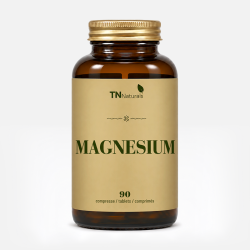
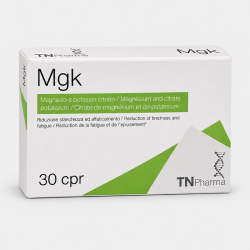
In most cases, a varied and balanced diet is the starting point. Supplements may be considered when dietary intake is insufficient or when specific needs arise, but they are not necessary for everyone. In these cases, you can learn more about magnesium supplements, choosing the product and amount according to your needs and the advice of a healthcare professional.
Contraindications and At-Risk Groups
In healthy people, potassium and magnesium obtained from food are generally regulated by the body, partly through kidney function. The situation may be different in the presence of certain medical conditions or when taking specific medications.
In particular, extra care is important in the following cases:
- Kidney disease: reduced kidney function can impair the elimination of potassium and magnesium, leading to their accumulation in the blood;
- Medication use: some medicines, including potassium-sparing diuretics and drugs that act on the renin-angiotensin system, may increase the risk of high potassium levels. Other medicines may affect magnesium levels;
- Supplement use: excessive potassium intake can cause hyperkalaemia, while high doses of magnesium from supplements or medicines may cause diarrhoea, nausea and abdominal cramps;
- Specific medical conditions: people with cardiovascular disorders, electrolyte imbalances or chronic diseases should discuss supplement use with their doctor.
It is important to remember that excess potassium in the blood can be dangerous, even when it does not cause obvious symptoms. For this reason, people with kidney problems or taking medicines that affect electrolyte balance should not independently increase their intake through supplements or potassium-containing salt substitutes.
Magnesium may also interfere with the absorption of certain medicines, including some antibiotics and bisphosphonates. In these cases, ask your doctor or pharmacist how to space out their use.
Frequently Asked Questions
Which Food Contains the Most Magnesium and Potassium Overall?
There is no single food that contains the highest amount of both minerals. Pumpkin seeds are among the most concentrated plant-based sources of magnesium and also provide potassium. Legumes, potatoes, dried apricots and certain vegetables are also particularly interesting sources of potassium. The best approach is to alternate these foods as part of a varied diet.
Is It Useful to Take Magnesium and Potassium Before Going to Sleep?
Taking magnesium and potassium before going to sleep is not necessarily more effective than taking them at other times of the day. Both minerals contribute to normal muscle and nerve function, but they are not sedatives and do not guarantee improved sleep or the prevention of night-time cramps in everyone.
Taking supplements in the evening may depend on the formulation, individual tolerance and any recommendations received.
Can Magnesium and Potassium Supplements Help with Weight Loss?
Magnesium and potassium supplements do not directly cause weight loss and do not have a fat-burning effect. Both minerals are involved in normal physiological processes, including energy metabolism, muscle function and electrolyte balance, but taking additional amounts does not automatically lead to greater weight loss.
Potassium also contributes to the maintenance of normal blood pressure, while magnesium plays a role in energy metabolism. These functions should not, however, be confused with a weight-loss effect.