- Health and wellness
- 10 views
- What glutamine is used for
- The main properties of this amino acid
- Benefits for intestinal health
- Its role in sports and the gym
- Where glutamine is found in food
- How and when to take glutamine
- How many grams to take per day
- Taking glutamine before bed or after a workout
- Side effects and contraindications
- Is glutamine a dangerous supplement?
- Frequently asked questions
- What are the typical symptoms of glutamine deficiency?
- What is the difference between L-glutamine and glutamine peptides?
- What is the relationship between glutamine and butyric acid in the gut?
- What role does glutamine play in cancer?
What glutamine is used for
Glutamine is an amino acid found abundantly in the body and involved in numerous metabolic processes. Cells use it for protein synthesis, and it is a particularly important energy source for certain tissues, including intestinal mucosal cells and immune system cells.
Unlike essential amino acids, which must be obtained through the diet, glutamine is normally produced by the body. Under physiological conditions, this production is generally sufficient to meet the body's needs. However, during periods of severe metabolic stress, such as certain serious illnesses, trauma or major surgery, requirements may exceed the body's ability to synthesise it. For this reason, glutamine is described as a conditionally essential amino acid.
Glutamine is also well known in sports nutrition, where it is used as a supplement, particularly in connection with recovery after physical activity.
The main properties of this amino acid
Glutamine contributes to several physiological functions and supports normal cellular metabolism. One of its main roles involves nitrogen transport, as nitrogen is needed to synthesise amino acids, proteins and other molecules involved in cellular processes.
The main functions of glutamine include:
- Protein synthesis: contributes to the availability of amino acids used by the body to build and renew proteins;
- Energy metabolism: can be used as an energy source by various types of cells, including intestinal cells;
- Immune function: is used by certain immune cells during proliferation and normal functioning;
- Metabolic balance: participates in nitrogen transport and various biochemical reactions involving other amino acids;
- Intestinal function: contributes to the metabolic processes of enterocytes, the cells lining the small intestine.
Benefits for intestinal health
Glutamine plays an important role in the metabolism of intestinal cells, which use this amino acid as an energy substrate. Enterocytes, together with the other components of the mucosa, help form a barrier that allows nutrients to be absorbed while limiting the unwanted passage of substances from the intestinal lumen into the body.
For this reason, glutamine has been studied in relation to maintaining intestinal barrier integrity and mucosal permeability, including as a supplement for intestinal and digestive health. If symptoms persist, it is important to identify the cause through medical assessment rather than taking a supplement independently.
Its role in sports and the gym
In sports nutrition, glutamine is mainly used with the aim of supporting recovery after intense and prolonged workouts. During exercise, amino acid metabolism can change, and glutamine availability may be affected by the duration and intensity of exertion, as well as the athlete's nutritional status.
Glutamine is involved in the metabolic processes of muscle and immune cells, but its physiological role does not prove that supplementation necessarily increases muscle mass or strength. Studies in healthy, well-nourished people have not consistently demonstrated improvements in performance, body composition or muscle protein synthesis.
For people who exercise, the priorities remain adequate energy intake, protein intake appropriate to individual needs, proper hydration and sufficient recovery between sessions.
Where glutamine is found in food
Glutamine is present in many protein-containing foods, both animal- and plant-based. In addition, the body can synthesise it from other compounds, so a varied and balanced diet normally helps meet daily needs without necessarily requiring specific supplementation.
The main dietary sources of glutamine and the proteins that contain it include:
- Meat and poultry: beef, chicken and turkey provide proteins that contain glutamine;
- Fish: various species contribute protein and amino acids;
- Eggs: provide proteins with high nutritional quality;
- Milk and dairy products: milk, yoghurt and cheese provide proteins containing various amino acids;
- Legumes: beans, lentils, chickpeas and other legumes are plant-based protein sources;
- Soy and soy products: tofu and other soy-based foods contribute to protein intake;
- Cereals: rice, corn, wheat and other cereals contain proteins that provide amino acids, although their profiles vary by food.
The amount of glutamine in a food can vary depending on the raw material, serving size and processing methods.
Under normal circumstances, it is preferable to focus on the overall quality of the diet, including different protein sources throughout the day. People following a vegetarian or vegan diet can obtain protein from legumes, soy, cereals, nuts and seeds, varying their sources to meet their nutritional needs.
No single food is essential for ensuring an adequate glutamine intake. For most healthy people, a sufficiently varied diet and normal glutamine metabolism are generally enough to meet physiological needs.
How and when to take glutamine
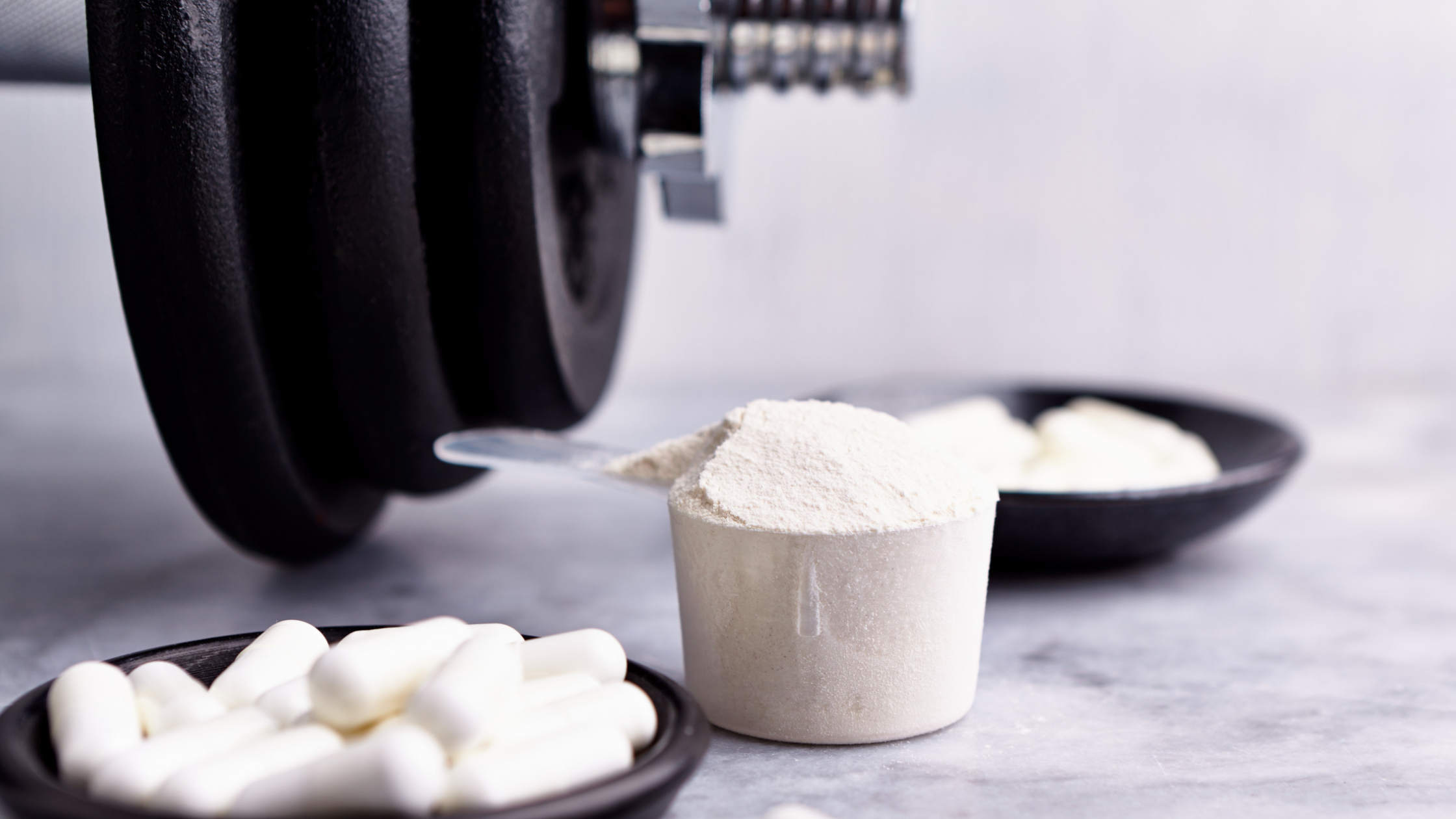
Glutamine supplements are available in different formulations, including powders to dissolve in water and capsules. The choice depends on the product's characteristics, individual preferences and the instructions on the label. There is no single method of taking glutamine that is suitable for everyone, because the need for supplementation depends on nutritional context and personal goals.
It is important to check the composition, the amount per serving and the directions for use provided by the manufacturer, rather than automatically applying one product's instructions to another.
How many grams to take per day
There is no recommended daily dose of glutamine that applies to all healthy people. Physiological requirements are normally met through the body's own production and the diet, while the amounts used in studies vary according to the population studied, the condition being addressed and the duration of the intervention.
To determine whether supplementation is useful and what amount may be appropriate, it is worth considering:
- The purpose of supplementation: the needs of someone who exercises differ from those of a patient requiring clinical nutritional support;
- Usual diet: overall protein intake contributes to the availability of glutamine and other amino acids;
- Individual circumstances: existing medical conditions or ongoing treatments may require specific precautions;
- Product instructions: the amount and directions for use should be checked on the label of the chosen formulation.
High amounts may cause gastrointestinal discomfort and do not guarantee proportionally greater benefits. If in doubt, it is best to consult a doctor, dietitian or qualified healthcare professional.
Taking glutamine before bed or after a workout
Glutamine can be taken at different times of the day, depending on the product instructions and individual needs. Common practices in sports nutrition include taking it after a workout and before going to bed.
Taking glutamine after a workout is often suggested as part of a post-exercise nutrition routine. However, the priorities at this stage are replacing lost fluids, replenishing energy when necessary and consuming enough protein. Glutamine does not replace these nutrients, and taking it alone does not guarantee faster recovery.
Taking glutamine before bed is another common practice among people who train regularly. However, there is no conclusive evidence that this timing specifically improves sleep quality or promotes muscle growth more than taking it at other times of the day. If using the product, follow the label instructions and do not assume that timing is a decisive factor in the absence of sufficient evidence.
Side effects and contraindications
Glutamine is an amino acid naturally present in the body and in food, but this does not mean that supplements are free from possible adverse effects or suitable in every situation.
The most commonly reported side effects involve the gastrointestinal tract and may include:
- Nausea: a feeling of sickness that may occur after taking it;
- Abdominal bloating: a feeling of tension or distension in the abdomen;
- Abdominal pain or discomfort: symptoms that may vary in intensity depending on the person and the amount taken;
- Flatulence and belching: possible gastrointestinal symptoms, especially in cases of poor tolerance;
- Vomiting: may occur in certain circumstances, particularly with high amounts or in sensitive individuals.
The occurrence and severity of adverse effects depend on the dose, individual tolerance and clinical circumstances. If persistent or significant symptoms occur after taking glutamine, it is advisable to stop using it and seek advice from a healthcare professional.
Particular caution is needed in the presence of kidney or liver disease, complex medical conditions, pregnancy or breastfeeding, as the safety of supplementation may depend on individual circumstances. Anyone taking medication or receiving treatment for a medical condition should check with their doctor that the product is suitable before starting it.
Is glutamine a dangerous supplement?
Glutamine is not generally considered dangerous for all healthy adults when used in appropriate amounts, but its safety depends on the dose, duration of use and individual circumstances. Available tolerability data should not be interpreted as a guarantee of safety at any amount or for every person.
An important distinction is the difference between supplement use by a healthy person and the administration of glutamine in a clinical setting.
For people who exercise, supplementation should be assessed on the basis of a specific need, without increasing the amount in pursuit of supposed anabolic or anti-catabolic effects. Available evidence does not demonstrate consistent improvements in strength, muscle mass or performance in healthy, well-nourished people.
Anyone with kidney or liver disease, chronic conditions, ongoing medication or cancer treatment should seek medical advice before using glutamine. If undergoing treatment for cancer, the supplement should not be taken independently: glutamine metabolism is complex, and its use must be assessed in relation to the type of cancer and the treatment being received.
Frequently asked questions
What are the typical symptoms of glutamine deficiency?
There is no set of specific symptoms that allows healthy people to identify glutamine deficiency on their own. The body can normally produce this amino acid and, under physiological conditions, dietary intake and internal synthesis help maintain its availability.
In situations involving severe metabolic stress, such as serious illness, extensive trauma or major surgery, glutamine availability may decrease relative to the body's needs. However, changes in glutamine levels do not necessarily lead to specific symptoms and must be interpreted in the overall clinical context.
Fatigue, difficulty recovering, digestive problems or reduced sports performance can have many causes, including insufficient energy intake, a poorly varied diet, overtraining, lack of sleep or medical conditions. These symptoms alone are therefore not enough to conclude that glutamine deficiency is present.
If these problems persist, it is advisable to consult a doctor to identify their cause. Taking a supplement without assessing individual needs does not guarantee symptom improvement and may distract from the underlying issue.
What is the difference between L-glutamine and glutamine peptides?
L-glutamine is the form of the amino acid commonly used in the body's biological processes and found in most free-form glutamine supplements. The term indicates the amino acid's molecular configuration and is commonly used to identify it in nutritional formulations.
Glutamine peptides generally refer to a form in which glutamine is bound to other amino acids within small peptides. The exact composition depends on the raw material and formulation used: not all products described as “peptide” necessarily have the same structure or characteristics.
What is the relationship between glutamine and butyric acid in the gut?
Glutamine and butyric acid, more commonly called butyrate when referring to its form in the intestine, are two different substances that may be involved in maintaining intestinal function.
- Glutamine is an amino acid used as an energy substrate by various cells, including those of the intestinal mucosa.
- Butyrate is a short-chain fatty acid produced mainly through the fermentation of certain dietary fibres by intestinal bacteria. It is an important energy source for colon cells and participates in various processes that contribute to a balanced intestinal environment.
To support normal intestinal function, it is useful to follow a varied diet with an adequate intake of fibre from legumes, vegetables, fruit and whole grains, where tolerated. If persistent symptoms or intestinal disease are present, the use of glutamine, butyrate or other supplements should be assessed with a healthcare professional.
What role does glutamine play in cancer?
Glutamine is involved in the metabolism of many cells in the body, and some cancer cells may use it to support processes involved in growth and survival. However, this does not mean that dietary glutamine automatically causes cancer or that all supplements are necessarily harmful to people with an oncological diagnosis.
In clinical settings, glutamine has also been studied for its potential role in managing certain side effects of cancer treatments, such as some forms of mucositis, diarrhoea or neuropathy associated with specific treatments. Results vary depending on the treatment, method of administration and patient's condition; not all uses are supported by sufficient evidence to be recommended universally.
If you have cancer, are undergoing chemotherapy or radiotherapy, or are recovering from surgery, it is essential to consult your oncologist before taking glutamine. A healthcare professional can assess the potential benefits and risks in relation to the diagnosis, treatment and individual nutritional status.
Glutamine is an amino acid that plays an important role in cellular metabolism, protein synthesis and the functioning of tissues such as the intestinal mucosa and certain immune cells. It is present in many protein-rich foods and is normally produced by the body, so supplementation is not necessarily useful for everyone. Before taking glutamine, particularly if you have a medical condition or are receiving treatment, it is important to assess your needs with a healthcare professional and follow the product instructions.