- Health and wellness
- 22 views

- What Is Leucine?
- The Role of Leucine Among Essential Amino Acids
- What Is Leucine Used For?
- Stimulating Protein Synthesis
- Supporting Muscle Mass
- Foods Rich in Leucine
- Animal Sources and Eggs
- Plant-Based Options
- Table of Values by Food
- How to Take Leucine Supplements
- Powder and Tablet Forms
- Recommended Dosages and Timing
- Side Effects and Contraindications
- Frequently Asked Questions
- What Is the Difference Between Leucine and Isoleucine?
- Is Leucine Supplementation Useful for Hair Health?
- Can Leucine Help with Weight Loss During a Diet?
- Are Leucine Supplements Available at Pharmacies?
What Is Leucine?
Leucine is an essential amino acid involved in protein synthesis that plays an important role in regulating the processes involved in maintaining and developing muscle mass. It is particularly well known in sports nutrition because it helps activate certain cellular signals that promote the formation of new proteins.
Like other amino acids, leucine is used by the body for several biological functions. Its distinctive feature is its involvement in regulating muscle protein synthesis, a process that allows tissue proteins to be renewed and the body to adapt to training stimuli.
Leucine occurs naturally in many protein-rich foods, such as meat, fish, eggs, milk and dairy products, legumes, and soy. It is also available as a supplement, but its usefulness depends on the overall diet, individual requirements, and personal goals.
The Role of Leucine Among Essential Amino Acids
Leucine belongs to the nine essential amino acids, meaning compounds that the human body cannot synthesize independently in sufficient quantities and must therefore obtain through the diet. Together with isoleucine and valine, it also belongs to the branched-chain amino acids, known as BCAAs, which are characterized by a particular chemical structure in their side chains.
Leucine is important for protein synthesis, but it is not sufficient on its own to build new protein structures. To complete this process, the other essential amino acids must also be available, as they provide all the components needed to form proteins. If one of these components is missing or present in insufficient quantities, synthesis may be limited.
For this reason, leucine should be considered as part of a complete and balanced protein intake. Foods such as eggs, fish, meat, dairy products, and soy can provide leucine and other essential amino acids at the same time. It is also possible to create a diet that meets individual needs by combining different plant-based sources.
What Is Leucine Used For?
The most extensively studied function of leucine concerns its involvement in muscle protein synthesis. This amino acid helps activate specific cellular mechanisms involved in producing new proteins and may therefore be important for maintaining muscle tissue.
Building and maintaining muscle mass depend on the availability of all essential amino acids, energy intake, training, recovery, and numerous individual factors. A higher intake of leucine does not necessarily lead to better results if the diet is already adequate.
Stimulating Protein Synthesis
Protein synthesis is the process through which cells use amino acids to build new proteins. In muscle tissue, this mechanism is essential for the continuous renewal of cellular structures and for the adaptations that may occur in response to physical activity.
Leucine stands out because it also acts as a nutritional signal. Its availability helps activate a cellular regulatory pathway known as the mTOR protein pathway, which is involved in initiating the processes that lead to protein synthesis.
The mTORC1 pathway, however, does not depend exclusively on leucine. It is also influenced by other amino acids, energy availability, physical activity, and additional physiological signals. Furthermore, activating this signal is not enough to sustain the production of new proteins if all the necessary amino acids are not available.
In practical terms, it is therefore important to distribute protein sources appropriately throughout the day and choose foods that provide a complete amino acid profile. Leucine is a relevant part of this process, but it does not replace a balanced diet or independently guarantee an increase in muscle mass.
Supporting Muscle Mass
Leucine may contribute to maintaining muscle mass because it participates in regulating protein synthesis for muscle hypertrophy. This process is particularly important for people who perform resistance training, during which the muscles receive a stimulus that, together with adequate nutrition and recovery, may promote adaptations over time.
To develop muscle mass, it is necessary to consider protein balance, meaning the relationship between the amount of protein synthesized and the amount broken down. An adequate intake of protein and essential amino acids helps support this balance, but it is not correct to attribute the ability to guarantee a positive nitrogen balance to leucine alone. Dietary energy intake, the training program, and recovery also affect the outcome.
Leucine may therefore be useful as part of a diet that provides adequate amounts of protein. Other essential amino acids are also needed to build proteins, while muscle growth depends on consistent training stimuli and adequate recovery.
Leucine supplementation, when considered, should be evaluated as part of an overall nutritional strategy rather than as an alternative to training or dietary protein.
Foods Rich in Leucine
Leucine is present in many protein-rich foods, both animal-based and plant-based. In general, foods that provide more protein also tend to supply significant amounts of this amino acid, although its concentration varies depending on the food type, processing, and portion consumed.
A varied diet that includes protein sources suited to individual needs can help meet leucine requirements alongside those for other essential nutrients.
Animal Sources and Eggs
Among the most relevant animal-based sources of leucine are meat, fish, eggs, milk, and dairy products. These foods provide proteins containing all nine essential amino acids, although their proportions vary depending on the source and its specific composition.
Beef, chicken, turkey, and fish can provide significant amounts of leucine per serving. Dairy products, including yogurt and cheese, also contribute to leucine intake. The actual amount depends on the protein concentration of the food and the portion consumed: a product that is very high in protein may provide more leucine than a food with a lower protein content.
Eggs are another useful source because they contain proteins of high nutritional quality and all essential amino acids. Both the egg white and the yolk contribute to the protein content of a whole egg, although their compositions differ.
Choosing animal-based sources should still take dietary variety, personal preferences, and nutritional needs into account. It is not necessary to concentrate protein intake on a single food: alternating fish, eggs, dairy products, and other sources also helps vary the other nutrients obtained through the diet.
Plant-Based Options
Plant-based foods can make a significant contribution to leucine intake. Some of the most useful sources include soy and soy products, legumes, peanuts, seeds, and grains. The amount present varies according to the food's composition and protein content. It is therefore useful to consider not only the presence of leucine but also the total amount of protein provided by each serving.
Soy and its derivatives, such as tofu and tempeh, are particularly useful plant-based protein sources. Beans, lentils, chickpeas, and peas also contribute amino acids. Grains, nuts, and seeds can add variety to protein sources throughout the day.
Plant-based proteins may differ from animal proteins in digestibility and the proportions of individual amino acids. This does not mean that a plant-based diet cannot meet nutritional requirements: adequate intake can be achieved by choosing sufficient quantities and varying food sources.
Table of Values by Food
Leucine content varies by food and may also depend on the variety, processing, and whether the food is raw or cooked. The following table provides approximate values per 100 g of food, which can be used to compare some common sources. These are estimates: for precise nutritional calculations, it is necessary to consult a specific database and consider the preparation actually consumed.
| Food | Approximate leucine per 100 g |
|---|---|
| Bresaola (cured beef) | Approximately 2.6 g |
| Chicken breast | Approximately 2.0 g |
| Lean beef | Approximately 1.9 g |
| Fish, depending on the species | Approximately 1.5–2.0 g |
| Whole egg | Approximately 1.0–1.1 g |
| Aged cheeses | Variable, often above 2 g |
| Dried soybeans | Approximately 3 g |
| Tofu | Approximately 0.8–1.4 g |
| Peanuts | Approximately 1.5 g |
| Cooked lentils | Approximately 0.5–0.7 g |
To compare protein sources correctly, it is useful to consider both the portion usually consumed and the total amount of protein. A well-planned diet can include several foods that provide leucine without requiring the entire amount to come from a single source or a specific supplement.
How to Take Leucine Supplements
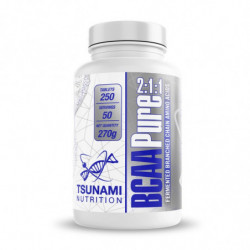
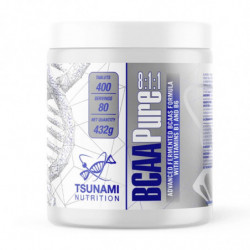
Leucine supplements are formulated to provide this amino acid in defined quantities and may be offered primarily for sports nutrition. Their usefulness depends on the context: people who already obtain sufficient protein through their diet may not experience significant additional benefits from isolated supplementation.
Before choosing a product, it is important to check its composition, the amount of leucine per serving, and any directions provided on the label. There is no single method of taking leucine that is suitable for everyone, as requirements vary according to diet, physical activity, and individual circumstances.
Powder and Tablet Forms
Leucine supplements may be available in powder or tablet form. The main differences concern ease of use, format, and how the serving is measured. The format does not in itself determine greater physiological benefits: when composition and quantity are equivalent, the choice should mainly depend on personal preferences and the manufacturer's instructions.
- Leucine powder can be convenient for people who want to measure the amount they take and add it to a drink or other preparations compatible with the product. It is important to use the measuring scoop or dosing tool provided rather than estimating the amount by eye, as the volume of powder does not necessarily correspond to a precise weight;
- Tablets provide predefined portions and may be convenient when away from home. In this case, check how much leucine each tablet contains and how many tablets make up a serving according to the label.
Recommended Dosages and Timing
The amount of leucine required varies according to individual needs, age, overall protein intake, and physical activity. In sports nutrition, the literature often discusses amounts of approximately 1–3 g of leucine per meal as an indicative range associated with stimulating muscle protein synthesis. This is not a universal prescription and does not mean that everyone needs to take this amount as a supplement: leucine may already be present in dietary protein or protein blends.
It is also important to distinguish the amount of leucine contained in a meal from the dose of isolated leucine taken as a supplement. The muscle protein synthesis response also depends on the availability of other essential amino acids, total protein intake, physical activity, and individual characteristics. Taking leucine alone is not equivalent to consuming a complete protein source.
There is no single time of day that guarantees better results for everyone. Intake can be considered in relation to meals and training schedules, but the priority remains achieving an adequate daily protein intake and distributing it in a way that suits individual needs. There is no evidence that taking leucine immediately before or after every workout necessarily produces better results than a well-structured nutritional strategy.
Side Effects and Contraindications
Leucine is an amino acid naturally present in protein-rich foods, and consuming it as part of a balanced diet is part of normal nutrition. The main precautions concern concentrated intake through supplements, particularly when high quantities, multiple products at the same time, or formulations unsuitable for individual circumstances are used.
Tolerability can vary from person to person. Amino acid supplements may cause gastrointestinal discomfort, such as nausea or abdominal discomfort, although the occurrence and severity of side effects also depend on the amount taken and the product's other ingredients. Supplementation should not automatically be considered harmless simply because it involves an amino acid naturally found in foods.
Particular care is needed in the presence of kidney or liver disease, as these conditions may require specific management of protein intake and amino acid metabolism. In such cases, it is not advisable to start supplementation independently: the decision should be discussed with a doctor, taking the clinical situation and individual nutritional recommendations into account.
It is also advisable to seek medical advice during pregnancy and breastfeeding, in the presence of chronic conditions, or when taking medications and other supplements. Leucine does not replace complete proteins and should not be used to compensate for an inadequate diet or an unsuitable training strategy.
Frequently Asked Questions
What Is the Difference Between Leucine and Isoleucine?
The difference between leucine and isoleucine lies in their chemical structures and certain metabolic characteristics. Both are essential amino acids and belong to the BCAAs, together with valine. Since the body cannot produce them in sufficient quantities, they must be obtained through protein-rich foods or, when necessary, supplements.
Leucine has been studied extensively for its role in regulating muscle protein synthesis through the mTORC1 signaling pathway. Isoleucine also participates in protein synthesis and energy metabolism, but it has its own metabolic characteristics. These differences do not mean that one amino acid can completely replace the other.
Both substances work within the broader context of amino acid metabolism and should be considered alongside the other components of the diet. To build new proteins, the body needs all essential amino acids in the required amounts.
Is Leucine Supplementation Useful for Hair Health?
Leucine supplementation for hair health is not considered a targeted strategy with proven benefits for everyone. Leucine participates in the body's protein synthesis, but this general role does not demonstrate that taking a supplement can prevent hair loss, accelerate growth, or automatically improve hair appearance.
Hair consists mainly of keratin, a protein whose production depends on amino acid availability and several physiological factors. Insufficient protein intake or nutritional deficiencies may contribute to changes in hair growth, but the phenomenon can have many other causes, including genetic, hormonal, clinical, and environmental factors.
If hair loss is associated with a nutritional deficiency, correcting the identified problem may be helpful. However, it is not appropriate to assume that the cause is a leucine deficiency or to use a supplement without assessing the overall situation. If hair loss is persistent or sudden, it is advisable to consult a doctor or dermatologist to identify the cause and choose the most appropriate intervention.
Can Leucine Help with Weight Loss During a Diet?
Leucine during a weight-loss diet may contribute to normal protein metabolism, but it is not a fat burner and does not cause weight loss on its own. Weight loss depends primarily on energy balance over time, while maintaining muscle mass may be supported by adequate protein intake and physical activity, particularly resistance training.
During a calorie-restricted phase, it is important to avoid insufficient protein intake, as this may make it more difficult to preserve lean mass. Leucine participates in regulating protein synthesis, but the outcome also depends on the availability of other essential amino acids and the overall amount of protein consumed.
Are Leucine Supplements Available at Pharmacies?
Leucine supplements may be available at pharmacies, but availability varies depending on the store, distributor, and requested formulation. They may also be sold through specialist sports nutrition shops and online retailers. It is therefore not possible to guarantee that every pharmacy will always stock a leucine-based product.
Before purchasing, it is useful to check the label, the amount of leucine per serving, the other ingredients, and the directions for use. Products may differ in format and composition: some provide leucine alone, while others contain amino acid blends or additional components. Not all formulations should be assumed to be equivalent.
Leucine is an essential amino acid that contributes to protein synthesis and the regulation of processes involved in maintaining muscle mass. It is found in many animal-based and plant-based foods and can also be taken as a supplement in various forms. To support muscle growth and maintenance, the priority remains an adequate intake of complete proteins, training that aligns with individual goals, and sufficient recovery.