- Health and wellness
- 0 views
- What Is Glycine
- Properties and Benefits of Glycine
- Glycine for Sleep and Relaxation
- Glycine for Hair Health
- How to Choose the Best Glycine Supplement
- Pure Glycine Powder
- Glycine Capsules
- Dosage and When to Take Glycine
- Side Effects and Contraindications
- Frequently Asked Questions
- Which Foods Naturally Contain Glycine?
- Is Glycine an Essential Amino Acid?
- Where Can You Buy Glycine? Is It Available in Pharmacies?
- Why Is Glycine Considered the Simplest Amino Acid?
What Is Glycine
Glycine is an amino acid naturally present in the body and in many protein-rich foods. It participates in the synthesis of several molecules that are important for the body's functioning, including collagen, creatine and glutathione, a substance involved in the cells' antioxidant defence mechanisms.
Its relatively small structure allows it to perform different functions: in addition to being a component of proteins, it also acts as an inhibitory neurotransmitter in certain areas of the central nervous system and spinal cord.
The body can produce glycine on its own, which is why it is classified as a non-essential amino acid. Under certain physiological conditions, however, the amount synthesised may not fully meet the body's needs. For this reason, glycine is sometimes also described as a conditionally essential amino acid.
Glycine is found in protein-rich foods, particularly those containing connective tissue and collagen. When the diet does not provide enough to meet the body's needs, it can be taken as a dietary supplement, generally in powder or capsule form. Before choosing a supplement, it is important to understand glycine's functions, the scientific evidence regarding its potential benefits and the precautions to consider.
Properties and Benefits of Glycine
Glycine is a key component of collagen and contributes to the synthesis of glutathione and is involved in the production of other molecules that participate in cellular metabolism. It also serves as a neurotransmitter, helping regulate the transmission of nerve signals.
These biological functions explain the interest in glycine as a supplement, particularly for nighttime rest and nutritional support for tissues. It is important to distinguish an amino acid's physiological role from the demonstrated benefits of taking it as a supplement: the fact that a substance is necessary for the body does not automatically mean that taking additional amounts will produce noticeable effects in healthy people.
Glycine for Sleep and Relaxation
One of the areas in which glycine has been most extensively studied is sleep quality. Its role as an inhibitory neurotransmitter contributes to the regulation of nervous system activity in specific areas of the nervous system.
Before falling asleep, core body temperature naturally tends to decrease. Glycine may contribute to this process through mechanisms involving the dissipation of body heat. This potential action, together with its role in nerve signalling, is one of the hypotheses underlying studies into its use for sleep.
Anyone wishing to explore options for rest can consult the category of sleep and relaxation supplements. However, choosing a supplement should take individual needs into account and does not replace good sleep hygiene or medical assessment in cases of persistent insomnia. Another related topic is magnesium bisglycinate for sleep, a form in which magnesium is bound to glycine.
Glycine is a substance involved in the biological processes that regulate rest, but the available evidence does not support considering it a treatment for sleep disorders. If difficulty falling asleep or nighttime awakenings occur frequently, it is advisable to speak with a doctor to identify the underlying causes.
Glycine for Hair Health
Glycine is an important component of collagen, a structural protein found in the skin and various connective tissues. In the primary structure of collagen, this amino acid accounts for approximately one-third of the residues, partly because its small size allows it to occupy specific positions within the protein structure.
Collagen contributes to the organisation and strength of various tissues in the body. For this reason, glycine is often mentioned in discussions about hair health and skin health. However, it is important to clarify that hair follicles and hair shafts have different characteristics: hair is primarily composed of keratin, whereas collagen is present in the surrounding tissues and the structure of the skin.
Hair health depends on several factors, including genetics, scalp condition, general health and dietary adequacy. A varied diet providing sufficient protein, vitamins and minerals helps meet the body's nutritional needs. If specific deficiencies are suspected, it is important to identify them with the support of a qualified professional rather than taking supplements without a clear reason.
How to Choose the Best Glycine Supplement
Glycine supplements are available in different formulations, mainly powder and capsules. The choice depends on personal preferences, ease of use, dosing convenience and the characteristics of the product.
Before purchasing a supplement, it is useful to check a few points:
- Composition: check that the amount of glycine per serving is clearly stated;
- Added ingredients: check for flavourings, sweeteners, anti-caking agents or other components;
- Directions for use: follow the instructions on the label without independently exceeding the recommended serving;
- Personal needs: assess how practical the formulation is for your habits;
- Quality of information: choose products with clear labels and transparent information, and be wary of promises of guaranteed results.
Glycine supplementation is not necessary for everyone, and a supplement does not replace a varied and balanced diet. If you take medication, have a medical condition or wish to use the product to address a persistent problem, it is advisable to consult a doctor or pharmacist before starting.
Pure Glycine Powder
Glycine powder is a formulation that allows you to measure the amount taken according to the product's instructions. It can be dissolved in water or another beverage compatible with the directions on the label.
When choosing a powder, it is important to check that the stated amount refers specifically to glycine and not to the total weight of a mixture containing other ingredients. A pure glycine product and a combination formula may have different compositions and should not be considered equivalent.
Before purchasing, also consider the product's solubility, taste and storage instructions. It is not necessary to choose a powder simply because it allows larger quantities to be taken: the appropriate dose depends on the intended use, tolerability and the instructions on the label.
Glycine Capsules
Capsules are a practical alternative for those who prefer a formulation already divided into individual units. The amount of glycine in each capsule depends on the product.
Compared with powder, capsules may be easier to carry and incorporate into a daily routine. However, reaching a specific amount of glycine may require taking several capsules, depending on their concentration. It is therefore important to compare the amount per serving rather than just the total number of capsules in the pack.
It is also important to check the capsule ingredients and any excipients, particularly in the case of allergies, intolerances or specific dietary preferences. Directions for use may vary between products and should follow the manufacturer's instructions.
The choice between glycine powder and capsules mainly depends on convenience and how easily the recommended directions can be followed. Neither formulation guarantees better results in the absence of specific evidence demonstrating a difference in effectiveness.
Dosage and When to Take Glycine
There is no universal daily glycine dosage that applies to everyone and every goal. The amount to take depends on the formulation, the product instructions, individual circumstances and the reason for considering supplementation.
Studies on glycine have used different dosages and administration methods depending on the area being investigated. It is therefore not advisable to automatically apply dosages used in studies involving specific clinical conditions to independent use as a dietary supplement.
When considering supplementation, it is useful to follow a few principles:
- Follow the label instructions: do not exceed the manufacturer's recommended daily serving without advice from a healthcare professional;
- Define your goal: using glycine for rest should not be confused with its use in other clinical contexts;
- Do not automatically increase the dose: a higher amount does not necessarily mean a greater benefit;
- Assess tolerability: if gastrointestinal problems or other symptoms occur, stop taking the supplement and seek professional advice;
- Consider your personal circumstances: if you have a medical condition, take medication, are pregnant or breastfeeding, consult a doctor before using the supplement.
Before using glycine regularly, it is advisable to assess whether there is a genuine need and whether the product is compatible with your state of health.
Side Effects and Contraindications
Glycine is an amino acid naturally present in the body and in food, but this does not mean that concentrated intake in supplement form is free from potential adverse effects. Tolerability may vary depending on the amount taken, frequency of use and individual characteristics.
Potential side effects, particularly following the intake of high amounts, include:
- Nausea: a possible sign of poor tolerability;
- Gastrointestinal discomfort: digestive problems may occur in some people;
- Abdominal discomfort: this may make it necessary to stop taking the supplement and reassess how it is used.
It is advisable to seek medical advice before taking glycine if you have kidney or liver disease, during pregnancy or breastfeeding, or if you are taking medication. If you are receiving treatment for neurological or psychiatric conditions, it is also important not to add supplements independently without consulting your doctor.
Another precaution concerns the prolonged use of individual amino acids at high doses. Supplementation should not replace a balanced diet or be started without a clear reason.
Frequently Asked Questions
Which Foods Naturally Contain Glycine?
Glycine is present in many protein-containing foods. The amounts vary depending on the composition of the food and the proportions of the different amino acids that make up its proteins.
Particularly noteworthy dietary sources include:
- Bone broth: its glycine content depends on the raw ingredients, cooking time and preparation method;
- Meat cuts rich in connective tissue: these may contain varying amounts of collagen;
- Animal skin and cartilage: these are sources of connective tissue containing collagen;
- Gelatin: derived from collagen, it contains significant amounts of glycine;
- Fish and fish products: some parts rich in connective tissue may contribute to the intake of this amino acid.
Glycine is also found in other protein-rich foods, such as meat, fish, eggs, dairy products and legumes, although their amino acid profiles differ. It is therefore not necessary to consume only collagen-rich foods to obtain glycine through the diet.
Is Glycine an Essential Amino Acid?
Glycine is generally classified as a non-essential amino acid because the body can synthesise it from other substances. Unlike essential amino acids, it does not necessarily have to be obtained from the diet in a specific amount to meet basic requirements.
Being classified as non-essential does not mean that glycine is unimportant. On the contrary, it contributes to collagen structure, the synthesis of glutathione and other molecules, and the transmission of nerve signals. Under certain physiological conditions, internal production may not be sufficient to fully meet the body's needs, which is why glycine is sometimes described as conditionally essential.
Where Can You Buy Glycine? Is It Available in Pharmacies?
Glycine is naturally present in protein-rich foods and is also sold as an ingredient in dietary supplements. Availability in pharmacies may vary depending on the retailer and the formulation required.
Before purchasing a supplement, it is important to check that the label clearly states the amount of glycine per serving, the ingredient list, directions for use and warnings. If the product is a blend of several substances, also check which other ingredients it contains and in what amounts.
If you take medication, have a medical condition or are unsure whether glycine is suitable for you, ask a pharmacist or doctor for advice before purchasing it.
Why Is Glycine Considered the Simplest Amino Acid?
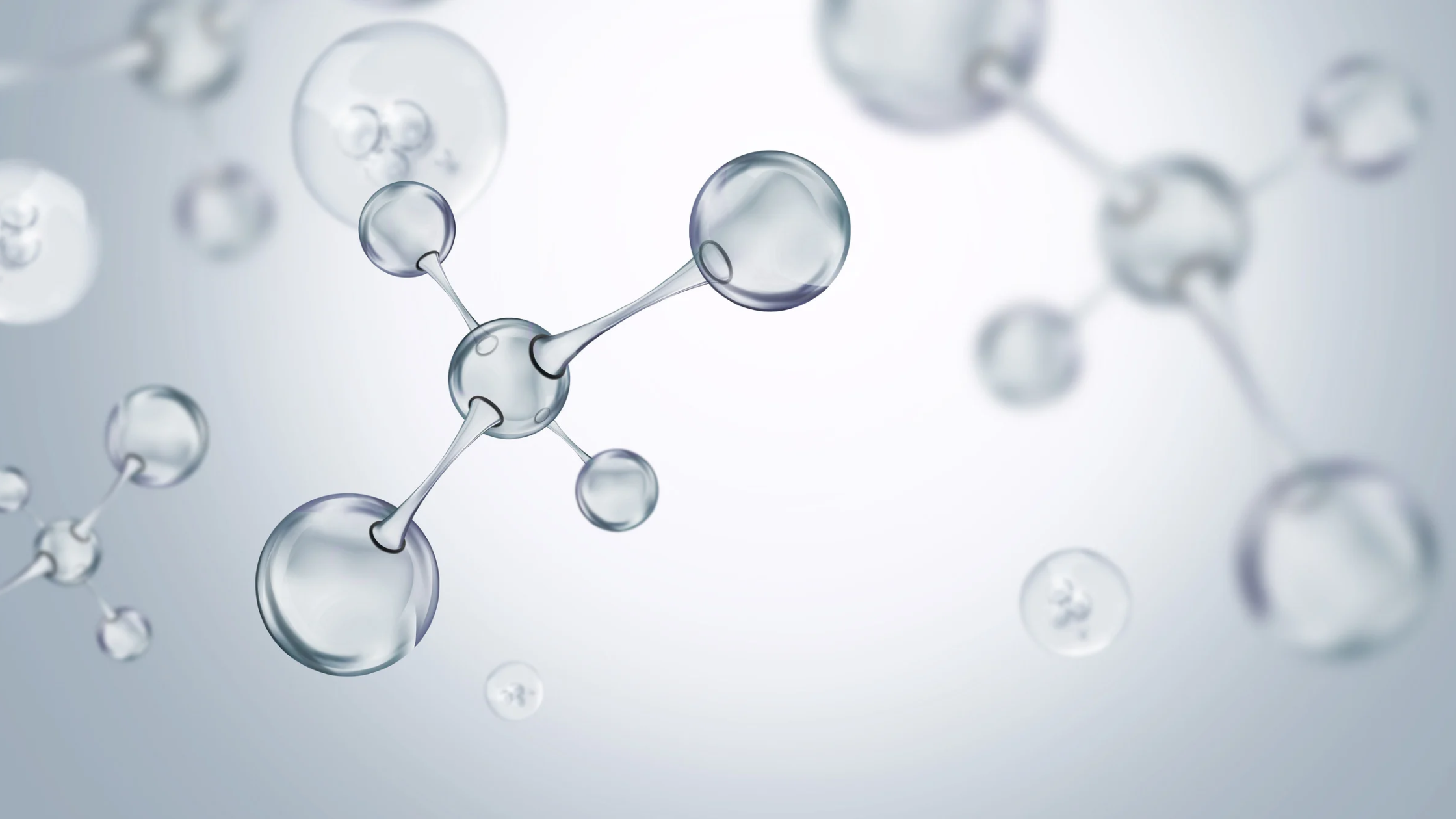
Glycine is considered the simplest of the 20 amino acids because it has the most basic chemical structure. Its side chain consists of a single hydrogen atom, whereas other amino acids have more complex side groups that contribute to their chemical and biological characteristics.
This simple structure makes glycine the only standard amino acid with a central carbon atom bonded to two hydrogen atoms. For this reason, unlike the other standard amino acids, it is not chiral: its structure does not allow the two mirror-image forms typical of chiral amino acids to be distinguished.
Glycine's small size is also important for protein structure. In collagen, for example, the frequent presence of glycine allows the protein chains to come close together and form the characteristic triple-helix structure.
Glycine is a non-essential amino acid that contributes to collagen structure, glutathione synthesis and the regulation of certain nerve signals. Before choosing a powder or capsule supplement, it is useful to check the composition, follow the product instructions and consider your individual needs. A varied and balanced diet remains the foundation for providing the body with the amino acids it needs.