- Health and wellness
- 0 views
- What Is Taurine
- Origin and the Bull Myth
- Natural Sources and Diet
- Functions and Benefits of Taurine
- Physical and Sports Performance
- Heart Health and Longevity
- Taurine and Energy Drinks
- Role in Red Bull and Monster
- Side Effects and Safety
- Dosages and Contraindications of Supplements
- Frequently Asked Questions
- Does Taurine Have a Stimulating or Energizing Effect?
- What Are the Sexual Effects of Taurine?
- Can Taurine Supplementation Help with Weight Loss?
What Is Taurine
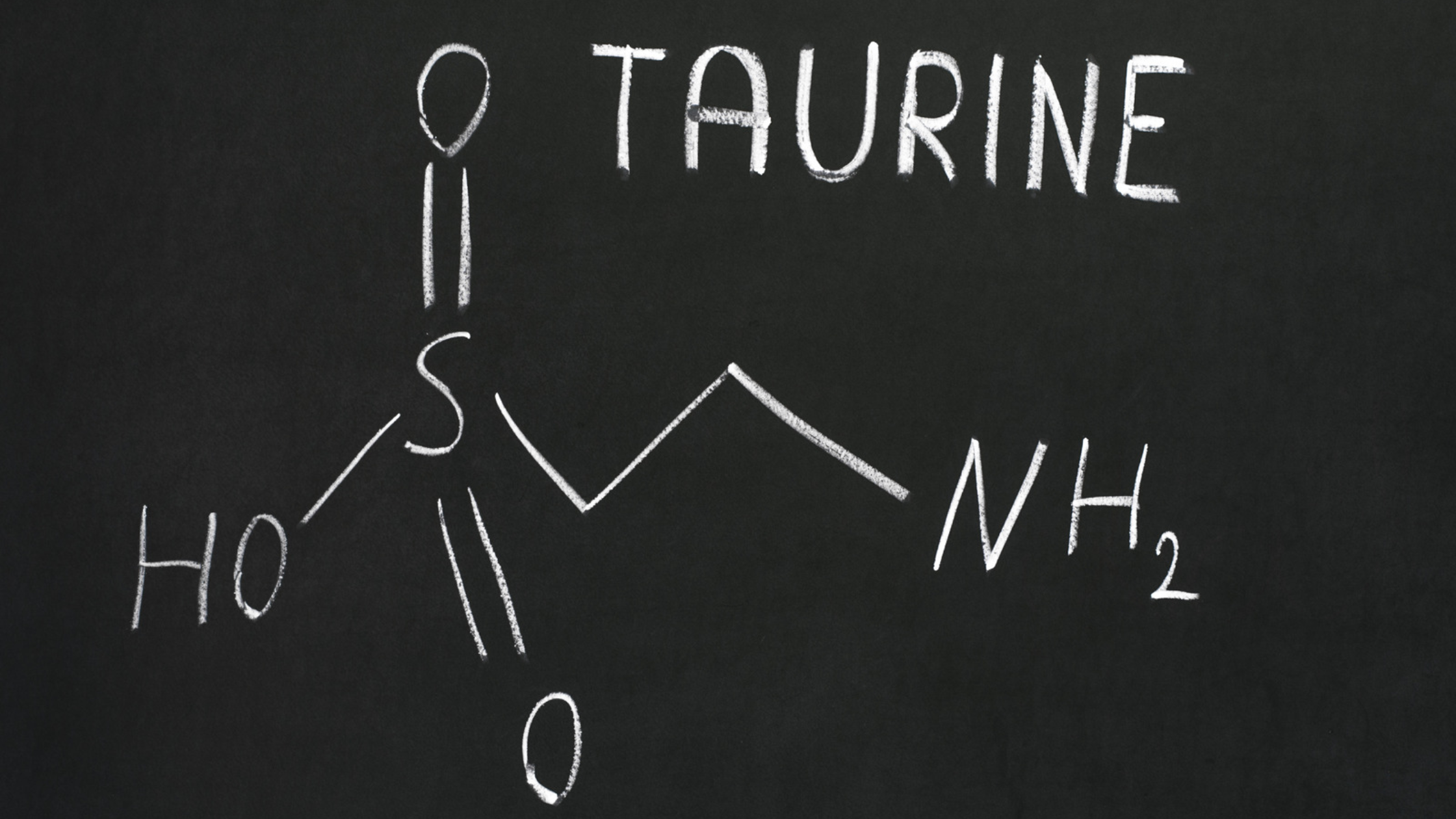
Taurine is an organic compound containing sulfur, often described as an amino acid because of its chemical structure. It performs several important functions for the normal functioning of cells and tissues.
The human body can produce taurine from other compounds, including certain derivatives of sulfur-containing amino acid metabolism. It is present in relatively high concentrations in tissues such as the heart, brain, retina, and skeletal muscles.
Its main physiological functions include:
- Cellular balance: helps regulate cell volume and fluid balance;
- Muscle function: participates in mechanisms that regulate calcium and other processes involved in muscle fiber activity;
- Nervous system: contributes to various processes associated with normal neuronal activity;
- Fat digestion: is used by the body to form bile salts, which are important for the digestion and absorption of lipids;
- Cell protection: contributes to several mechanisms involved in regulating and maintaining the cellular environment.
Taurine is involved in numerous biological activities, but this does not mean that taking additional amounts through a supplement will necessarily produce noticeable benefits. The effects of supplementation depend on the amount consumed, individual circumstances, and the outcome being assessed.
Origin and the Bull Myth
The name taurine comes from the Latin word taurus, meaning bull. The substance was first isolated in the 19th century from bovine bile, which is the origin of its name. This has contributed to an association between taurine, the strength of the animal, and the idea of gaining more energy or improving performance.
It is important to distinguish the origin of the name from the substance's actual characteristics. Taurine used in supplements and many energy drinks is not obtained from bulls: it is normally produced through synthetic processes. Its presence in commercial formulations therefore does not imply the use of ingredients obtained directly from these animals.
The idea that taurine can automatically make people stronger, more aggressive, or more resilient is also a myth. The substance participates in important physiological processes, but taking it does not reproduce an animal's characteristics or guarantee an increase in muscle strength.
Natural Sources and Diet
Taurine is naturally present in various foods, especially those of animal origin. The most significant dietary sources include fish, mollusks, crustaceans, and meat.
Plant-based foods, on the other hand, generally contain very low or negligible amounts of taurine. People following a vegetarian or vegan diet therefore tend to consume less taurine directly through food, although the body can produce some of it independently.
The main dietary sources include:
- Fish and seafood: can provide significant amounts of taurine, with differences between species;
- Meat: is another dietary source, with varying levels depending on the type and cut of meat;
- Milk and dairy products: may contain lower amounts than many seafood and meat sources;
- Plant-based foods: are not generally significant sources of taurine, although they can contribute to a balanced diet by providing other nutrients.
A varied diet provides taurine through food, alongside protein, vitamins, minerals, and other useful compounds. The need for supplementation should be assessed by considering dietary habits and individual circumstances.
Functions and Benefits of Taurine
The potential benefits of taurine have been investigated in numerous studies, particularly in relation to muscle function, metabolism, and cardiovascular health. Research has identified several interesting biological mechanisms, but not all functions observed in laboratory settings translate into clinically proven benefits in humans.
It is therefore useful to distinguish between three aspects: the physiological role of taurine in the body, the effects observed in supplementation studies, and the results that can be applied to everyday life.
A compound may be important for cell function without taking additional amounts automatically improving performance or health.
Physical and Sports Performance
Taurine is present in high concentrations in skeletal muscles and participates in several processes involved in their activity. These include fluid balance regulation, calcium control within cells, and certain mechanisms related to muscle contraction.
These functions have led researchers to investigate taurine as a potential support for people who engage in physical activity. Some studies suggest that supplementation may influence certain performance or recovery parameters, but the results are inconsistent. Effects may vary depending on the type of exercise, duration of exertion, protocol used, and participants' characteristics.
Research has examined several aspects, including:
- Muscle contractility: taurine participates in the mechanisms that regulate calcium in muscle cells, which is important for contraction;
- Physical endurance: some studies have assessed a possible effect on the ability to sustain exertion, but the results are not consistent enough to guarantee a benefit in every situation;
- Fatigue and recovery: potential effects on certain indicators of fatigue and muscle damage have been studied, but the evidence remains variable;
- Training adaptation: taurine is also being investigated for its possible role in cellular processes associated with physical activity.
Taurine does not replace a well-structured training program, an adequate diet, or recovery. Nor should it be considered an essential supplement for increasing muscle mass or improving sports performance, although it is often taken as a pre-workout supplement.
Heart Health and Longevity
Taurine performs several functions in the cardiovascular system and is present in significant amounts in the heart muscle. For this reason, research has examined its potential role in regulating blood pressure, heart function, and certain processes associated with metabolic health.
Areas investigated include:
- Blood pressure: some studies have reported average reductions in certain blood pressure readings, but further research is needed to determine the clinical significance and duration of the effect;
- Heart function: taurine participates in physiological processes in the heart muscle and has also been studied in people with specific cardiovascular conditions;
- Endothelial function: research is assessing potential effects on the mechanisms that regulate blood vessel function;
- Metabolism: some studies have examined potential changes in parameters related to blood glucose and blood lipids.
It is important not to turn these findings into promises of prevention or claims that taurine is a heart health supplement. Taurine does not replace prescribed medication, medical monitoring of blood pressure, or other recommended measures to protect cardiovascular health. People with heart conditions or those taking medication should consult their doctor before using supplements.
Taurine and Energy Drinks
Taurine is best known for its presence in energy drinks, which are often marketed to people who want to feel more alert or get through periods of tiredness. However, taurine is only one of several ingredients in these products.
Energy drinks may also contain caffeine, sugars, B vitamins, and other compounds. The effects of the beverage therefore depend on the combination of ingredients, the amounts consumed, and individual sensitivity. The stimulating effects experienced after drinking an energy drink should not automatically be attributed to taurine.
Role in Red Bull and Monster
Taurine is present in various energy drink formulations, including some versions of Red Bull and Monster that combine caffeine and taurine. Its inclusion is related to its biological role in the body and the commercial history of energy drinks, but taurine is not the substance primarily responsible for the stimulating effect of these beverages.
In formulations containing caffeine, it is mainly caffeine that has a stimulating effect on the central nervous system. It can temporarily increase alertness and reduce the perception of sleepiness, but it can also cause unwanted effects, especially when consumed in large amounts or close to bedtime.
Taurine is not classified as a stimulant equivalent to caffeine. The presence of both substances in a beverage does not mean they act in the same way or that taurine cancels out caffeine's unwanted effects.
To assess an energy drink properly, it is useful to check:
- Caffeine content: check the amount per can and per serving, also taking into account coffee, tea, and other sources consumed throughout the day;
- Sugar content: formulations may contain sugar or use sweeteners;
- Package size: a larger can may provide a higher total amount of caffeine, even when the concentration is similar;
- Time of consumption: caffeine can interfere with sleep, particularly in people who are more sensitive to it;
- Individual circumstances: age, pregnancy, breastfeeding, medical conditions, and medication may affect the precautions needed.
Side Effects and Safety
Taurine is a substance naturally present in the body and in food. European assessments of its presence in energy drinks have considered exposure levels typical of consumption of these beverages. However, this does not mean that all doses used in supplements have been thoroughly studied or that taurine is risk-free in every situation.
The main precautions to consider include:
- Gastrointestinal problems: some people may experience digestive discomfort, particularly depending on the amount consumed or the product formulation;
- Pre-existing medical conditions: people with medical conditions or taking medication should seek medical advice before starting supplementation;
- Pregnancy and breastfeeding: in the absence of specific guidance, it is advisable to avoid taking supplements without medical advice and to consult a doctor;
- Age: supplements should not be used by children and adolescents without appropriate professional guidance;
- Combined intake: it is important to consider the other ingredients in products, particularly caffeine in energy drinks and certain sports formulations.
If an unwanted effect occurs, stop taking the product and discuss the issue with a healthcare professional, especially if symptoms are severe or persistent. In the event of chest pain, difficulty breathing, fainting, or significant palpitations, seek medical assistance promptly.
Dosages and Contraindications of Supplements
There is no recommended daily taurine intake that applies to everyone, nor is there a supplementation dose that is necessarily useful for every goal. Clinical studies have used different amounts, in some cases ranging from approximately 500 mg to several grams per day.
Before choosing a supplement, consider the following:
- Purpose of supplementation: assess whether sufficient evidence supports the intended use;
- Amount per serving: check the actual amount of taurine declared on the label;
- Other ingredients: if the product contains caffeine or other compounds, also consider the total daily intake of these substances;
- Individual circumstances: if you have a medical condition, are pregnant or breastfeeding, or take medication, seek medical advice;
- Directions for use: follow the manufacturer's instructions without exceeding the indicated amounts.
Taurine may be available in powder or capsule form. The choice of formulation depends on personal preferences and ease of use, but without product-specific data, it is not appropriate to assume that one form is necessarily more effective than the other.
People with kidney, cardiovascular, or metabolic conditions, or those taking medicines that may affect blood pressure or fluid balance, should be particularly careful and seek professional advice before starting supplementation.
Frequently Asked Questions
Does Taurine Have a Stimulating or Energizing Effect?
Taurine is not considered a central nervous system stimulant like caffeine. Although it participates in various physiological processes, it does not necessarily increase alertness or reduce sleepiness in the same way as caffeine.
The confusion mainly arises from taurine's presence in energy drinks, which often also contain caffeine and sugar. When someone feels more energetic after consuming these beverages, the stimulating effect is primarily attributable to caffeine and the product's overall composition, rather than taurine alone.
The response may vary depending on individual sensitivity, the amount consumed, and the other ingredients present. To avoid excessive stimulant intake, it is important to check the caffeine content of beverages and supplements consumed throughout the day.
What Are the Sexual Effects of Taurine?
Taurine is involved in several physiological processes, but there is insufficient clinical evidence to consider it an aphrodisiac or a supplement that directly increases libido. It cannot be claimed that taking taurine automatically improves sexual desire, erections, or fertility in humans.
Sexual health supplements may be intended to support blood circulation, hormonal balance, psychological well-being, sleep, or the effects of certain medications. If persistent changes in libido or sexual difficulties occur, it is advisable to discuss them with a doctor to identify possible causes.
Can Taurine Supplementation Help with Weight Loss?
There is insufficient evidence to claim that taurine alone causes significant weight loss or guarantees weight reduction. Some studies have examined potential effects on metabolic parameters, including blood glucose and blood lipids, but these findings do not demonstrate that supplementation reliably reduces body fat.
Weight loss requires a sustainable energy deficit, meaning that, on average, less energy is consumed than the body uses. A balanced diet, regular physical activity, adequate sleep, and consistent daily habits are central to weight management.
Taurine is a compound naturally present in the body and in various foods, where it contributes to muscle function, the nervous system, and numerous cellular processes. Its presence in energy drinks does not mean that it is a stimulant like caffeine, nor that it automatically makes these beverages suitable for frequent consumption. Before choosing a taurine supplement, it is important to check the dosage, consider the other ingredients, and take your health circumstances into account.