- Health and wellness
- 2 views

- What is magnesium carbonate?
- What is magnesium carbonate used for?
- Forms and methods of administration
- Comparison with other magnesium salts
- Frequently asked questions
What is magnesium carbonate?
Magnesium carbonate is an inorganic salt made up of magnesium and the carbonate ion. It generally appears as a white, odourless powder with low solubility in water. It also occurs naturally as the mineral magnesite, while the forms used in supplements and other industrial applications are obtained through specific manufacturing processes.
It is important to know that the name magnesium carbonate can also refer to hydrated forms or basic carbonates, whose composition differs slightly from that of the pure anhydrous compound. This distinction can affect certain physical properties and the percentage of magnesium contained in the product.
The compound is used in the food, pharmaceutical and nutritional sectors. It may be included in certain supplements as a source of magnesium, as well as in antacid preparations and products intended for other technical applications.
Chemical formula and properties
The chemical formula of magnesium carbonate is MgCO₃. It consists of a positively charged magnesium ion (Mg²⁺) and a negatively charged carbonate ion (CO₃²⁻), which together form an electrically neutral compound.
Its main physicochemical properties include:
- Appearance: generally appears as a light, white and odourless powder;
- Solubility: it is poorly soluble in water but dissolves in the presence of acids;
- Reaction with acids: when it comes into contact with acidic substances, it releases carbon dioxide, causing effervescence;
- Inorganic nature: it is a mineral salt that provides magnesium but does not contain organic molecules such as citrate or glycine.
Its reaction with acids is particularly relevant to understanding its use as an antacid. When magnesium carbonate comes into contact with the hydrochloric acid present in the stomach, it can react to form magnesium chloride, water and carbon dioxide. In this way, it helps neutralise some of the gastric acidity.
Its low solubility in water, on the other hand, is an aspect to consider when it is used in supplements. The amount of magnesium actually available also depends on the compound's ability to dissolve in the gastrointestinal environment and on the product formulation.
What is magnesium carbonate used for?
Magnesium carbonate can be used for two main purposes: as an ingredient in certain preparations intended to counteract gastric acidity and as a source of magnesium in food supplements.
In the first case, its ability to react with hydrochloric acid helps temporarily reduce stomach acidity. In the second, the magnesium it provides contributes to numerous physiological functions, including energy metabolism and normal muscle activity.
It is important not to confuse these two uses: a product formulated as an antacid is not necessarily intended to correct an insufficient magnesium intake, while a food supplement should not automatically be used to treat acidity and reflux.
Relief from acidity and reflux
One of the properties of magnesium carbonate is its ability to neutralise some of the acid present in the stomach. For this reason, it is used in certain antacid formulations, sometimes in combination with other salts, such as calcium carbonate.
When it reaches the stomach, the carbonate reacts with hydrochloric acid and helps temporarily increase the pH. The reaction also produces carbon dioxide, which may cause belching or a feeling of bloating in some people.
Antacids can provide temporary relief from conditions such as:
- Stomach acidity: a burning sensation associated with excessive gastric acid;
- Heartburn after meals: discomfort that may occur after eating, particularly following large or especially high-fat meals;
- Indigestion: some digestive complaints may be accompanied by a feeling of acidity or burning;
- Occasional reflux symptoms: antacids may help temporarily relieve heartburn when stomach contents flow back up into the oesophagus.
However, it is necessary to distinguish gastric acidity from gastro-oesophageal reflux. In the latter case, the problem involves the backflow of stomach contents into the oesophagus, not simply the amount of acid present. An antacid may ease the burning sensation, but it does not necessarily address the causes of reflux and does not replace specific treatment when this is needed.
Not all magnesium carbonate supplements are formulated or authorised for use as antacids. For this reason, it is important to check the product's intended use and follow the instructions provided in the package leaflet or on the label. If acidity and reflux are frequent, persistent or accompanied by other symptoms, you should consult a doctor.
Support for energy and muscles
When used as a source of magnesium, magnesium carbonate contributes to the intake of a mineral that is essential for numerous physiological processes. Magnesium is involved in hundreds of enzymatic reactions and plays an important role in energy metabolism and normal muscle function.
Its main functions include:
- Energy production: magnesium is involved in the reactions that allow the body to use the energy contained in food and contributes to processes involving ATP, the main molecule used by cells to transfer energy;
- Muscle contraction and relaxation: it contributes to normal muscle function and is involved in the mechanisms that regulate the balance between contraction and relaxation;
- Nerve transmission: it is involved in the normal transmission of nerve impulses and communication between cells;
- Electrolyte balance: it contributes to maintaining the balance of minerals and fluids in the body;
- Reduction of tiredness: an adequate magnesium intake contributes to the reduction of tiredness and fatigue.
These benefits relate to magnesium as a nutrient and do not mean that magnesium carbonate has an immediate stimulating effect. Supplementation may be useful when dietary intake is insufficient or when there is a specific need, but it does not guarantee increased energy or muscle performance in people who already consume adequate amounts.
Forms and methods of administration
Magnesium carbonate may be included in different types of products, including powders and tablets. The choice depends on the supplement's composition, the amount of elemental magnesium it provides and individual preferences.
Before taking a product, it is important to read the label and check the amount of elemental magnesium per serving. The weight of magnesium carbonate does not correspond to the weight of pure magnesium: part of the compound consists of the carbonate ion and, in hydrated or basic forms, other components as well.
Soluble powder and the Magnesio Supremo blend
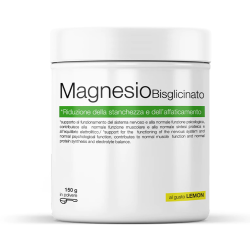
Powdered magnesium supplements are formulations designed to be dissolved or dispersed in water before consumption. They may be convenient for people who prefer a liquid preparation to capsules and tablets or who want to adjust the amount more easily according to the product instructions.
However, it is important not to confuse a powder with a product that is completely soluble. Magnesium carbonate is poorly soluble in water, so some of it may remain suspended, while other forms of magnesium in the blends may dissolve more easily.
Some commercial formulations, such as those sold under the name Magnesio Supremo, may use specific blends or combinations of ingredients. Their composition should not be taken for granted: it is necessary to check the ingredient list and preparation instructions on the packaging. Not all magnesium powders have the same composition or characteristics.
Tablets and the MINSAN code
Magnesium carbonate can also be used in solid formulations, such as tablets and capsules. These formats make it possible to take a predetermined amount of product and may be more convenient to carry and use when away from home.
The main advantage of tablets is convenience: each unit contains a defined amount of ingredients and makes it easier to follow the recommended directions. In this case too, however, it is important to check the elemental magnesium content, because the total weight of the tablet also includes the other components of the formulation.
The term MINSAN code refers to the identification code used in the medicines database and does not represent a chemical form of magnesium or indicate its bioavailability. Not all food supplements are medicines or have a MINSAN code.
Comparison with other magnesium salts
Magnesium can be included in supplements in the form of different salts, which vary in chemical composition, percentage of elemental mineral and solubility characteristics. These differences may affect the amount of magnesium available for intestinal absorption.
Carbonate is an inorganic salt and has limited solubility in water. In general, some more soluble organic forms may have greater bioavailability, but it is not possible to establish a ranking that applies to all products: dosage, formulation and individual characteristics also matter.
Magnesium citrate
Magnesium citrate is a salt formed by combining magnesium and citric acid. Compared with carbonate, it generally has greater solubility in water, a characteristic that may help make the mineral more available in the digestive tract.
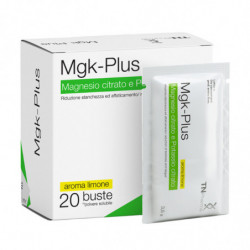
Citrate forms are often used in supplements and may be available as powders, tablets and capsules. As with other salts, the amount of elemental magnesium varies according to the compound's composition and should be checked on the label.
Citrate may also have a laxative effect, particularly when taken in large amounts or in formulations specifically intended to promote bowel movements. Individual tolerance is therefore an aspect to consider when choosing a product.
Magnesium pidolate and bisglycinate
Magnesium pidolate and magnesium bisglycinate are two forms used in food supplements, with chemical structures that differ from that of carbonate.
- Magnesium pidolate is a magnesium salt of pidolic acid;
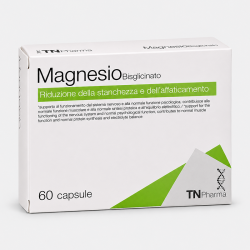
- Magnesium bisglycinate is a chelated form in which the mineral is bound to two glycine molecules.
Both belong to the organic formulations, but they do not have the same chemical characteristics and should not be considered equivalent.
Organic and chelated forms are often chosen for their solubility characteristics and the way the product is formulated. Some studies suggest differences in bioavailability between different salts, but the findings do not establish that one form is always better for everyone and every need.
Marine magnesium
The term marine magnesium generally refers to raw materials obtained from seawater through concentration and processing methods. It is not a single chemical salt: its composition may vary depending on the production process and the actual form of magnesium present in the product.
In some supplements, marine magnesium may consist mainly of inorganic compounds, such as magnesium oxide or hydroxide, while other formulations may use different salts. For this reason, the term "marine" alone does not make it possible to determine bioavailability or the amount of mineral absorbed.
To assess a product, it is therefore necessary to read its composition, check the chemical form used and verify the declared amount of elemental magnesium. Here too, marine magnesium should not automatically be considered superior to other formulations solely because of its origin.
Frequently asked questions
Is it beneficial to take magnesium carbonate every day?
Taking magnesium carbonate every day may be appropriate in certain situations, but it is not necessary for everyone. Whether it can be used daily depends on the amount of magnesium obtained from the diet, the supplement dosage, the formulation and the individual's health conditions.
The recommended daily magnesium intake for adults is approximately 300 mg for women and 350 mg for men according to European reference values. These amounts include magnesium from food and do not represent the quantity that must necessarily be taken through a supplement.
Excessive intake may cause diarrhoea, nausea and abdominal cramps. In people with kidney problems, the body may also have greater difficulty eliminating excess magnesium. Before using a supplement daily and for extended periods, it is therefore advisable to assess the dosage and individual circumstances.
What should not be taken together with magnesium carbonate?
Magnesium carbonate may interfere with the absorption of certain medicines and, in some circumstances, other minerals. Caution is particularly important with products used as antacids or supplements containing significant amounts of magnesium.
The main interactions to consider include:
- Tetracycline and quinolone antibiotics: magnesium can bind to certain active ingredients and reduce their absorption. It is necessary to follow the intervals specified in the package leaflet or by the pharmacist;
- Oral bisphosphonates: taking them at the same time may reduce the absorption of certain medicines used to treat osteoporosis;
- Other mineral supplements: taking high doses of several minerals at the same time may make it more difficult to manage overall intake and, in some cases, affect their absorption;
- Certain thyroid medicines: magnesium may interfere with levothyroxine absorption, so it is important to follow the time interval indicated by the doctor or in the package leaflet.
Magnesium-based antacids may also affect the absorption of other medicines. For this reason, it is generally advisable not to take other medicines immediately before or after them, while following the specific intervals recommended for each product.
Anyone receiving ongoing treatment, living with kidney disease or taking several supplements should ask a doctor or pharmacist for advice before introducing magnesium carbonate.
What is the chemical formula of magnesium bicarbonate?
The chemical formula of magnesium bicarbonate, also called magnesium hydrogen carbonate, is Mg(HCO₃)₂. It is a different compound from magnesium carbonate, whose formula is MgCO₃.
The difference concerns the ion present in the chemical structure: carbonate contains the CO₃²⁻ ion, whereas bicarbonate contains two hydrogen carbonate groups, HCO₃⁻, associated with one magnesium ion.
Magnesium bicarbonate is mainly found in aqueous solution, as it can form when water containing carbon dioxide comes into contact with magnesium-rich minerals. It should therefore not be confused with the ordinary magnesium carbonate powder used in certain supplement or antacid formulations.
How long does magnesium carbonate take to work?
The time needed to notice an effect depends on the product's intended use and formulation. When magnesium carbonate is included in an antacid medicine, neutralisation of acidity may begin soon after administration. How long the relief lasts varies depending on the product, the amount used and whether there is food in the stomach.
When taken as a supplement, however, you should not expect an immediate effect on energy, tiredness or muscle function. Magnesium contributes to these physiological processes, but the benefits of supplementation mainly depend on correcting an insufficient intake and may require an adequate period of use.
Magnesium carbonate is an inorganic salt with specific properties: it can be used as a source of magnesium in supplements and, in suitable formulations, as an antacid ingredient. Its low solubility in water distinguishes it from other salts and makes it important to carefully assess the formulation and the amount of elemental mineral provided. The choice of product and dosage should be suited to individual needs, without confusing nutritional supplementation with the treatment of gastric disorders.