- Health and wellness
- 1 views
- What is spirulina and what are its characteristics
- Spirulina: the origin and characteristics of the microalga
- Plant-based proteins and micronutrients
- Spirulina and wellbeing: what to consider
- The role of spirulina in everyday nutrition
- Spirulina and physical and mental fatigue: what to know
- How to include spirulina in a balanced diet
- Directions for use and precautions
- Frequently asked questions
- What is spirulina and what is it used for?
- What nutrients does spirulina contain?
- Is spirulina suitable for people following a vegan diet?
What is spirulina and what are its characteristics
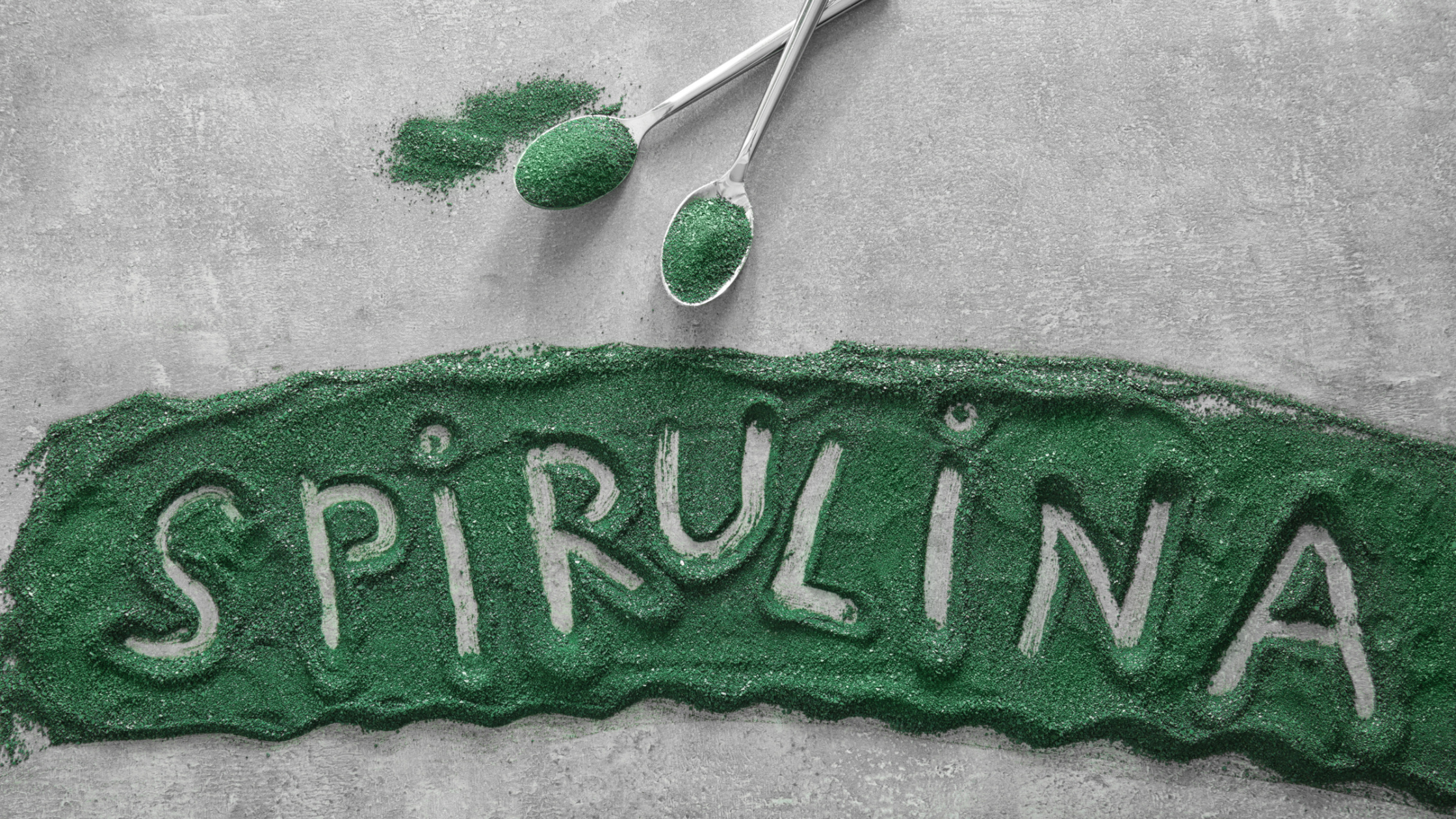
Spirulina is obtained from photosynthetic microorganisms commonly known as blue-green microalgae. It is used as a food ingredient because it contains proteins and other substances that occur naturally in its composition.
Spirulina is available in various forms, including powder, tablets and capsules. The choice depends on individual preferences and convenience. When comparing different products, it is useful to check the amount of spirulina per serving, any added ingredients and the product directions.
Spirulina: the origin and characteristics of the microalga
Spirulina has long been known and used as a food resource. Today, it is cultivated in controlled environments and used in the production of foods and dietary supplements.
Its characteristic blue-green colour is associated with the presence of natural pigments, including chlorophyll and phycocyanin. These compounds contribute to the characteristics of the raw material and are the subject of scientific research.
The quality of the final product also depends on cultivation conditions, processing and the checks carried out on the raw material. As with other naturally derived ingredients, it is important to choose products from reliable supply chains, since potential contamination can compromise product safety.
Spirulina should therefore not be assessed solely on the basis of its natural origin: quality, composition and directions for use must also be considered to understand its potential benefits.
Plant-based proteins and micronutrients: the nutritional profile
One of the best-known features of spirulina is its plant-based protein content. The dried raw material can have a high protein concentration relative to its weight, along with carbohydrates, lipids, pigments and other compounds. However, the actual nutritional profile depends on the product and the amount consumed.
Spirulina may contain various substances of nutritional interest, including:
- Proteins: they make up a significant part of the raw material and provide amino acids;
- Natural pigments: these include chlorophyll and phycocyanin, which contribute to the characteristics of the microalga;
- Minerals: these may be present in varying amounts depending on the raw material and production conditions;
- Other compounds: spirulina contains additional naturally occurring substances, whose contribution depends on the composition and the dose used.
It is important not to confuse the nutritional profile of spirulina powder with that of a dietary supplement containing only a limited amount per tablet.
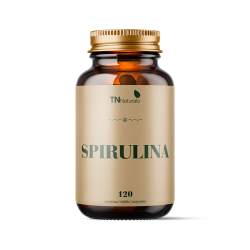
Tsunami Nutrition has developed the Spirulina 120 tablets by TN Naturals formula, which provides 500 mg of spirulina powder per tablet.
Another point concerns vitamin B12: spirulina should not be considered a reliable source of this vitamin, because the forms it contains may not be biologically available for use by the body.
Spirulina and wellbeing: what to consider
Spirulina is often chosen by people who want to supplement their diet with a naturally derived ingredient. However, its nutritional value should be assessed realistically: no single food or dietary supplement can replace a varied diet, adequate rest and a balanced lifestyle.
When evaluating spirulina, it is useful to distinguish three aspects: its nutritional profile, its potential role as a complement to the diet and any directions for use specific to the individual supplement.
The role of spirulina in everyday nutrition
Spirulina can be included in an everyday diet as a complementary ingredient, without treating it as a complete food or a substitute for other food groups. A balanced diet requires a variety of protein sources, vegetables, grains and fats, in proportions suited to individual needs.
In the case of Spirulina 120 tablets by TN Naturals, the formula is based on spirulina powder and, according to the product information, does not include an added vitamin or mineral complex. The product is also vegan, gluten-free and lactose-free.
These characteristics may help determine whether the product is compatible with certain dietary preferences. However, they do not mean that the supplement is necessary for everyone or that it can compensate for nutritional deficiencies. If a deficiency is suspected, it is advisable to consult a healthcare professional to identify the cause and assess the most appropriate course of action.
Spirulina and physical and mental fatigue: what to know
Spirulina is often associated with energy and vitality, especially during periods involving a demanding schedule or increased physical and mental effort. Spirulina 120 tablets by TN Naturals is presented as a dietary supplement intended to support general wellbeing during periods of tiredness.
It cannot be claimed that spirulina eliminates fatigue or necessarily improves concentration in everyone. Tiredness can have many causes, including insufficient sleep, an inadequate diet, stress, nutritional deficiencies or medical conditions.
To support energy and recovery in everyday life, it is useful to start with a few fundamental habits:
- Adequate nutrition: consume energy and nutrients in amounts that match your needs;
- Rest: maintain regular schedules and get enough sleep whenever possible;
- Physical activity: choose a level of movement that is compatible with your health and recovery needs;
- Managing commitments: alternate periods of activity with breaks and pay attention to signs of fatigue.
A dietary supplement should not be used to mask persistent or unexplained tiredness. If fatigue is severe, lasts a long time or occurs alongside other symptoms, it is advisable to consult a doctor to identify possible causes.
How to include spirulina in a balanced diet
Including spirulina in your routine means treating it as a complement rather than the main focus of your diet.
To help guide your choice, it is useful to check the following:
- Composition: check whether the product contains only spirulina or other ingredients as well;
- Amount per serving: assess how many milligrams of spirulina are present in the recommended daily serving;
- Directions for use: follow the manufacturer's instructions without increasing the dose on your own initiative;
- Raw material quality: choose products that provide clear information and undergo appropriate safety checks;
- Individual needs: consider any medical conditions, medications taken and other circumstances that may require professional advice.
Spirulina 120 tablets by TN Naturals is available in tablet form and contains 500 mg of spirulina powder per tablet. This format may be convenient for people who prefer a pre-dosed product.
It is important to remember that the supplement does not replace a varied and balanced diet. In addition, spirulina should not be considered a reliable source of vitamin B12 for vegans or a treatment for fatigue, deficiencies or other medical conditions.
Spirulina supplements: directions for use and precautions
Spirulina 120 tablets by TN Naturals recommends taking one tablet per day with a glass of water. Each tablet contains 500 mg of spirulina powder, with a declared 4.3 mg of chlorophyll per serving.
For storage, the product should be kept in a cool, dry place, away from sources of heat and direct sunlight, and out of reach of children under three years of age.
Before taking spirulina, it is advisable to consult a doctor or pharmacist if you have a medical condition, take medication, are pregnant or are breastfeeding. It is also important to choose products with verified quality controls, since raw materials based on cyanobacteria may be exposed to contamination by unwanted substances if production is not properly managed.
People following a vegan diet should also plan their vitamin B12 intake specifically, rather than relying on spirulina to meet their requirements.
Frequently asked questions
What is spirulina and what is it used for?
Spirulina is obtained from cyanobacteria and used as a food ingredient and in dietary supplements. It is valued for its protein content and the presence of pigments and other natural compounds. It can be included as a complement to a varied diet, but it does not replace a balanced diet or serve as a treatment for medical conditions.
What nutrients does spirulina contain?
Dried spirulina mainly contains proteins, as well as carbohydrates, lipids, pigments and minerals in varying amounts. Its nutritional profile depends on the raw material and the amount consumed. When evaluating a supplement, it is important to consider the actual amount of spirulina per serving, which may be much lower than the amounts used in nutritional studies.
Is spirulina suitable for people following a vegan diet?
Yes, spirulina can be compatible with a vegan diet when the product is labelled as suitable for this dietary pattern.
Spirulina 120 tablets by TN Naturals is labelled vegan. However, it is important not to consider it a reliable source of vitamin B12: people following a vegan diet should ensure they obtain this vitamin from fortified foods or a specific supplement.
What precautions should be taken before using spirulina?
Before taking spirulina, it is important to follow the recommended dose and choose products from reliable supply chains, such as Tsunami Nutrition. If you have a medical condition, take medication, are pregnant or are breastfeeding, you should seek advice from a healthcare professional. Spirulina does not replace a balanced diet and should not be used to self-treat persistent fatigue or other symptoms.
Spirulina is a naturally derived ingredient containing proteins and other compounds that can be included in a balanced diet. A supplement such as Spirulina 120 tablets by TN Naturals offers a convenient format, but its use should remain complementary to a varied diet and a healthy lifestyle.