- Health and wellness
- 0 views

- Physical and mental fatigue: which factors can affect energy
- Sleep, nutrition and stress in everyday life
- Physical activity and recovery: the importance of balance
- Cellular energy and well-being: the role of mitochondria
- How energy production works in the body
- Oxidative stress and ageing
- Natural extracts and well-being
- Shilajit and fulvic acid: characteristics and main components
- How to choose a supplement to support everyday vitality
- Frequently asked questions
- What role do mitochondria play in energy production?
- What is fulvic acid?
- What precautions should be taken before using a supplement based on natural extracts?
Physical and mental fatigue: which factors can affect energy
The energy we use throughout the day comes from physiological processes that enable the body to obtain energy from food and make it available for cellular functions.
However, our subjective sense of vitality does not depend solely on calorie intake: sleep, recovery, emotional well-being and health conditions can also influence how we cope with daily demands.
When fatigue is persistent, unusual or disproportionate to the activities performed, it is important not to automatically attribute it to stress or a lack of energy and to consult a doctor to assess its causes.
Sleep, nutrition and stress in everyday life
Sleep is essential for physical and mental recovery. Getting too little sleep or experiencing poor sleep quality can affect attention, mood, motivation and the ability to cope with daily demands.
Keeping regular hours, establishing an evening routine and limiting stimulating activities before bedtime can help improve sleep habits.
Nutrition also contributes to energy availability. An adequate intake of calories and nutrients enables the body to support its functions and everyday activities.
Factors to consider include:
- Regular meals: organise your diet in a way that suits your needs and activity level;
- Nutritional variety: include sources of carbohydrates, protein, fats, vitamins and minerals as part of a balanced diet;
- Hydration: drink enough to meet your needs, which may vary depending on the climate and your activity level;
- Stress management: alternate commitments with breaks and recovery periods, avoiding prolonged periods of excessive strain whenever possible;
- Sleep quality: maintain a consistent sleep routine and pay attention to signs of fatigue.
Stress can affect how fatigue is perceived and make it harder to recover between commitments. It is therefore helpful to adopt sustainable strategies, such as prioritising tasks, taking regular breaks and making time for enjoyable activities.
There is no single solution that works for everyone: the most suitable strategies depend on individual circumstances and needs.
Physical activity and recovery: the importance of balance
Regular physical activity contributes to overall well-being, but training intensity should be compatible with individual abilities and the time available for recovery. Alternating training stimuli with periods of rest helps manage physical workload more effectively and maintain a sustainable routine.
Insufficient energy intake or a training programme that leaves too little time for rest may contribute to persistent fatigue and a decline in training quality.
To maintain a balance between activity and recovery, it may be helpful to:
- plan workouts according to your level of fitness;
- alternate more demanding sessions with adequate recovery periods;
- adjust the workload when fatigue is greater than usual;
- pay attention to nutrition before and after physical activity according to individual needs;
- avoid overlooking persistent pain, unusual declines in performance or difficulty recovering.
If fatigue does not improve with rest or interferes with everyday life, it is advisable to seek medical advice before independently changing your diet or starting supplementation.
Cellular energy and well-being: the role of mitochondria
To understand how the body produces energy, it is useful to know the role of mitochondria, structures found in most cells and involved in numerous metabolic processes. They are often described as the cell's power plants because they participate in the production of ATP, a molecule that provides energy for many biological functions.
Mitochondrial function is important for tissues with high energy demands, such as muscles and the heart. Energy production is, however, a complex process involving several cellular systems, and it depends on the availability of nutrients and oxygen, as well as on multiple regulatory mechanisms.
Cellular well-being cannot be attributed to a single ingredient or a specific supplement. Nutrition, physical activity, rest and health conditions help create the environment in which normal metabolic processes take place.
How energy production works in the body
When we eat, the body converts food nutrients into forms that cells can use. Carbohydrates are broken down into simple sugars, fats into fatty acids and proteins into amino acids.
These compounds can be used in various metabolic processes, depending on the body's needs.
A significant part of ATP production takes place in the mitochondria through cellular respiration. In the presence of oxygen, products derived from nutrient metabolism fuel a series of reactions that generate chemical energy cells can use.
ATP is used in numerous activities, including:
- Muscle contraction: provides energy for the processes that allow muscles to contract and relax;
- Substance transport: contributes to the mechanisms that enable cells to maintain their internal balance;
- Molecule synthesis: supports numerous processes required to build and maintain cellular structures;
- Cellular functions: is used in various metabolic reactions essential to life.
Perceived vitality is also influenced by sleep, stress, emotional well-being, nutrition and individual health conditions. For this reason, a supplement should not automatically be considered effective against fatigue simply because it contains a substance studied in connection with energy metabolism.
Oxidative stress and ageing
Normal cellular metabolism also produces reactive oxygen species, commonly associated with the topic of free radicals. These molecules take part in physiological processes, but when their production exceeds the body's defence capacity, an imbalance known as oxidative stress may occur.
Oxidative stress is studied in relation to various biological processes, including those involved in ageing and certain pathological conditions. However, it is not accurate to regard it as the sole cause of ageing or as a phenomenon that can be eliminated by taking a single antioxidant ingredient.
The body has its own defence systems and also uses substances obtained through food. A varied diet rich in fruit and vegetables helps provide different nutritional compounds that contribute to maintaining normal physiological functions.
Supplements can be assessed according to their composition and individual needs, but they do not guarantee slower ageing or disease prevention.
Natural extracts and well-being
Some naturally derived ingredients are used in supplements intended to support vitality and psychophysical well-being. To assess them carefully, it is necessary to distinguish the characteristics of the raw material from the available evidence on the efficacy and safety of individual products.
One substance studied in this area is shilajit, a complex substance of plant-mineral origin. It is used in some formulations for well-being and vitality and is characterised by the presence of fulvic acids and other compounds.
Shilajit and fulvic acid: characteristics and main components
Shilajit has a complex composition and may contain fulvic acids, humic acids, other organic compounds and minerals in varying amounts.
Fulvic acid is a component of shilajit's organic fraction and is used to characterise or standardise certain extracts intended for supplements. It is neither a vitamin nor a single essential nutrient: it is a complex mixture of organic compounds.
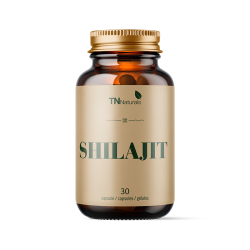
Tsunami Nutrition has developed Shilajit Pure Professional, a shilajit extract supplement in capsule form, providing 500 mg of shilajit extract per capsule, including 100 mg of fulvic acid. The product is also vegan, gluten-free and lactose-free.
The recommended intake is one capsule a day with a glass of water. It is important to follow the dosage stated on the label and not to consider the supplement a substitute for a varied, balanced diet or a healthy lifestyle.
How to choose a supplement to support everyday vitality
Choosing a supplement for energy and vitality should start with your own needs, without expecting a product to resolve fatigue on its own or compensate for unbalanced habits.
Factors to consider include:
- Transparent composition: check the ingredients and quantities declared per daily serving;
- Raw material quality: for complex extracts such as shilajit, choose purified products that undergo appropriate testing;
- Directions for use: follow the manufacturer's instructions without independently increasing the dosage;
- Suitability for your needs: consider whether the product is appropriate for your habits and health status;
- Caution about claims: be wary of statements promising immediate results, therapeutic effects or benefits that are the same for everyone.
For Tsunami Nutrition's Shilajit Pure Professional, the recommendation is not to exceed the suggested daily intake and to keep the product tightly closed in a cool, dry place, away from heat and moisture.
If fatigue is frequent or persistent, the priority is to understand its cause. A supplement should not delay a health assessment or replace any necessary treatment. The most effective support for everyday vitality starts with a balance between nutrition, sleep, physical activity and recovery.
Frequently asked questions
What role do mitochondria play in energy production?
Mitochondria are cellular structures involved in the production of ATP, the molecule the body uses as an immediate energy source for numerous functions.
They play an important role in nutrient metabolism and in the functioning of tissues with high energy demands, such as muscles.
What is fulvic acid?
Fulvic acid is a component of the organic fraction found in complex natural substances, including shilajit. It is not a single vitamin or an essential nutrient, but a group of organic compounds.
What precautions should be taken before using a supplement based on natural extracts?
It is important to check the composition, follow the recommended dosage and choose products made with tested raw materials. If you have a medical condition, take medication, are pregnant or are breastfeeding, consult a doctor before use.
For shilajit, purification and contaminant testing are particularly important because raw material may contain unwanted substances. Supplements do not replace a balanced diet, a healthy lifestyle or prescribed treatment.
Coping with demanding periods requires a balance between commitments, nutrition, sleep and recovery. Understanding the role of mitochondria and the characteristics of ingredients such as shilajit helps you assess supplementation options more carefully, without confusing research hypotheses with guaranteed benefits. A supplement should only be considered as part of a balanced routine suited to individual needs; if fatigue persists, it is important to consult a healthcare professional to identify its causes.