- Health and wellness
- 11 views

- The best vitamin D supplements for adults
- Best vitamin D drops
- How to choose vitamin D for adults
- How we evaluated the supplements
- Frequently asked questions
The best vitamin D supplements for adults
Choosing a vitamin D supplement should start with the amount actually provided in each dose, the form used and individual needs. The Tsunami Nutrition catalogue offers several vitamin D3 formulations, including products combined with vitamin K2.
This is not a ranking based on proven clinical superiority, but an overview of the available formulations, their respective features and directions for use.
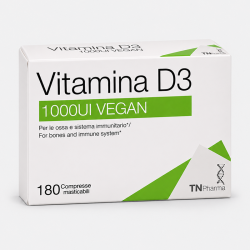
1. Vitamin D3 1000IU Vegan 180 chewable tablets
Vitamin D3 1000IU Vegan by TN Pharma is a supplement containing cholecalciferol, the D3 form of vitamin D. Each chewable tablet provides 25 µg of vitamin D3, equivalent to 1000 IU.
The pack contains 180 chewable tablets. The product is vegan, gluten-free and lactose-free, making it suitable for people following a plant-based diet or those who need to avoid these ingredients.
The recommended directions for use indicate taking one chewable tablet per day. The 1000 IU dosage is one of the options available in the TN Pharma range and can be assessed according to overall vitamin D intake and individual needs.
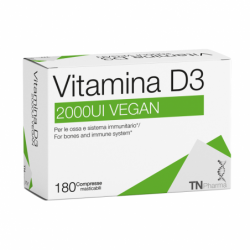
2. Vitamin D3 2000IU Vegan 180 chewable tablets
Vitamin D3 2000IU Vegan by TN Pharma contains 50 µg of vitamin D3, equivalent to 2000 IU, per tablet. This formulation is also available in a pack of 180 chewable tablets.
The product is vegan, gluten-free and lactose-free. The recommended directions for use indicate taking one tablet per day. Compared with the 1000 IU version, it provides twice the amount of vitamin D3 per serving.
It is important to remember that a higher dosage does not necessarily mean a product is more suitable: the amount of vitamin D to supplement depends on dietary intake, sun exposure and individual circumstances. For this reason, the appropriate dosage should be assessed with the support of a healthcare professional.
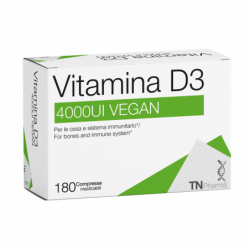
3. Vitamin D3 4000IU Vegan 180 chewable tablets
For those who need a higher amount of vitamin D3, TN Pharma offers Vitamin D3 4000IU Vegan. Each tablet provides 100 µg of cholecalciferol, equivalent to 4000 IU.
The pack contains 180 chewable tablets and the product is vegan, gluten-free and lactose-free. Unlike the other two formulations in the range, the label instructions recommend taking one tablet every two days.
This product requires particular attention to dosage: 100 µg corresponds to the tolerable upper intake level established by EFSA for adults, considering all sources of vitamin D. It is therefore not a dose to choose independently or combine with other vitamin D supplements without prior assessment.
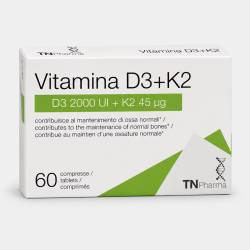
4. Vitamin D3 + K2 60 tablets
Vitamin D3 + K2 by TN Pharma combines two fat-soluble vitamins involved in maintaining bone health. Each tablet contains 50 µg of vitamin D3, equivalent to 2000 IU, and 45 µg of vitamin K2.
Vitamin D contributes to the normal absorption and utilisation of calcium and phosphorus, while vitamin K contributes to the maintenance of normal bones and normal blood clotting. This combination therefore makes it possible to supplement both nutrients in a single formulation.
Anyone taking vitamin K antagonist anticoagulants, such as warfarin or acenocoumarol, should consult their doctor before using products containing vitamin K2, as it may interfere with their treatment.
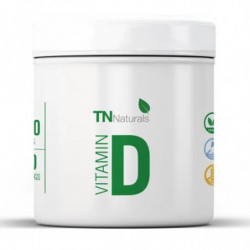
5. Vitamin D 100 tablets TN Naturals
Vitamin D 100 tablets by TN Naturals is a vitamin D3 supplement designed to contribute to the normal absorption and utilisation of calcium and phosphorus and to the maintenance of normal bones and muscle function.
The formulation provides 50 µg of vitamin D3, equivalent to 2000 IU, per daily serving of 2 tablets. The pack contains 100 tablets.
This product is another solid-format option for supplementing vitamin D3. As with other supplements, it is important to follow the directions on the label and consider total vitamin D intake from food and any other products being used.
Best vitamin D drops
Vitamin D is also available in liquid formulations, allowing you to take the nutrient through a set number of drops. This format may be a practical option for those who prefer to avoid tablets and capsules, provided attention is paid to the product concentration and the amount specified for each dose.
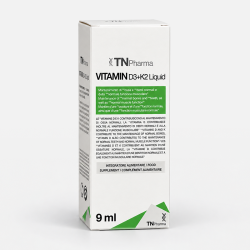
Vitamin D3 + K2 Liquid 9 ml
Vitamin D3 + K2 Liquid by TN Pharma is a liquid formulation combining vitamin D3 and vitamin K in a 9 ml bottle. The recommended daily serving is 5 drops, providing 25 µg of vitamin D3 and 60 µg of vitamin K.
The formulation contains sunflower oil, vitamin K in the form of menaquinone and vitamin D in the form of cholecalciferol. It is gluten-free and lactose-free.
This product is an alternative to tablet formulations for those who prefer a liquid supplement. The label instructions recommend taking 5 drops per day, preferably with a meal.
In this case too, the presence of vitamin K makes it important for anyone taking vitamin K antagonist anticoagulants to consult their doctor.
How to choose vitamin D for adults
When choosing a vitamin D supplement, it is important to consider several factors, including the form used, dosage, any nutrients combined with it and the format. There is no single best formulation for everyone: the choice depends on personal needs and the advice of a healthcare professional.
Molecular form: D3 or D2
The two main forms of vitamin D found in foods and supplements are vitamin D2 (ergocalciferol) and vitamin D3 (cholecalciferol).
Vitamin D2 is found mainly in certain plant sources, such as mushrooms exposed to ultraviolet light, while D3 is produced by the skin following sun exposure and is also found in some animal-derived foods.
Both contribute to increasing vitamin D levels in the body. D3 generally tends to maintain blood concentrations of 25-hydroxyvitamin D more effectively, particularly with regular supplementation. For this reason, cholecalciferol is widely used in supplements.
Dosage and daily requirements
Dosage is one of the most important factors to consider before purchasing a vitamin D supplement. The amount needed can vary depending on age, diet, sun exposure, health status and the nutrient's blood levels, where these have been assessed.
According to EFSA reference values, the adequate intake of vitamin D for adults is 15 µg per day, equivalent to 600 IU. This value assumes minimal skin synthesis and refers to total nutrient intake.
EFSA has also established a tolerable upper intake level for adults of 100 µg per day, equivalent to 4000 IU, considering all dietary sources and supplements. This is an upper safety limit, not a target to reach or a recommended dose for everyone.
In the presence of a confirmed deficiency, a doctor may recommend a specific dosage and duration, which may differ from general reference values. It is therefore best to avoid taking high amounts independently or combining several products containing vitamin D.
Synergy with vitamin K2 and calcium
Vitamin D contributes to the normal absorption and utilisation of calcium and phosphorus, two minerals that are important for maintaining normal bones. Vitamin K, in turn, contributes to the maintenance of normal bones and is involved in physiological processes involving certain bone tissue proteins.
For this reason, some formulations combine vitamin D3 with K2. This combination is interesting from a nutritional perspective, but it does not mean that everyone necessarily needs to take both vitamins or that the combination automatically guarantees greater benefits.
Calcium should be considered as part of the overall diet. Additional supplementation is not always necessary, especially when the diet already provides adequate amounts.
Choosing between drops, capsules and tablets
Vitamin D supplements are available in different formats, including drops, capsules and tablets. The choice mainly depends on personal preferences and ease of use.
- Drops: allow the product to be taken in liquid form and dosed according to the number of drops indicated on the label. It is important to check the vitamin D concentration per drop or serving;
- Capsules and tablets: provide a defined amount of vitamin D per unit and can be convenient to incorporate into a daily routine;
- Chewable tablets: are an alternative for those who prefer not to swallow whole tablets.
Vitamin D is fat-soluble, meaning it is absorbed together with dietary fats. For this reason, some formulations recommend taking it with a meal. However, no format is universally superior to the others: what matters is the product composition, directions for use and consistency of intake.
How we evaluated the supplements
To create this selection, we considered the products available in the Tsunami Nutrition category dedicated to vitamin D and checked their respective product pages. Only supplements that actually contain vitamin D and were available at the time of consultation were included.
The evaluation considered several factors:
- Vitamin D content: we selected products that list this nutrient in their composition, excluding generic multivitamins or unrelated formulations;
- Amount per serving: we compared the vitamin D values shown in the respective nutritional tables;
- Form used: we considered the presence of vitamin D3 and any combinations with vitamin K2;
- Format: chewable tablets, standard tablets, gummies and drops were included;
- Label information: we checked the directions for use and the characteristics declared by the manufacturers.
The products have different dosages and characteristics and should be assessed according to individual needs, rather than automatically choosing the one with the highest amount.
Frequently asked questions
What time of day is best to take vitamin D?
There is no single best time to take vitamin D. As it is a fat-soluble nutrient, taking it with a meal containing some fat may help support its absorption. It is still important to follow the directions on the product label and maintain a consistent routine.
What should not be taken together with vitamin D supplements?
There are no foods that need to be universally avoided when taking vitamin D. However, it is important to be careful when combining several supplements containing this nutrient, to avoid exceeding the recommended total amount.
Anyone taking medication or living with kidney disease or disorders of calcium metabolism should seek medical advice before starting supplementation. When using products combined with vitamin K2, particular caution is needed with vitamin K antagonist anticoagulants.
How long should you take vitamin D?
The duration of vitamin D supplementation depends on the reason for taking it, initial blood levels, the dosage used and individual circumstances.
In the presence of a deficiency, a doctor may recommend a treatment period and subsequent tests to assess the response. There is therefore no duration that applies to everyone: prolonged courses or high dosages should be avoided without specific medical advice.
Vitamin D supplements may be useful when dietary intake and skin synthesis are not sufficient to meet the body's needs. The choice should take into account the form of the vitamin, the amount per serving, the format and the possible presence of other nutrients such as vitamin K2.
The formulations available from Tsunami Nutrition have different features, ranging from chewable tablets with various dosages to products combining vitamin D3 and K2. The product with the highest dosage is not necessarily the best choice; the right one is the formulation that meets individual needs and the recommendations of a healthcare professional.