- Health and wellness
- 11 views

- The best vitamin C supplements
- Best 1000 mg vitamin C supplement
- Best vitamin C supplement in tablet form
- Best vitamin C supplement in powder form
- Best pure vitamin C supplement
- How to choose the best vitamin C supplement
- Methodology for evaluating vitamin C supplements
- Frequently asked questions
The best vitamin C supplements
Vitamin C, also known as ascorbic acid, is an essential micronutrient that contributes to the normal function of the immune system, protects cells from oxidative stress and supports collagen formation.
It is available in several formulations, ranging from traditional tablets and sustained-release products to gummies and supplements that combine it with other nutrients.
When choosing a product, it is important to consider the amount of vitamin C per serving, the form used, any additional ingredients and your individual needs.
The following selection includes ten products available in the Tsunami Nutrition vitamin C category: some mainly provide ascorbic acid, while others include it in multivitamin formulas or combine it with iron, collagen and plant extracts. This is not a ranking based on clinical effectiveness, but an overview of the different options available.
1. Vitamin C Pure 100 tabs by Tsunami Nutrition
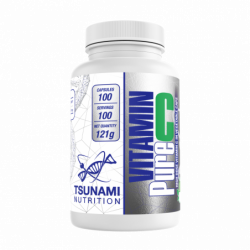
Vitamin C Pure is a single-ingredient supplement containing L-ascorbic acid, designed for those looking for a simple tablet formulation. Each tablet provides 1000 mg of vitamin C, without the addition of other vitamin complexes or plant extracts.
The pack contains 100 tablets, and the product is declared vegan, gluten-free and lactose-free. The manufacturer's directions recommend taking one tablet in the morning with a glass of water. It may be worth considering if you want a simple formulation providing a high amount of vitamin C per serving, while taking your overall daily requirements into account.
2. Vitamin C Pure Time Release 100 tabs by TN Naturals
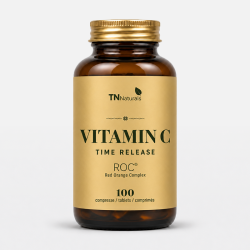
Vitamin C Pure Time Release is a tablet formulation featuring a sustained-release system. The daily serving of one tablet provides a total of 1000 mg of vitamin C, including 965 mg from ascorbic acid and 35 mg from rosehip extract.
The formula also contains 40 mg of citrus bioflavonoids, including 14 mg of hesperidin, and 25 mg of Red Orange Complex (ROC®), providing 2.5 mg of anthocyanidins. Sustained release is achieved through a hypromellose (HPMC)-based matrix that controls the release of the active ingredient. The product is declared vegan, gluten-free and lactose-free, and the recommended serving is one tablet per day with water.
It may appeal to those who prefer a formulation combining vitamin C with plant extracts and using controlled-release technology. This feature describes how the active ingredient is released, but does not automatically demonstrate clinical superiority over conventional tablets.
requirements.
3. Vitamin Strong Pure Professional 160 tabs by Tsunami Nutrition
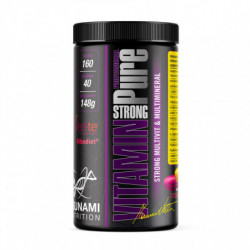
Vitamin Strong Pure Professional is a multivitamin and multimineral supplement combining several vitamins, minerals and specific ingredients. Vitamin C is included in the purple tablet and provides 300 mg per daily serving, consisting of two yellow tablets and two purple tablets.
The formula also includes vitamin E, B vitamins, vitamin A, vitamin D3, vitamin K2, iron, zinc, magnesium and other components, including the patented ingredients Ribodiet® and Veri-te™. According to the manufacturer's warnings, the product is declared vegan, gluten-free and lactose-free and is intended for adults only.
It may be worth considering if you are looking not only for vitamin C, but also for a combination of several micronutrients. Given its complex composition, it is important to check the amounts of vitamins and minerals already obtained from other supplements and avoid unnecessary overlap.
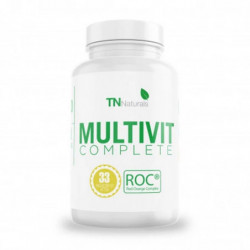
4. Multivit Complete 100 tabs by TN Naturals
Multivit Complete is a multivitamin and multimineral supplement that also contains vitamin C. The recommended daily serving is two tablets, providing 240 mg of vitamin C, together with calcium, magnesium, iron, vitamin E, niacin, zinc and other micronutrients.
The formula also contains taurine, creatine, inositol, coenzyme Q10, citrus bioflavonoids and plant extracts. It is therefore a product with a broader composition than a vitamin C-only supplement.
It may be considered by those looking for a multivitamin that also includes this nutrient. Before use, it is advisable to check the full nutritional information, especially if you already take other products containing vitamins and minerals. The packaging and its warnings should be used as the reference for directions of use.
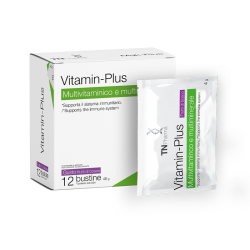
5. Vitamin-Plus 12 sachets by TN Pharma
Vitamin-Plus is a multivitamin and multimineral supplement in dissolvable sachets. Each sachet provides 80 mg of vitamin C, equal to 100% of the nutrient reference value stated on the label.
The formula also contains magnesium, niacin, vitamin E, pantothenic acid, iron, zinc, riboflavin, vitamin B6, vitamin B1, vitamin A, manganese, folic acid and other micronutrients. The sachet format may be convenient for those who prefer a drinkable preparation rather than tablets.
The presence of several vitamins and minerals makes it important to consider your overall dietary intake and any other supplements you use. For preparation instructions and the complete ingredient list, consult the official product information and the directions on the packaging.
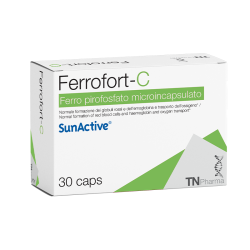
6. Ferrofort-C 30 caps by TN Pharma
Ferrofort-C combines vitamin C with SunActive® microencapsulated ferric pyrophosphate. The daily serving of one capsule provides 70 mg of vitamin C and 30 mg of iron. Vitamin C contributes to increased absorption of non-haem iron, which is found in plant foods and some supplement formulations.
The product is declared vegan, gluten-free and lactose-free. However, its iron content makes it different from a supplement intended exclusively to provide vitamin C: it is important to assess whether iron supplementation is actually needed and avoid unjustified intake.
Ferrofort-C may be considered when there is a specific need related to iron intake, to be assessed with a healthcare professional. It is not advisable to use an iron-containing supplement solely to obtain vitamin C, particularly when there is no documented nutritional need.
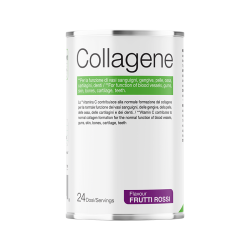
7. Collagen 240 g by TN Pharma
Collagen 240 g is a powder supplement combining hydrolysed bovine collagen and vitamin C. The recommended daily serving is 10 g, providing 5 g of collagen and 80 mg of vitamin C.
The formulation has a red berry flavour and is designed for those who want to combine collagen intake with vitamin C. The latter contributes to normal collagen formation, a structural protein found in the skin, bones, cartilage and blood vessels, among other tissues.
This product may be an option for those looking for a powder preparation containing both ingredients. However, it is not a pure vitamin C supplement: most of the formula consists of collagen and other components. The manufacturer recommends dissolving 10 g in 150–200 ml of water once a day.
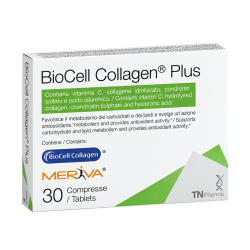
8. BioCell Collagen® Plus 30 tablets by TN Pharma
BioCell Collagen® Plus is a tablet formulation combining hydrolysed type II collagen, chondroitin sulphate, hyaluronic acid, vitamin C and Meriva™, an ingredient based on curcumin and soy phospholipids.
The recommended daily serving is two tablets, providing 80 mg of vitamin C, together with 1000 mg of BioCell Collagen®, including 600 mg of hydrolysed type II collagen, 200 mg of chondroitin sulphate and 100 mg of hyaluronic acid.
This is a combination product primarily intended to provide nutritional support for bones, skin and cartilage. Vitamin C contributes to normal collagen formation, but this formulation should not be confused with a single-ingredient ascorbic acid supplement. Anyone considering this product should take all its ingredients and their individual needs into account.
9. Skin-Nails 30 sachets by TN Pharma
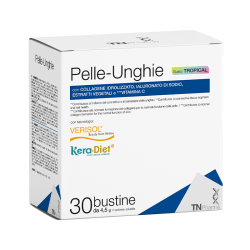
Skin-Nails is a powder supplement combining Verisol® hydrolysed collagen, Kera-Diet® hydrolysed keratin, horsetail extract, phlebodium extract, hyaluronic acid and vitamin C. The daily serving of one 4.5 g sachet provides 80 mg of vitamin C.
The formulation is designed to provide nutritional support for skin, hair and nails and also contains zinc, copper and biotin. It is declared gluten-free and lactose-free. The manufacturer recommends dissolving one sachet in 150 ml of water once a day.
It may be considered by those looking for a combination formula containing vitamin C and other ingredients intended to support tissue health. As with other collagen-based products, it is important to assess the entire composition rather than considering it a source of pure vitamin C.
Best 1000 mg vitamin C supplement
When looking for a 1000 mg supplement, it is important to check the actual amount of vitamin C per serving and distinguish the ascorbic acid content from any added plant extracts. A high dose is not automatically more suitable for everyone: requirements depend on diet and individual characteristics.
Vitamin C Pure 100 tabs
Vitamin C Pure is a simple formulation providing 1000 mg of vitamin C per tablet, in the form of L-ascorbic acid. It may appeal to those looking for a single-ingredient product with a defined amount per serving, without additional vitamin complexes or plant extracts.
The pack contains 100 tablets, and the product is declared vegan, gluten-free and lactose-free. The manufacturer's recommended serving is one tablet in the morning with a glass of water. Before use, it is important to check that the amount is appropriate for your dietary intake and any existing health conditions.
Best vitamin C supplement in tablet form
Tablets are a practical format for those who want a pre-measured serving that is easy to carry. When choosing between different formulations, it is useful to consider not only the amount of vitamin C, but also the presence of other ingredients and the technology used to release the active ingredient.
Vitamin C Pure Time Release 100 tabs
Vitamin C Pure Time Release is a sustained-release tablet formulation. The daily serving of one tablet provides 1000 mg of total vitamin C, supplied by ascorbic acid and rosehip extract. The formula also includes citrus bioflavonoids and Red Orange Complex®.
The time-release system uses a hypromellose (HPMC)-based matrix designed to control the release of the active ingredient over time. The product is declared vegan, gluten-free and lactose-free. It is an option to consider if you prefer a controlled-release formulation, without assuming that this feature automatically guarantees better clinical results than conventional tablets.
Best vitamin C supplement in powder form
Powder can be a practical format for those who prefer to dissolve a product in water or another beverage. However, the selected category does not appear to include a powder supplement containing only vitamin C: a combination formula with collagen that also provides ascorbic acid is available.
Collagen 240 g by TN Pharma
Collagen 240 g is a powder supplement providing 80 mg of vitamin C per 10 g serving, together with 5 g of hydrolysed bovine collagen. It may be considered by those who want to combine these two ingredients in a single preparation, but it should not be regarded as equivalent to a powder made exclusively from vitamin C.
The manufacturer recommends dissolving a 10 g serving in 150–200 ml of water and taking it once a day. Before purchasing, it is advisable to check the ingredients and warnings, especially if you have allergies or specific dietary requirements.
Best pure vitamin C supplement
Those looking for pure vitamin C may prefer a formulation containing mainly L-ascorbic acid, without other vitamin or mineral complexes or plant extracts. However, it is important to remember that a pure formula does not automatically make a high dose necessary: the amount should be assessed according to individual requirements and the intake already provided by the diet.
Vitamin C Pure 100 tabs
Vitamin C Pure is the product in this selection with the simplest composition: each tablet contains 1000 mg of L-ascorbic acid, in addition to the excipients needed to make the tablet. It does not contain a complex of other micronutrients or plant extracts and is declared vegan, gluten-free and lactose-free.
This feature may be interesting for those who want to know precisely which source of vitamin C is present in the product. The choice should still take into account the amount per serving, the manufacturer's directions and your nutritional needs.
How to choose the best vitamin C supplement
The best vitamin C supplement is not necessarily the one with the highest dose or the largest number of ingredients. The choice should start with your goal, usual dietary intake and the characteristics of the formulation. It is useful to distinguish single-ingredient products from combination formulas, which may also provide other nutrients.
Before purchasing, it is advisable to read the nutritional information and ingredient list carefully, checking the amount of vitamin C per serving, the form used, any additional components and the warnings.
Molecular form and bioavailability
The most common form used in supplements is L-ascorbic acid, the form of vitamin C also used by the body. It is a water-soluble substance absorbed in the intestine through specific transporters. Absorption is generally efficient at moderate doses, while the percentage absorbed tends to decrease as the amount taken increases significantly.
In addition to conventional ascorbic acid, there are formulations using mineral ascorbate salts, sustained-release products and liposomal delivery systems. These technologies are being studied for their potential to modify certain characteristics of vitamin absorption and availability.
Liposomal vitamin C, for example, uses lipid structures that surround ascorbic acid. An exploratory review published in 2025 found higher bioavailability compared with non-liposomal ascorbic acid in most of the included studies. However, the authors point out that the formulations, doses and protocols varied considerably and that further data are needed to determine whether greater absorption translates into tangible clinical health benefits.
It is important not to automatically consider a more expensive or technologically advanced formulation superior for every person and every goal.
Dosage and sustained-release formulations
The amount of vitamin C to take depends on individual requirements and dietary intake. For adults, the nutrient reference value used in European labelling is 80 mg per day. This value helps interpret the NRV percentages shown on packaging, but it does not represent a mandatory supplement dose for everyone.
Available supplements may contain different amounts, ranging from doses close to the reference value to formulations providing 1000 mg per tablet. A high dose is not automatically more effective: the body regulates vitamin C absorption and elimination, so an amount far above requirements does not guarantee a proportional benefit.
Sustained-release formulations are designed to release the active ingredient gradually through specific matrices or excipients. This feature may alter the release profile, but the evidence does not support the conclusion that every time-release product is clinically superior to a conventional formulation.
When choosing an appropriate dose, it is useful to consider the vitamin C already obtained from fruit and vegetables, the amount present in any multivitamins and the directions on the label. If a deficiency has been diagnosed or specific conditions are present, the dosage should be determined by a healthcare professional.
Gastrointestinal tolerability and ingredient purity
Vitamin C is generally well tolerated at the amounts commonly obtained through food. However, high supplemental doses may cause gastrointestinal discomfort, such as nausea, abdominal cramps and diarrhoea. Tolerability may vary depending on the amount taken at one time, the formulation and individual sensitivity.
Those who tend to experience digestive discomfort can ask their doctor whether a different formulation may be appropriate or whether intake should be divided according to the product directions. It is not advisable to increase or change the dose independently in an attempt to achieve a greater effect.
Ingredient purity is another factor to consider. It is useful to check the source of vitamin C, the presence of excipients, flavourings, sweeteners and other components, as well as the information provided by the manufacturer. In the case of allergies or intolerances, it is particularly important to check the complete ingredient list and allergen warnings.
People with haemochromatosis or other conditions characterised by excessive iron accumulation should consult their doctor before taking high doses of vitamin C, because this vitamin promotes iron absorption. The same caution applies to people with kidney disease, a predisposition to kidney stones or those taking medication that requires specific assessment.
Methodology for evaluating vitamin C supplements
The selection of the ten products featured in this guide was based on the Tsunami Nutrition vitamin C category and the corresponding official product information. This is not a ranking based on clinical studies comparing the products, but an overview of formulations that provide vitamin C and differ in composition, format and the presence of other ingredients.
The following criteria were considered when organising the comparison:
- Amount of vitamin C: milligrams declared per daily serving, distinguishing vitamin C content from that of other ingredients;
- Form and format: L-ascorbic acid, sustained release, tablets, capsules, sachets or gummies;
- Composition: vitamin C as the main ingredient or as part of multivitamin or combination formulas;
- Additional ingredients: any plant extracts, minerals, iron or collagen, considering the overall purpose of the formulation;
- Directions for use: daily serving, preparation instructions and warnings provided by the manufacturer;
- Dietary requirements: information relating to gluten, lactose and other ingredients or allergens.
To make an informed choice, it is important to compare product information, assess your dietary intake and consider any health conditions. Formulation details may also change, so it is always advisable to check the updated label before purchasing.
Frequently asked questions
Which form of vitamin C is most easily absorbed by the body?
L-ascorbic acid is the form of vitamin C used by the body and is generally well absorbed at moderate amounts. Alternative formulations are also available, such as mineral ascorbates, sustained-release products and liposomal vitamin C, which have been studied for their absorption and tolerability characteristics.
Some studies have found higher bioavailability for certain liposomal formulations compared with conventional ascorbic acid. However, differences between products and research protocols do not allow us to conclude that one form is always the best or that greater absorption automatically guarantees better clinical outcomes.
The choice therefore depends on the amount per serving, tolerability, composition and individual needs. For most people, conventional ascorbic acid is a suitable form for supplementing vitamin C intake when necessary.
Is it beneficial to take vitamin C every day?
Vitamin C is an essential nutrient and should be obtained regularly through the diet because the human body cannot produce it independently. Fruit and vegetables, including citrus fruits, kiwis, strawberries, peppers and broccoli, can help meet daily requirements.
Supplementation may be considered when dietary intake is insufficient or when there is a specific indication. Any supplementation should take into account the amount already obtained from food and other products being used.
Vitamin C contributes to the normal function of the immune system and protects cells from oxidative stress, but this does not mean that high doses automatically prevent infections or proportionally strengthen the body's defences.
What is the best time of day to take vitamin C?
There is no single best time of day to take vitamin C. The choice may depend on the formulation, the directions on the label and individual tolerability. Some people prefer taking it in the morning, while others take it with a meal, particularly if higher doses cause stomach discomfort.
Vitamin C is water-soluble and does not necessarily need to be taken with a meal to be absorbed. It is still important to follow the recommended serving and avoid taking large amounts without a specific reason. If the product has particular directions for use, it is advisable to follow the manufacturer's instructions.
What are the benefits of taking vitamin C and collagen together?
Vitamin C contributes to the normal formation of collagen, a structural protein found in the skin, bones, cartilage, blood vessels, gums and teeth. From a biochemical perspective, it is necessary for the proper functioning of certain enzymes involved in collagen maturation, including prolyl hydroxylase and lysyl hydroxylase.
Collagen obtained through supplements, on the other hand, provides peptides and amino acids that are digested and used by the body according to its needs. Combining vitamin C and collagen may therefore be a nutritionally consistent choice for those interested in connective tissue, but it does not automatically guarantee improvements in skin or joint function.
The choice should take into account the amount of collagen and vitamin C per serving, the overall composition and individual needs.
Vitamin C is an essential nutrient involved in the normal function of the immune system, the protection of cells from oxidative stress and collagen formation. Available supplements may differ in quantity, format and additional ingredients: from ascorbic acid tablets and sustained-release formulations to products combined with collagen, iron or other micronutrients. When choosing among the best vitamin C supplements, it is important to start with your individual requirements, check the composition and assess tolerability.