- Health and wellness
- 18 views
- What Is Tryptophan
- What Does Tryptophan Do
- Mood Regulation and Serotonin Synthesis
- Improving Sleep and Nighttime Rest
- Tryptophan Sources and Intake
- Foods Rich in Tryptophan
- L-Tryptophan Supplements
- Frequently Asked Questions
- What Are the Contraindications of Tryptophan?
- What Are the Main Symptoms of Serotonin Deficiency?
- What Is 5-HTP Derived from Griffonia Used For?
What Is Tryptophan
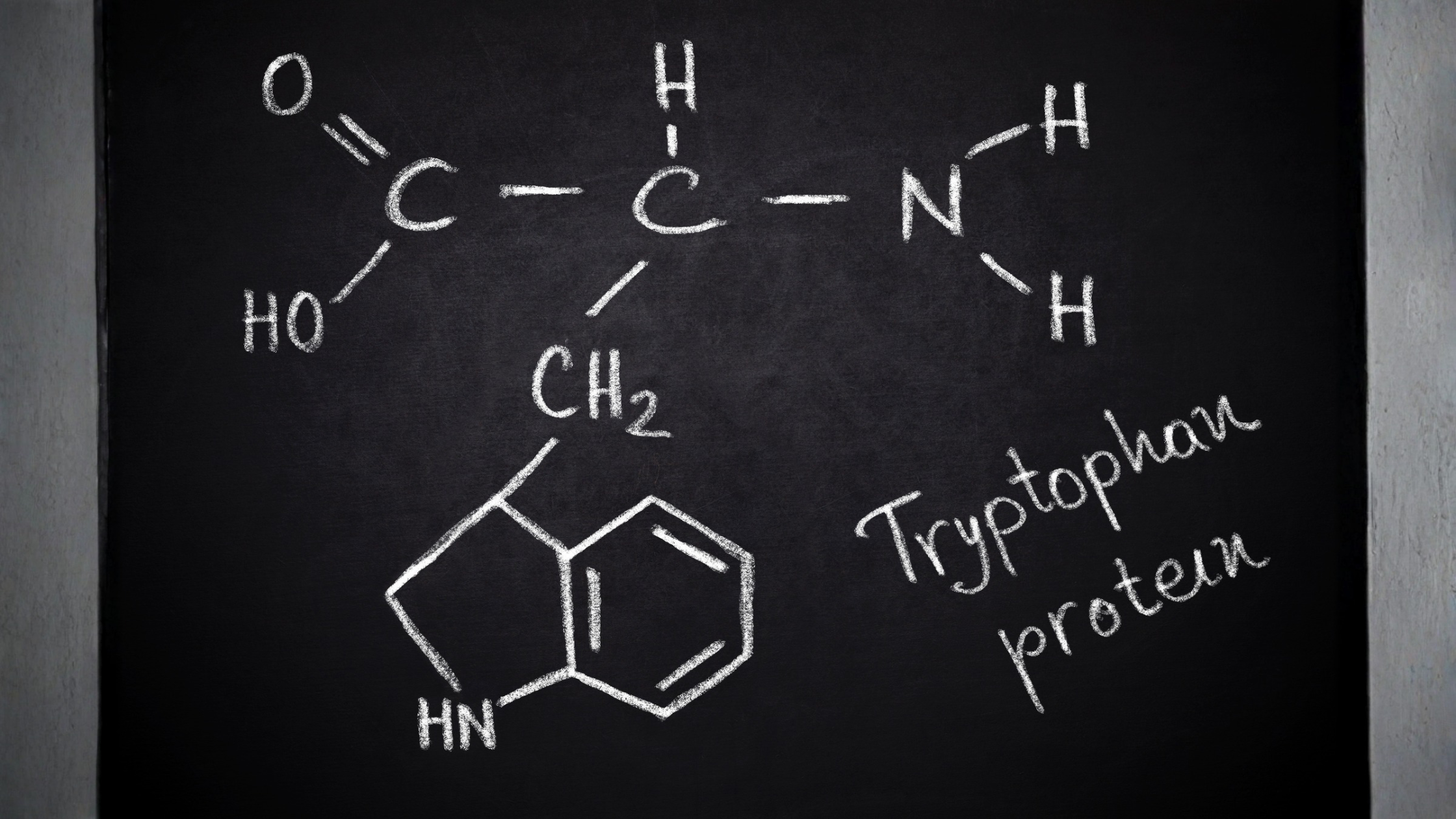
Tryptophan is one of the nine essential amino acids for humans. This means that the body cannot produce it independently in sufficient quantities to meet its needs, so it must obtain it from food containing protein.
Like other amino acids, tryptophan contributes to protein synthesis, which is necessary for building and renewing the body's tissues. It is also distinguished by its role as a precursor of certain biologically active molecules. These include serotonin, a neurotransmitter involved in various nervous system functions, and melatonin, a hormone that helps regulate the sleep-wake cycle.
Tryptophan is also involved in other metabolic pathways: some of it can be used to produce niacin, or vitamin B3, which is necessary for numerous cellular reactions. The conversion of tryptophan into these molecules depends on several biochemical steps and the availability of other nutrients.
What Does Tryptophan Do
Tryptophan performs several functions, both as a component of proteins and as a precursor of molecules involved in communication between cells and the regulation of certain physiological processes. Its connection with serotonin and melatonin underlies the interest in its potential role in mood and nighttime rest.
However, these relationships are more complex than a simple direct link between the amount consumed and the outcome. The production and activity of neurotransmitters depend on numerous factors, including individual metabolism, the availability of other nutrients and the body's overall functioning. For this reason, tryptophan should not be considered a standalone solution for mood or sleep disorders.
Mood Regulation and Serotonin Synthesis
Tryptophan is a precursor of serotonin, a neurotransmitter that enables nerve cells to communicate and participates in various physiological processes. Serotonin is involved in regulating mood, appetite, sleep and other functions. Its activity is not limited to the brain, since a significant proportion of the body's serotonin is produced and used in the intestines.
In the central nervous system, tryptophan crosses the blood-brain barrier and can be converted into 5-hydroxytryptophan, abbreviated as 5-HTP, and subsequently into serotonin. This metabolic pathway requires specific enzymes and cofactors.
Because serotonin contributes to emotional regulation, tryptophan has also been studied in relation to psychological well-being as a potential supplement for anxiety. However, it is not correct to conclude that taking more tryptophan automatically improves mood or that it can replace the assessment and treatment of anxiety disorders or depression.
It is important to distinguish information about general well-being from therapeutic guidance. If persistent anxiety or symptoms interfere with daily life, it is advisable to consult a healthcare professional.
Improving Sleep and Nighttime Rest
Tryptophan is also involved in the production of melatonin, a hormone that helps regulate the circadian rhythm, meaning the alternation between sleep and wakefulness over a 24-hour period. Melatonin is synthesized from serotonin, and its production varies in response to environmental signals, particularly the alternation between light and darkness.
The metabolic pathway linking tryptophan, serotonin and melatonin explains why this amino acid is often associated with supplements for nighttime rest. The response also depends on the body's regulatory processes, daily habits and the possible causes of sleep disturbances.
To support good sleep quality, it is useful to consider several factors, including regular sleep schedules, exposure to daylight, reducing bright light in the evening and maintaining a suitable sleeping environment. If difficulty falling asleep or nighttime awakenings persist, it is important to assess the possible causes rather than relying exclusively on a supplement.
Tryptophan Sources and Intake
Tryptophan is naturally found in many protein-containing foods. A varied diet can include both animal and plant sources, providing this amino acid alongside other nutrients the body needs.
The amount present in foods varies according to the raw ingredient, serving size and composition of the product. It is therefore unnecessary to focus on a single food. Under normal circumstances, the priority is to maintain an overall adequate diet, with sufficient protein intake and a good variety of food sources.
Foods Rich in Tryptophan
Foods that provide tryptophan include various protein sources of both animal and plant origin. This amino acid is not limited to any particular food category: it can be obtained through a suitably planned omnivorous, vegetarian or vegan diet.
The main dietary sources include:
- Eggs: provide protein containing tryptophan and other essential amino acids;
- Meat and poultry: chicken and turkey, like other meats, contribute to protein and tryptophan intake;
- Fish: various species provide protein containing this amino acid;
- Milk and dairy products: milk, yogurt and cheese can contribute to dietary tryptophan intake;
- Legumes and soy: beans, lentils, chickpeas and soy-based products are plant-based protein sources;
- Seeds and nuts: pumpkin seeds, sesame seeds, sunflower seeds and peanuts contribute to tryptophan intake.
The amount actually consumed depends on the serving size and the food's composition. Moreover, tryptophan content is not the only criterion for assessing a food's nutritional quality. It is also important to consider its overall protein profile, other nutrients and role in the diet.
L-Tryptophan Supplements
L-tryptophan supplements provide the form of the amino acid used by the body in normal biological processes. They are available in different commercial formulations, but composition, amount per serving and directions for use may vary from one product to another. It is therefore important to refer to the information on the label and not automatically apply one product's instructions to another.
These supplements are often marketed in connection with relaxation and nighttime rest, based on tryptophan's role in serotonin and melatonin synthesis. However, the involvement of an amino acid in a metabolic pathway does not, by itself, demonstrate that supplementation produces a significant clinical benefit. Evidence of effectiveness may vary depending on the intended outcome and does not allow the same results to be guaranteed for everyone.
Particular care is necessary when taking medication. Tryptophan may interact with medicines that affect the serotonin system, including certain antidepressants. This combination should not be started independently because, in certain circumstances, it may increase the risk of adverse effects, including a potentially serious condition called serotonin syndrome. Professional advice should also be sought before use during pregnancy or breastfeeding, or in the presence of medical conditions.
Frequently Asked Questions
What Are the Contraindications of Tryptophan?
The contraindications of tryptophan depend on the formulation used, the amount taken, individual circumstances and, above all, whether the person is taking medication. Tryptophan obtained through food is part of normal nutrition; the main precautions concern concentrated intake through supplements.
Possible adverse effects include gastrointestinal disturbances, nausea, drowsiness or other symptoms, with tolerability varying from person to person. A supplement should not be considered risk-free simply because it contains an amino acid that is also found in food.
It is advisable to seek healthcare advice during pregnancy and breastfeeding, in the presence of medical conditions or when taking multiple supplements.
If unusual symptoms occur after taking the supplement, it is advisable to stop using it and seek guidance from a healthcare professional. If symptoms are severe or progress rapidly, seek medical assistance promptly.
What Are the Main Symptoms of Serotonin Deficiency?
The main symptoms attributed to serotonin deficiency may include mood changes, sleep difficulties, changes in appetite and increased irritability. However, these signs are nonspecific: they may result from numerous physical and psychological conditions and do not allow someone to determine independently that their serotonin levels are low.
Serotonin is involved in several bodily processes, but its activity cannot be reliably assessed based on symptoms alone. Furthermore, serotonin in the blood or intestines is not a direct measure of the amount or activity of the neurotransmitter in the brain. For this reason, the term “serotonin deficiency” should not automatically be used to explain every emotional or sleep-related difficulty.
If sadness, loss of interest, anxiety, insomnia or significant changes in appetite persist, it is advisable to consult a healthcare professional to assess possible causes and identify appropriate support. It is not advisable to try to correct these symptoms independently by taking tryptophan or other products that affect the serotonin system.
What Is 5-HTP Derived from Griffonia Used For?
5-HTP, or 5-hydroxytryptophan, is a compound the body produces from tryptophan and represents the metabolic step immediately preceding serotonin formation. It is also used in some supplements and is often associated with Griffonia, a plant whose seeds naturally contain this substance.
The main difference between tryptophan and 5-HTP therefore concerns their position in the metabolic pathway: tryptophan is an essential amino acid, whereas 5-HTP is an intermediate derivative in serotonin synthesis. This biochemical connection explains the interest in 5-HTP supplements for mood and sleep support, but it does not automatically demonstrate that taking them is effective or necessary.
Tryptophan is an essential amino acid required for protein synthesis and involved in the production of serotonin, melatonin and other molecules that are important for the body. It is found in many foods of both animal and plant origin and, under normal circumstances, a varied and balanced diet helps provide adequate amounts.
L-tryptophan and 5-HTP supplements may attract interest for relaxation and sleep support, but they do not guarantee specific benefits and cannot replace a healthcare assessment when persistent disorders are present. Before considering supplementation, it is important to take individual needs into account, read the warnings and check for possible interactions with medicines and other substances.