- Health and wellness
- 45 views

- Why take vitamin D3 and K2 together?
- Vitamin D3 and K2: recommended daily dosage
- How and for how long to take them
- Contraindications and side effects
- Frequently asked questions
Why take vitamin D3 and K2 together?
Vitamin D3 and vitamin K2 perform different but complementary functions in the body.
- Vitamin D3: also known as cholecalciferol, it promotes the intestinal absorption of calcium and helps maintain adequate calcium and phosphorus concentrations in the blood. These minerals are essential for the normal mineralisation of bones and teeth;
- Vitamin K2: belonging to the vitamin K family and found in several forms known as menaquinones, it is involved in activating certain vitamin K-dependent proteins. These include osteocalcin, which is involved in bone metabolism, and matrix Gla protein (MGP), which is being studied for its role in regulating tissue calcification.
This explains the interest in combining the two vitamins: while D3 helps regulate calcium availability and absorption, vitamin K contributes to the activation of proteins involved in its use in body tissues. However, it is important to clarify that there is no evidence that taking D3 and K2 together prevents arterial calcification or automatically prevents cardiovascular diseases. Research into this combination is still developing and does not allow us to attribute certain preventive effects to it.
In general, supplementation may be considered when dietary intake or the skin's production of vitamin D is insufficient, or when there is a specific medical indication. However, it is not necessary to automatically combine K2 with every vitamin D3 supplement: the choice should take individual circumstances and any ongoing medication into account.
Vitamin D3 and K2: recommended daily dosage
The daily dosage of vitamin D3 and K2 is not the same for everyone, and there is no single amount that applies to every combined supplement. It is necessary to distinguish nutritional reference values from the doses used to correct a deficiency or address specific needs.
- For vitamin D: EFSA indicates an adequate intake of 15 µg per day, equivalent to 600 IU, for adults, taking limited skin synthesis into account. Actual requirements may vary according to sun exposure, age, diet and other individual factors.
- For vitamin K: EFSA has established an adequate intake of 70 µg per day for adults. This value refers to vitamin K as a whole, but the European reference was established mainly on the basis of vitamin K1 (phylloquinone). There is therefore no separate official dosage for K2 alone or for its MK-7 form.
Another important parameter is the tolerable upper intake level for vitamin D. For adults, this is 100 µg per day, equivalent to 4,000 IU, taking total intake from food and supplements into account. This is not a recommended dose to aim for, but a safety limit for the general population: higher amounts may be used only in specific circumstances and under medical supervision.
Requirements in tablets and capsules
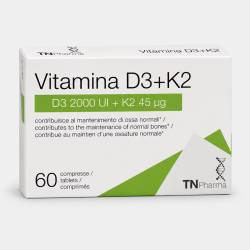
Vitamin D3 and K2 supplements in tablets and capsules allow you to take a defined amount of each nutrient. Concentrations can vary considerably from one formulation to another: some products contain a few hundred IU of vitamin D3, while others provide higher doses combined with varying amounts of vitamin K2.
To assess a product correctly, it is important to read the nutritional information and check:
- Amount of vitamin D3: this may be expressed in micrograms (µg) or international units (IU). One microgram of vitamin D3 is equivalent to 40 IU;
- Amount of vitamin K2: this is generally indicated in micrograms and may be present in different forms, such as MK-4 or MK-7;
- Daily serving: check whether the stated amounts refer to one tablet, one capsule or the entire recommended daily dose;
- Other ingredients: it is useful to check for additional vitamins, minerals or components that may contribute to overall intake.
The MK-7 form, or menaquinone-7, is widely used in supplements because it remains in the bloodstream for a relatively long time compared with some other forms of vitamin K. However, this pharmacokinetic characteristic does not demonstrate universal clinical superiority over all other forms of K2.
When choosing a dosage, any other products already being used should also be taken into account. Taking a multivitamin, a vitamin D3 supplement and a combined K2 formulation at the same time may result in overlapping amounts of the same nutrient without any real need.
Daily dosage in drops
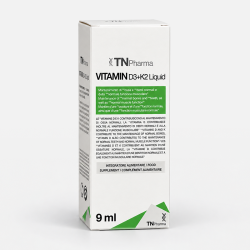
Vitamin D3 and K2 in drops are an alternative to tablets and capsules, particularly for those who prefer a liquid formulation or want greater flexibility when measuring their dose. The concentration may vary according to the formulation and the volume of each drop.
To calculate the intake correctly, you should therefore check:
- Concentration per drop: this indicates the amount of vitamin D3 and K2 contained in each individual drop;
- Amount per millilitre: this helps you understand the overall concentration of the product, but does not replace the information relating to each individual drop;
- Dosage method: use the dropper or dispenser provided, following the instructions on the packaging;
- Recommended intake: the number of drops should comply with the dose indicated by the manufacturer or healthcare professional.
If drops and other supplements are used at the same time, the daily amounts of vitamin D3 and K2 must be added together to avoid overlapping intake. In the event of a diagnosed deficiency, a doctor may recommend a dose different from the one normally used for maintenance.
How and for how long to take them
Vitamin D3 and K2 can be taken daily when supplementation is indicated and the dosage is appropriate. As both are fat-soluble vitamins, they are absorbed together with dietary fats and can be included in your routine with a meal.
There is no standard duration that applies to everyone. The supplementation period depends on the reason for starting it, vitamin D levels, sun exposure, diet and any conditions that affect nutrient absorption or metabolism.
Best time of day to take them
There is no universally best time to take vitamin D3 and K2. Choosing between morning, lunchtime and evening does not appear to make any substantial difference to the effectiveness of supplementation, provided that the recommended method of use and dosage are followed.
As both are fat-soluble, it may be useful to take them with a meal containing some fat. This helps the absorption of fat-soluble vitamins compared with taking them on an empty stomach, although there is no need to eat particularly high-fat meals.
To make supplementation easier and more consistent, you can choose a time of day when it is easy to remember to take the product. For example:
- At breakfast: this may be a practical option if the meal includes foods containing fat, such as yoghurt, nuts or eggs;
- At lunch: this allows you to take the supplement with a complete meal, following the instructions on the packaging;
- At dinner: this may be equally suitable, provided that the product's recommended method of use is followed.
If both vitamins are contained in the same supplement, they can be taken together in a single serving. If separate formulations are used, you can follow the specific instructions for each product.
Recommended duration of supplementation
The duration of vitamin D3 and K2 supplementation depends mainly on individual requirements and the purpose of taking them. There is no maximum duration that applies to everyone, nor is there a rule requiring supplementation to be stopped periodically after a certain number of weeks.
When a vitamin D deficiency is diagnosed, a doctor may prescribe treatment at specific doses for a defined period, potentially followed by a maintenance dose. The duration depends on the initial level of 25-hydroxyvitamin D in the blood, the individual's response and the presence of factors that contribute to the deficiency.
In other situations, supplementation may be used for longer periods to prevent a deficiency, particularly in people with risk factors such as:
- Limited sun exposure: people who spend a lot of time indoors or regularly cover most of their skin may produce lower amounts of vitamin D;
- Older age: as we age, the skin's ability to synthesise vitamin D through sun exposure may decrease;
- Intestinal malabsorption: certain conditions can impair the absorption of fat-soluble nutrients;
- Specific health conditions: some liver or kidney conditions may affect vitamin D metabolism;
- Certain medications: some medicines can alter the absorption or metabolism of the vitamin.
During prolonged treatment, particularly when doses higher than those normally used for maintenance are taken, a doctor may consider monitoring 25-hydroxyvitamin D and calcium levels in the blood. This makes it possible to assess the response to supplementation and avoid excessive intake.
No maximum duration of use has been established for vitamin K2. However, its use should also be consistent with individual requirements and take any ongoing medication into account, particularly medicines that interfere with blood clotting.
Contraindications and side effects
Vitamin D3 and K2 are generally well tolerated when taken in appropriate amounts. However, the use of high-dose supplements, certain medical conditions or combination with specific medications may increase the risk of unwanted effects.
The main concern relates to vitamin D3: excessive and prolonged intake can cause hypervitaminosis D and hypercalcaemia, meaning an abnormally high concentration of calcium in the blood. This risk is mainly associated with high amounts taken through supplements, not with normal sun exposure or the usual consumption of foods containing vitamin D.
Symptoms of excess vitamin D include:
- Nausea and vomiting: these may occur in the presence of hypercalcaemia and may be accompanied by loss of appetite;
- Constipation and gastrointestinal disorders: these may occur alongside abdominal pain or discomfort;
- Intense thirst and increased urination: hypercalcaemia may disrupt fluid balance and increase urine production;
- Muscle weakness and fatigue: these may be associated with excess calcium in the blood;
- Kidney stones and kidney damage: in more severe cases, altered calcium metabolism may contribute to kidney complications.
Vitamin K2, on the other hand, has a low potential for toxicity, and no tolerable upper intake level has been established. This does not mean that any dose is automatically appropriate: it is still necessary to follow the product instructions and consider possible drug interactions.
One of the main contraindications concerns the combination of vitamin K with vitamin K antagonist anticoagulant medications, such as warfarin and acenocoumarol. Vitamin K may interfere with their effects and alter blood clotting. Anyone taking these medicines should not start, stop or change their intake of K2-containing supplements without consulting a doctor.
If suspicious symptoms occur or if you have conditions affecting the kidneys, liver or calcium metabolism, it is preferable to avoid taking high doses without medical advice. A healthcare professional can assess whether supplementation is appropriate and recommend any monitoring during treatment.
Frequently asked questions
How much vitamin K2 should you take per day?
There is no separate official daily requirement established specifically for vitamin K2. EFSA indicates an adequate intake of 70 µg of vitamin K per day for adults. This value mainly refers to vitamin K1 and not to a specific dose of menaquinone-7 or other forms of K2.
In supplements, the amount of K2 may vary according to the formulation and the form used. The most common include:
- MK-4: this is a form of menaquinone found in some animal-based foods and also used in specific supplement formulations.
- MK-7: this is a form of vitamin K2 characterised by a relatively long presence in the bloodstream and frequently used in supplements.
It is not possible to establish that one amount is suitable for everyone, or to assume that a higher dosage is automatically more effective. The choice depends on the product, dietary intake, individual circumstances and any ongoing treatments.
The MK-7 form is sometimes marketed under the trade name K2VITAL, a patented raw material based on vitamin K2. The presence of a specific raw material may be a useful factor when assessing a formulation, but it does not replace checking the actual dosage and instructions for use.
What should you not take together with vitamin D3?
Vitamin D3 should not be combined with certain medications and supplements without medical assessment, as these may alter its absorption, metabolism or effects on calcium. There is no list of common foods that must be eliminated, but certain medication combinations require attention.
In particular, you should inform your doctor if you use:
- High-dose calcium supplements: the combination may increase the risk of hypercalcaemia when overall intake is excessive or unnecessary;
- Thiazide diuretics: these medicines may reduce calcium excretion through urine and increase the risk of hypercalcaemia when vitamin D is also supplemented;
- Orlistat: it may reduce fat absorption and, consequently, the absorption of fat-soluble vitamins, including vitamin D;
- Corticosteroids: these may interfere with vitamin D metabolism and calcium absorption;
- Certain antiepileptic medicines: these may alter vitamin D metabolism and affect its levels in the body.
As far as food is concerned, there is no need to eliminate natural sources of calcium from the diet, such as milk and dairy products, vegetables and certain fish. Calcium is an essential mineral and must be consumed in adequate amounts; what should be avoided is the uncontrolled combination of high-dose supplements.
What are the main benefits of vitamin D3?
Vitamin D3 contributes to the normal absorption and utilisation of calcium and phosphorus, helping maintain normal bones and teeth. However, its role is not limited to bone metabolism: it also contributes to maintaining normal muscle function and the normal functioning of the immune system.
The main recognised functions of vitamin D include:
- Bone health: it contributes to the normal absorption of calcium and the maintenance of normal bones;
- Muscle function: it contributes to the maintenance of normal muscle function;
- Immune system: it contributes to the normal functioning of the immune system;
- Dental health: it contributes to the maintenance of normal teeth through its role in calcium and phosphorus metabolism;
- Mineral absorption: it promotes the absorption and utilisation of calcium and phosphorus, which are essential for several physiological processes.
Vitamin D3 is important for general wellbeing, particularly when intake is insufficient or a deficiency has been diagnosed. However, these functions should not be interpreted as a guarantee of prevention or treatment for any disease: taking amounts above the required intake does not necessarily provide greater benefits.
Is it better to take vitamin D3 and K2 together or separately?
Vitamin D3 and K2 can be taken together or separately: neither method is inherently better. The choice depends on individual requirements, the amounts needed and the composition of the supplements being used.
Combined formulations allow you to take both vitamins in a single serving and may be convenient for people who need to supplement both nutrients. Separate products, on the other hand, allow the amounts of D3 and K2 to be adjusted independently, which can be useful when the requirements for the two vitamins differ.
It is important to remember that combining them is not mandatory: not everyone who takes vitamin D3 necessarily needs to supplement with K2 as well. Furthermore, scientific evidence does not allow us to claim that the combination automatically prevents osteoporosis or arterial calcification.
Bone and joint health depends on several factors, including calcium and vitamin D intake, physical activity, diet and hormonal conditions.
Vitamin D3 and K2 are two nutrients that perform complementary functions, but their supplementation should be assessed according to actual individual needs. Vitamin D dosage depends mainly on nutritional status and health conditions, whereas no separate official requirement has been established for K2. Taking them together may be practical when both are needed, but it does not replace an assessment of individual requirements and possible interactions with medications.