- Health and wellness
- 9 views

- What is vitamin D3 and K2 used for?
- Daily dosage and when to take it
- How to choose the best supplement
- Contraindications and side effects
- Frequently asked questions
What Is Vitamin D3 and K2 Used For?
Vitamin D3, or cholecalciferol, and vitamin K2, which belongs to the menaquinone group, are involved in different physiological processes that are nevertheless connected to calcium metabolism.
- Vitamin D3: promotes the intestinal absorption of this mineral and contributes to the maintenance of normal bones and teeth;
- Vitamin K2: is necessary for the activation of certain vitamin K-dependent proteins involved in bone tissue mineralisation and the regulation of tissue calcification.
Their combination is being studied for its potential contribution to maintaining mineral balance. However, the complementary nature of their functions does not mean that this combination is essential for everyone or that it necessarily produces better effects than an adequate intake of each vitamin individually.
Synergy for Bone and Dental Health
Vitamin D3 contributes to the normal absorption and utilisation of calcium and phosphorus, two minerals that are essential for the structure and mineralisation of bones and teeth. It also contributes to the maintenance of normal muscle function and the normal functioning of the immune system.
Vitamin K2 has a different function: through a process called carboxylation, it participates in the activation of proteins such as osteocalcin. This protein is involved in bone tissue metabolism and mineralisation. Vitamin K therefore contributes to the maintenance of normal bones.
The complementary nature of these two vitamins stems from these mechanisms: vitamin D promotes calcium availability and absorption, while vitamin K enables the activation of proteins involved in its management within tissues. This does not mean, however, that K2 directly transports all calcium into the bones or that the combination is guaranteed to prevent osteoporosis.
To support skeletal health, it is also important to consider calcium intake, physical activity, sun exposure and the overall balance of the diet.
Protection of the Cardiovascular System
The potential role of vitamin K2 in cardiovascular health is mainly linked to Matrix Gla Protein (MGP), a vitamin K-dependent protein that helps regulate the calcification processes of soft tissues, including the walls of blood vessels.
To perform its function, MGP must be activated through carboxylation, a process that requires vitamin K. This is where interest in K2 comes from: an adequate supply of this vitamin may promote protein activation and contribute to the normal mechanisms that limit calcium deposition in vascular tissues.
Vitamin D3, in turn, is involved in regulating calcium absorption and utilisation. The combination of these two vitamins is therefore being studied for its potential contribution to mineral metabolism balance. However, there is no conclusive evidence that taking vitamin D3 and K2 prevents arterial calcification, atherosclerosis or cardiovascular events.
Available clinical studies have not yet provided sufficiently robust results to recommend vitamin K2 as a heart health supplement. To support cardiovascular health, it is therefore more important to adopt established healthy habits, such as following a balanced diet, engaging in physical activity, not smoking and monitoring the main risk factors.
Daily Dosage and When to Take It
The dosage of a vitamin D3 and K2 supplement depends on the amount of each nutrient in the formulation and individual needs. There is no single combined dose that is suitable for everyone: nutritional requirements, any existing deficiency, diet, sun exposure and health conditions may all influence individual needs.
It is important to distinguish between reference values for the general population and the dosages used in supplements and treatments prescribed by a doctor. The amounts stated on the label should not be increased independently in an attempt to achieve faster results.
Recommended Daily Intake
For vitamin D, the European Food Safety Authority (EFSA) indicates an adequate intake (AI) of 15 µg per day, equivalent to 600 IU, for adults. This reference value was established considering conditions of minimal skin synthesis, meaning limited vitamin D production through sun exposure.
For vitamin K, EFSA indicates an adequate intake of 70 µg per day for adults. This value refers to vitamin K as a whole and does not establish a separate requirement for vitamin K2 alone or for a specific form such as MK-7.
It is also useful to know the tolerable upper intake level for vitamin D in adults, which is set at 100 µg per day, equivalent to 4,000 IU. This limit refers to the usual total intake from food and supplements; it is not a target to reach or freely exceed. In the presence of a diagnosed deficiency, a doctor may prescribe different supplementation schedules, with amounts and duration tailored to the clinical situation.
To understand the units of measurement, remember that:
- 1 µg of vitamin D3 corresponds to 40 IU;
- 10 µg of vitamin D3 corresponds to 400 IU;
- 25 µg of vitamin D3 corresponds to 1,000 IU;
- 100 µg of vitamin D3 corresponds to 4,000 IU.
Vitamin D requirements do not necessarily correspond to the amount that needs to be obtained through supplements: some may come from food and, when conditions allow, from skin synthesis. For vitamin K2, on the other hand, there is no separate daily reference intake from that established for total vitamin K. The amount to supplement should be assessed in consideration of the diet, the chosen product and any medical advice.
When to Take the Supplement
There is no specific time of day that is best for taking vitamin D3 and K2. Since both are fat-soluble vitamins, they can be taken with a meal containing some fat, which may help their absorption.
For convenience, many people choose to take the supplement with breakfast or lunch. However, there is no evidence that taking it at a specific time guarantees better results. The most important aspects are following the recommended dose and maintaining a regular routine when supplementation is necessary.
Before starting, it is useful to check:
- Amount per serving: check how many micrograms or IU of vitamin D3 are present and how many micrograms of K2 are provided;
- Directions for use: follow the instructions on the label, especially for liquid formulations;
- Overall intake: also consider any multivitamins or other products that already contain vitamin D or K;
- Individual circumstances: in the presence of medical conditions, medication use or confirmed deficiencies, seek advice from a doctor.
In the presence of vitamin D deficiency, a healthcare professional may assess the dosage using a blood test for 25-hydroxyvitamin D [25(OH)D], the main indicator of vitamin D status. However, there is no need to undergo testing or take high-dose supplements without a specific recommendation.
How to Choose the Best Supplement
When choosing a vitamin D3 and K2 supplement, it is important to assess the overall composition rather than relying solely on the number of micrograms stated on the label or the presence of a particular form of vitamin K2.
Factors to consider include the amount of D3 and K2 per serving, the form used, the clarity of the instructions and ease of use. The choice should also take individual needs into account: a product with a high dosage is not necessarily better and may not be suitable for someone who does not need it.
Comparison Between Drops and Tablets
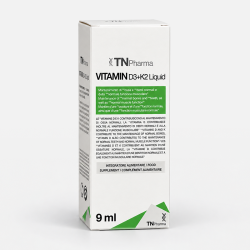
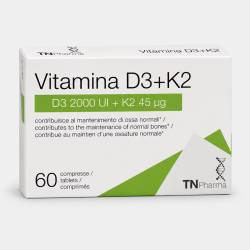
Vitamin D3 and K2 supplements are available in different formulations, including drops, capsules and tablets. There is no universally more effective form: the choice mainly depends on the product concentration, ease of use and individual preferences.
- Liquid drops allow the product to be taken in liquid form and may offer some flexibility in adjusting the amount, provided the dropper allows accurate dosing. They are often convenient for people who have difficulty swallowing tablets or capsules. However, it is essential to check how many drops make up one serving and how many micrograms of vitamin D3 and K2 each drop contains;
- Tablets and capsules provide a predetermined amount per unit, making it easier to follow a consistent dose. They are convenient to carry and use, but may be less suitable for people who have difficulty swallowing. In this case too, it is important to check the composition and the actual amount of each vitamin.
It is not accurate to claim that drops are always more bioavailable or that tablets are necessarily more stable: these characteristics depend on the formulation and the specific product.
Contraindications and Side Effects
Vitamin D3 and K2 supplements may be useful when dietary intake is insufficient or when there is a specific need, but they are not without precautions. The main risk associated with excessive intake concerns vitamin D, which can accumulate in the body and cause an excessive increase in blood calcium levels.
Excess vitamin D can cause hypercalcaemia and hypercalciuria, meaning increased calcium levels in the blood and urine, respectively. In more serious cases, symptoms may include nausea, vomiting, constipation, muscle weakness, loss of appetite, intense thirst and increased urination. Prolonged exposure to excessive amounts may promote kidney stone formation and impair kidney function; in severe cases, it can cause soft tissue calcification and heart rhythm disturbances.
Toxicity is generally associated with excessive supplement use, not normal sun exposure. It is therefore important not to combine several products containing vitamin D without checking the total intake and not to exceed the recommended doses without medical supervision.
No tolerable upper intake level has been established for vitamin K2. This does not mean that it should be used without consideration. The most important precaution concerns interactions with vitamin K antagonist medicines, such as warfarin and acenocoumarol: changes in vitamin K intake may alter their anticoagulant effect and make blood clotting control less stable.
Anyone taking these medicines should not start, stop or change their vitamin K2 intake without first consulting a doctor. It is also advisable to seek medical advice before using D3 and K2 supplements in the presence of:
- Kidney disease: certain conditions may alter vitamin D metabolism and calcium regulation;
- Hypercalcaemia or hypercalciuria: additional vitamin D intake could worsen abnormal calcium levels;
- Hyperparathyroidism: this condition may alter calcium balance and require specific management of supplementation;
- Conditions affecting vitamin D metabolism: certain disorders may increase sensitivity to the vitamin or alter the risk of accumulation;
- Medication use: thiazide diuretics, corticosteroids and orlistat may interfere with vitamin D metabolism or absorption. It is therefore important to check for possible interactions with a doctor or pharmacist.
The D3 and K2 combination should not automatically be considered safe simply because it contains two vitamins. Before using it, it is important to assess the total dosage, any ongoing treatments and individual circumstances, avoiding self-administration of high amounts.
Frequently Asked Questions
Which Foods Naturally Contain Vitamin K2?
Vitamin K2 is mainly found in certain fermented foods and, in smaller amounts, in various animal-derived products. One of the best-known sources is natto, a traditional Japanese food made from fermented soybeans, which is particularly rich in menaquinones, especially MK-7.
Other dietary sources may include:
- Fermented cheeses: may contain different forms of vitamin K2, in varying amounts depending on the type of cheese and the fermentation process;
- Some dairy products: milk and dairy derivatives may provide small amounts of menaquinones;
- Eggs: egg yolks generally contain modest amounts of vitamin K2;
- Meat and offal: some animal-derived products provide menaquinones, including the MK-4 form.
It is important to distinguish vitamin K2 from vitamin K1, or phylloquinone, which is mainly found in green leafy vegetables such as spinach, cabbage and broccoli, as well as in some vegetable oils. Both belong to the vitamin K family, but they have different food sources and characteristics.
The amount of K2 in foods can vary considerably depending on fermentation, processing and origin. For this reason, it is not easy to establish an exact intake from a single food. However, a varied diet helps provide vitamin K through both plant and animal sources.
Does It Make Sense to Take Vitamin D3 and K2 During the Summer Months?
Taking vitamin D3 and K2 during the summer is not necessary for everyone. During the warmer months, greater exposure to sunlight may promote skin production of vitamin D. However, the amount synthesised depends on several factors, including latitude, time of day, duration of exposure, skin area exposed, age, skin pigmentation and individual habits.
Situations that may increase the risk of insufficient intake include:
- Limited sun exposure: for example, people who spend most of the day indoors or habitually cover most of their skin;
- Older age: as we age, the skin's ability to produce vitamin D may decrease;
- Darker skin pigmentation: this may reduce vitamin D production at the same level of UVB exposure;
- Conditions that impair absorption: certain intestinal diseases or medical conditions may affect vitamin availability;
- Medical advice: people undergoing treatment for a diagnosed deficiency should not stop it independently when summer arrives.
Vitamin K2, on the other hand, does not depend on sun exposure: its intake mainly comes from food and, when necessary, supplementation. However, there is no general recommendation to take K2 all year round together with vitamin D3.
Vitamin D3 and vitamin K2 perform complementary functions in calcium metabolism and the maintenance of bone health. D3 promotes calcium absorption, while K2 participates in activating proteins involved in bone mineralisation and the regulation of tissue calcification.