- Health and wellness
- 0 views
- What is vitamin K
- Foods rich in vitamin K
- Vitamin K deficiency
- Daily requirements and recommended intake
- Vitamin K supplements
- Contraindications
- Frequently asked questions
What is vitamin K
Vitamin K is a fat-soluble vitamin, meaning it dissolves in fats, and is primarily involved in blood clotting and bone metabolism. It is needed to activate certain proteins involved in these functions and therefore contributes to the normal functioning of the body.
The term vitamin K actually refers to a group of compounds, the two best-known forms of which are vitamin K1, or phylloquinone, and vitamin K2, or menaquinone. They differ in their chemical structure, dietary sources and certain metabolic characteristics, but both are involved in the biological processes that depend on this vitamin.
Vitamin K is obtained mainly through the diet. It is found primarily in green leafy vegetables and vegetable oils, as well as, in varying amounts, in some fermented foods and foods of animal origin. Deficiency is relatively rare in healthy adults, but it can occur in the presence of absorption problems, specific medical conditions or treatments that interfere with the metabolism of this nutrient.
Differences between vitamin K1 and K2
- Vitamin K1 (phylloquinone) is the form found mainly in plant-based foods. Its most important sources include green leafy vegetables, such as spinach, cabbage, broccoli and lettuce, as well as certain vegetable oils. It is the form most widely represented in the diet and plays a fundamental role in blood clotting.
- Vitamin K2 (menaquinone) includes several forms, identified by the abbreviation MK followed by a number, such as MK-4 and MK-7. It is found mainly in certain fermented foods and, in varying amounts, in cheese, eggs and other animal products. Some menaquinones are also produced by intestinal bacteria, although the contribution of this production to overall requirements has not been fully established.
Both forms are involved in the activation of vitamin K-dependent proteins, but they differ in their structure and behaviour in the body. Vitamin K2 is of particular interest because of its involvement in processes related to bone metabolism and the regulation of tissue mineralisation. However, it is not yet possible to state that all forms of K2 offer greater benefits than K1 or are automatically more effective for bone health.
Role in blood clotting and bone health
The best-known function of vitamin K is its role in blood clotting. This nutrient is necessary for the activation of certain proteins involved in haemostasis, including prothrombin and several clotting factors. Through a reaction called carboxylation, vitamin K enables these proteins to perform their function correctly and therefore contributes to the normal mechanisms that help control bleeding.
Vitamin K also plays a role in bone tissue metabolism and bone and joint health. It is needed to activate osteocalcin, a protein produced by cells involved in bone formation. Carboxylated osteocalcin participates in mineralisation processes and contributes to normal skeletal metabolism.
Foods rich in vitamin K
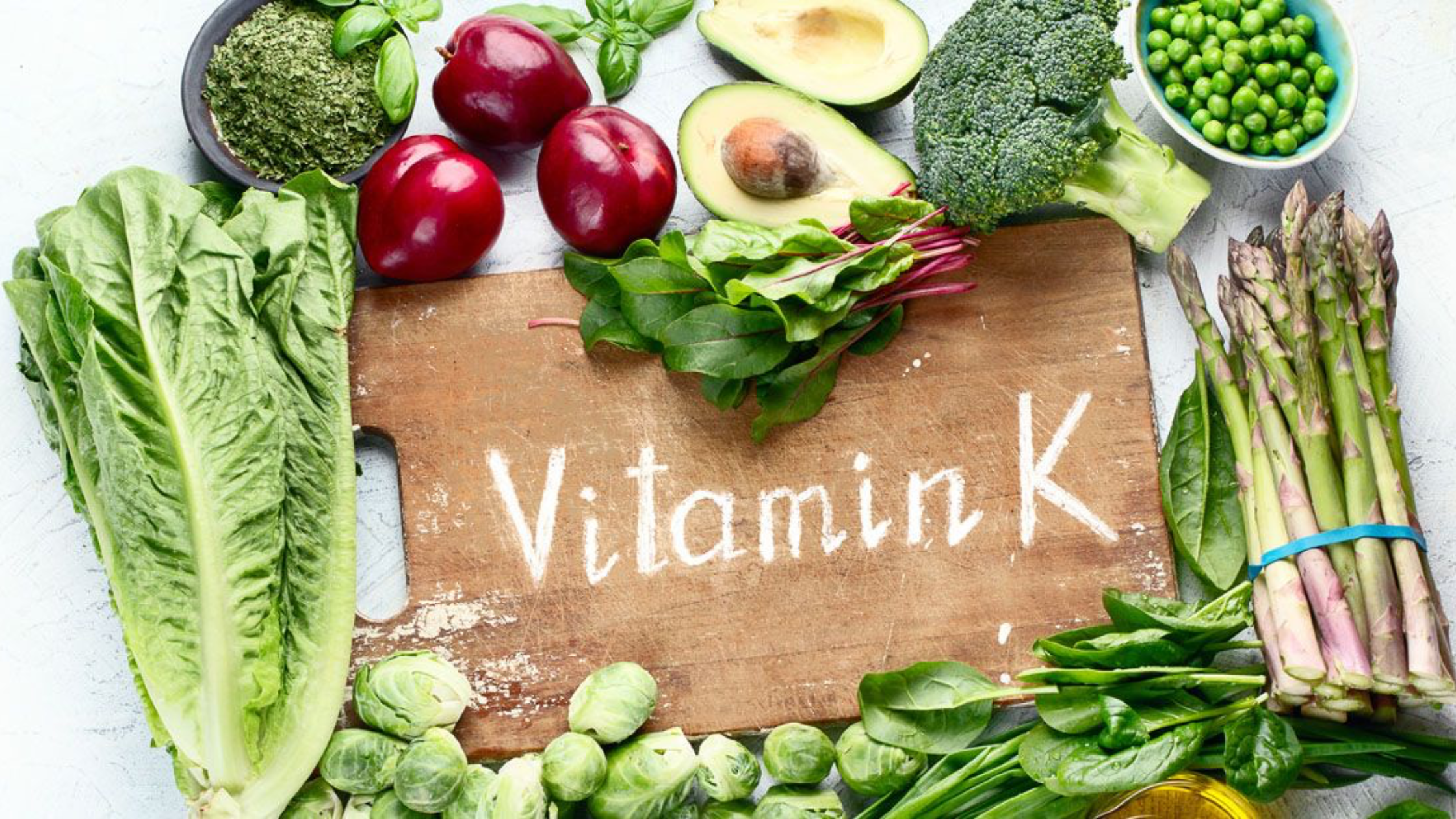
Vitamin K is found in various foods, but the amount and form present vary according to the type of product. Green leafy vegetables are the main sources of vitamin K1, while certain fermented foods and foods of animal origin provide vitamin K2.
Some particularly interesting foods to include in the diet are:
- Spinach: a significant source of vitamin K1, which can be eaten raw or cooked, as a side dish or in other preparations;
- Kale and other varieties of cabbage: vegetables belonging to the Brassicaceae family, such as kale and white cabbage, can provide significant amounts of vitamin K1;
- Broccoli: contains vitamin K1 and can easily be included in a varied diet;
- Lettuce and other leafy vegetables: contribute to daily vitamin K intake, with amounts varying according to the variety;
- Vegetable oils: some oils, particularly soybean and rapeseed oil, can provide vitamin K1. The amount depends on the type of oil and how it is processed;
- Fermented foods: certain products, such as natto, a traditional Japanese food made from fermented soybeans, can contain high amounts of vitamin K2;
- Cheese and eggs: can provide menaquinones, although their content varies according to the type of food, processing and production methods;
- Meat and liver: some animal products contain vitamin K2, generally in varying amounts.
Vitamin K is fat-soluble: the presence of fat in a meal can promote its intestinal absorption. Pairing vegetables with a source of dietary fat, such as extra virgin olive oil, can therefore help improve its availability. A varied diet that regularly includes green leafy vegetables and other food sources generally makes it possible to obtain adequate amounts of vitamin K.
Vitamin K deficiency
Vitamin K deficiency is uncommon in healthy adults who follow a varied diet. However, it can occur when the body is unable to absorb fats properly, when intake is insufficient over prolonged periods or when conditions are present that interfere with the metabolism of this nutrient.
Possible signs include:
- Easy bruising: bruises may appear even after minor knocks;
- Prolonged bleeding: small cuts or wounds may take longer to stop bleeding;
- Nose or gum bleeding: unusual bleeding episodes may occur;
- Blood in the urine or stools: these signs require prompt medical assessment;
- Abnormal blood clotting test results: in cases of significant deficiency, prothrombin time may increase.
These symptoms are not specific to vitamin K deficiency and may be caused by other conditions, including clotting disorders, liver problems or medication use.
Newborns are at greater risk of deficiency because their reserves at birth are limited, placental transfer is low and breast milk contains relatively small amounts of vitamin K. Specific prophylaxis at birth is therefore recommended to prevent vitamin K deficiency bleeding in newborns, in accordance with healthcare protocols.
Main causes
There can be several causes of vitamin K deficiency, and they are not necessarily related to the amount obtained from food. As this is a fat-soluble vitamin, its absorption also depends on the proper functioning of the digestive system and on the presence of bile and fats during digestion.
The main factors that may contribute to deficiency include:
- Intestinal malabsorption: certain conditions, such as coeliac disease, Crohn's disease and other disorders that impair fat absorption, may reduce vitamin K availability;
- Liver and biliary tract diseases: certain liver and biliary tract conditions may interfere with vitamin metabolism or with the availability of bile needed for its absorption;
- Prolonged antibiotic use: some treatments may alter the intestinal bacterial flora and, under certain conditions, contribute to reduced nutrient availability;
- Very restrictive diets: an extremely limited diet that is low in sources of vitamin K may increase the risk of inadequate intake, particularly when other risk factors are present;
- Medicines that interfere with absorption: medicines such as orlistat and certain bile acid sequestrants may reduce the absorption of fat-soluble vitamins;
- Newborn age: newborns have limited reserves and low initial intake, which is why prophylaxis at birth is provided.
It is important to distinguish vitamin K deficiency from the effect of vitamin K antagonist anticoagulant medicines. When conditions are present that may impair vitamin K absorption or metabolism, a doctor may assess the situation by reviewing the medical history, clotting tests and any further investigations that may be needed.
Daily requirements and recommended intake
Vitamin K requirements vary according to age and the nutritional guidelines used. Unlike other micronutrients, the available evidence for this vitamin does not allow an average requirement and a strictly defined recommended intake to be established for all population groups. For this reason, EFSA uses the value of adequate intake (AI), meaning an amount considered sufficient to meet the nutritional needs of the healthy population.
According to European reference values, the adequate intake of vitamin K is:
- Infants aged 7 to 11 months: 10 µg per day;
- Children aged 1 to 3 years: 12 µg per day;
- Children aged 4 to 6 years: 20 µg per day;
- Children aged 7 to 10 years: 30 µg per day;
- Children aged 11 to 14 years: 45 µg per day;
- Adolescents aged 15 to 17 years: 65 µg per day.
- Adults: 70 µg per day, including during pregnancy and breastfeeding.
If conditions are present that increase the risk of deficiency, a doctor can assess whether additional intake is necessary. However, it is not advisable to increase vitamin K intake through supplements without medical advice, especially when taking medicines that interfere with blood clotting.
Vitamin K supplements
Vitamin K supplements may contain vitamin K1, various forms of vitamin K2 or a combination of several nutrients. Available formulations may differ in quantity, chemical form and combination with other vitamins and minerals.
Vitamin K2, in particular, is often offered together with vitamin D3. Vitamin D contributes to calcium absorption and the maintenance of normal bones, while vitamin K is involved in the activation of proteins that play a role in bone metabolism. This biological complementarity has led to the development of combined products, but it does not demonstrate that the combination is necessary for everyone or that it certainly prevents calcium deposits in blood vessels.
Before choosing a supplement, it is advisable to check:
- Form of vitamin K: check whether the product contains K1, K2 and, in the case of K2, which menaquinone is used;
- Amount per serving: read the number of micrograms stated per serving and compare it with the intake already provided by food and other supplements;
- Other ingredients: check for vitamin D3, calcium or other micronutrients, taking individual needs into account;
- Warnings and interactions: pay particular attention in the case of anticoagulant therapy or conditions that may affect blood clotting.
The choice should not be based solely on the highest amount or the presence of multiple ingredients. A supplement is useful when it meets a specific need and is used in a way that is compatible with the individual's circumstances.
How to take them
Vitamin K is fat-soluble and is absorbed together with the fats present in a meal. For this reason, supplements can be taken with a meal containing a source of dietary fat, always following the instructions on the product label.
There is no best time of day to take vitamin K. It is more important to follow the directions for use provided by the manufacturer and maintain an intake consistent with individual needs. If the product also contains vitamin D3, the specific instructions for the combined formulation can be followed.
It is advisable to avoid combining several products containing vitamin K without checking their total amounts. In the presence of medical conditions, absorption problems or drug treatments, a doctor or pharmacist can help assess whether supplementation is actually necessary.
Contraindications
Vitamin K obtained from food is generally well tolerated, and no toxic effects associated with normal dietary consumption have been established. No tolerable upper intake level has been defined for vitamin K either, because the available evidence has not made it possible to identify a threshold above which adverse effects predictably occur.
People taking medicines such as warfarin and acenocoumarol should keep their vitamin K intake relatively consistent. Significant dietary changes or the introduction of supplements may alter the anticoagulant effect and affect INR values, making treatment monitoring necessary. Do not independently eliminate foods rich in vitamin K or start taking a supplement without consulting a doctor.
Other situations in which it is advisable to seek medical advice before taking supplements include:
- Liver or biliary tract diseases: these may affect vitamin K metabolism and absorption;
- Intestinal absorption disorders: these may impair the availability of fat-soluble vitamins;
- Prolonged antibiotic use: in some circumstances, this may contribute to changes in nutrient availability;
- Use of other supplements: it is important to check for vitamin K in multivitamins and combination products.
It is also necessary to distinguish the vitamin K found in supplements from synthetic forms not intended for normal dietary use, such as menadione (vitamin K3), which is associated with potential toxic effects and is not used as a common dietary supplement for adults.
Frequently asked questions
What are the symptoms of excess vitamin K?
No toxic effects are known to be associated with normal dietary intake of vitamin K, and no tolerable upper intake level has been established for the K1 and K2 forms commonly found in supplements.
This does not mean that high doses are necessary: supplementation should follow the product instructions and take any medicines into account. Menadione, a synthetic form that differs from the common K1 and K2 forms, can cause toxic effects and should not be considered equivalent to dietary forms.
What is the normal level of vitamin K in the blood?
There is no reference range for blood concentrations of all forms of vitamin K that, on its own, can establish whether intake is adequate. Assessing nutritional status may require several parameters and must be interpreted in the clinical context.
Who should avoid taking vitamin K?
People taking vitamin K antagonist anticoagulants, such as warfarin and acenocoumarol, should not start taking vitamin K supplements without medical advice. It is generally not necessary to eliminate foods containing it, but it is important to maintain consistent dietary intake to avoid altering the effect of treatment.
People with liver diseases, absorption problems or who take medicines that interfere with vitamin metabolism should also seek advice from a healthcare professional before using a supplement.
Vitamin K is essential for normal blood clotting and contributes to bone metabolism. The K1 and K2 forms are found in different foods, particularly green leafy vegetables, fermented products and certain foods of animal origin. A varied diet generally makes it possible to meet requirements, while supplementation may be considered in specific situations. The most important precaution concerns people taking vitamin K antagonist anticoagulants, for whom any change in dietary intake or use of supplements must be agreed with a doctor.