- Health and wellness
- 33 views

- Main contraindications of vitamin K2
- Contraindications of combining vitamin D3 and K2
- Side effects and safety of vitamin K2
- Frequently asked questions
Main contraindications of vitamin K2
Vitamin K2 is generally well tolerated at the amounts normally found in foods and supplements. The main precaution concerns people taking vitamin K antagonist anticoagulants, such as warfarin, acenocoumarol and phenprocoumon. These medications work by interfering with the vitamin K cycle and the activation of certain proteins involved in blood clotting.
In these cases, starting, stopping or changing vitamin K2 intake without consulting a healthcare professional may alter the effectiveness of the treatment and affect blood coagulation values. People taking anticoagulants should therefore maintain a consistent vitamin K intake as much as possible and consult their doctor before using supplements containing it. Medication or dietary habits should never be changed independently to compensate for taking a supplement.
Other situations require attention, particularly when they may affect nutrient absorption or vitamin K metabolism. These include certain gastrointestinal conditions involving malabsorption, bariatric surgery and prolonged use of specific medications. Antibiotics, bile acid sequestrants and orlistat may also affect vitamin K status in different ways.
Individual assessment is also important during pregnancy and breastfeeding. During these stages, supplementation should not be started independently. The need for it and the appropriate amount should be assessed by a healthcare professional, taking dietary habits and any existing medical conditions into account.
Specific characteristics of the MK-7 form
Vitamin K2 includes several forms known as menaquinones, identified by the abbreviation MK followed by a number. MK-4 and MK-7 are among the most widely studied forms used in supplements. The latter is a long-chain form characterised by a generally longer persistence in the bloodstream compared with other forms of vitamin K.
MK-7 is therefore of interest because of its pharmacokinetic characteristics. However, a longer presence in the body should not be confused with evidence of superior clinical benefits in every situation. Information on the bioavailability of different vitamin K forms is still limited and does not establish that one formulation is always more effective than another for all purposes.
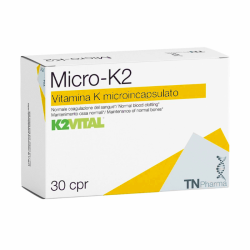
One of the raw materials used in Tsunami Nutrition supplements is K2VITAL®, a patented ingredient based on vitamin K2 in the menaquinone-7 (MK-7) form.
When choosing an MK-7 supplement, it is still important to consider the actual amount of vitamin K2 per serving and the quality of the raw material. Even a formulation with good stability does not eliminate possible interactions with anticoagulant medications: precautions remain necessary regardless of the form used.
Contraindications of combining vitamin D3 and K2
Vitamin D3 and vitamin K2 are involved in different but interconnected processes related to calcium metabolism. Vitamin D3 promotes the intestinal absorption of calcium and phosphorus, while vitamin K contributes to the activation of proteins involved in blood clotting and bone metabolism, including osteocalcin and matrix Gla protein.
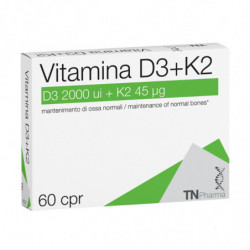
These functions explain why the two vitamins are often combined in supplements intended to support bone health. However, this combination is not automatically necessary for everyone, and there is no universally recognised ideal D3/K2 ratio. The amounts should be assessed separately according to individual requirements, dietary habits, test results and health conditions.
It is also important to clarify that vitamin K2 does not cancel out the effects of excessive vitamin D3 intake. Excessive vitamin D intake can increase calcium absorption too much and cause hypercalcaemia, meaning a higher-than-normal level of calcium in the blood. In more serious cases, kidney complications and abnormal calcium deposits in soft tissues may occur. Adding vitamin K2 has not been proven to protect against these risks.
Side effects of combined dosages
When vitamin D3 and K2 are taken together, any potential adverse effects depend mainly on the amounts used, the formulation and the individual's health conditions. It is not correct to automatically attribute a greater risk to the combination compared with taking each vitamin separately. However, unnecessary dosages and overlapping supplementation should be avoided.
The most relevant risk associated with excessive intake concerns vitamin D3. Excessive and prolonged intake, particularly through supplements, may cause hypercalcaemia and hypercalciuria, meaning increased calcium levels in the blood and urine. Possible signs include:
- Nausea and vomiting: these may occur when calcium levels in the blood become too high;
- Fatigue and muscle weakness: these may accompany significant disturbances in calcium balance;
- Intense thirst and frequent urination: these may be associated with increased blood calcium levels;
- Kidney stones: excessive calcium excretion in the urine may contribute to stone formation in predisposed individuals;
- More serious complications: in cases of significant toxicity, kidney damage, heart rhythm disturbances and soft tissue calcification may occur.
To reduce the risk of excessive intake, it is important to check the amount of vitamin D contained in all the products being used, including multivitamins and combination supplements.
Particular care is needed in people with kidney disease, hyperparathyroidism, hypercalcaemia or other conditions affecting calcium metabolism. Taking certain medications, such as thiazide diuretics, may also require specific assessment when using vitamin D supplements. In these cases, a doctor can determine whether supplementation is appropriate and whether monitoring is necessary.
Side effects and safety of vitamin K2
Vitamin K generally has a low toxicity potential, and no tolerable upper intake level has been established for the general population. However, this does not mean that any supplement dosage is automatically suitable for everyone. Safety also depends on medications, health conditions and the composition of the product.
Vitamin K2 contributes to the activation of proteins involved in blood clotting and bone metabolism. Its physiological role is therefore important, but supplements should not be used independently to treat blood clotting disorders, osteoporosis or vascular calcification.
The possibility of deficiency should also be considered. Clinically significant vitamin K deficiency is rare in healthy adults who follow a varied diet. It may be more likely in the presence of intestinal malabsorption, certain gastrointestinal conditions, bariatric surgery or treatments that interfere with the absorption and metabolism of the vitamin.
Severe deficiency can impair normal blood clotting and lead to an increased tendency to bleed, frequent bruising or haemorrhages. These signs are not specific and require medical assessment. It is not appropriate to self-diagnose a deficiency and start taking supplements without first identifying its cause.
Gastrointestinal disorders and adverse reactions
Vitamin K2 is generally well tolerated, but some people may experience discomfort after taking a supplement. Possible adverse effects sometimes reported include gastrointestinal symptoms such as nausea, abdominal pain or changes in bowel habits. These symptoms may also depend on the excipients, oils or other ingredients in the formulation.
It is important to distinguish between effects attributable to vitamin K2 and those related to the product as a whole. A combination supplement, for example, may also contain vitamin D3, calcium or other micronutrients. Tolerability should therefore be assessed by considering all the substances present and the amounts consumed.
If symptoms occur after taking a supplement, it is advisable to check its composition and instructions for use. If symptoms persist, worsen or recur every time the product is used, it is preferable to stop taking it and seek advice from a healthcare professional.
However, the most important precaution concerns drug interactions. People taking warfarin, acenocoumarol or other vitamin K antagonists should consult their doctor before starting, stopping or changing a supplement.
Risks associated with overdose
No tolerable upper intake level has been established for vitamin K, as available evidence indicates a low toxicity potential at the amounts studied. However, this should not be interpreted as an invitation to take high doses or combine several supplements without checking their composition.
People taking vitamin K antagonists should avoid sudden changes in their intake, both through food and supplements, and follow the instructions provided by the healthcare centre monitoring their treatment.
When using multiple products, it is useful to check:
- Total vitamin K intake: check whether K2 is already included in multivitamins or other supplements;
- The form used: distinguish between vitamin K1, MK-4 and MK-7, without assuming that they are interchangeable in every situation;
- The presence of vitamin D3 and calcium: assess total intake, especially when using several combination products;
- Medications: inform your doctor or pharmacist about all supplements you take, particularly if you are receiving anticoagulant treatment;
- Label instructions: follow the recommended daily dose and do not increase it independently.
Safety does not depend solely on an individual ingredient, but on the interaction between the product, diet and individual health conditions. In the presence of medical conditions, ongoing treatments or doubts about the need for supplementation, it is therefore preferable to seek medical advice before starting.
Frequently asked questions
How much vitamin K2 should you take per day?
There is no daily requirement established specifically for vitamin K2. European reference values concern total vitamin K and indicate an adequate intake of approximately 70 micrograms per day for adults. This value includes vitamin K1 and the different forms of K2 found in foods and does not represent a specific dosage to be taken as an MK-7 supplement.
The amount needed depends on dietary habits and individual health conditions. Vitamin K1 is mainly found in leafy green vegetables and vegetable oils, while K2 forms are present in varying amounts in certain fermented foods and animal-derived products. Natto, a traditional Japanese food made from fermented soybeans, is a particularly rich source of menaquinones.
People taking vitamin K antagonist anticoagulants should not start supplementation without consulting their doctor. Even in the presence of gastrointestinal conditions, malabsorption or other factors that may affect nutritional status, individual requirements should be assessed separately.
Vitamin K2 contributes to the normal functioning of processes involved in blood clotting and bone metabolism. It is generally well tolerated, but particular care is required when taking anticoagulant medication and in conditions that may affect its absorption. Vitamin D3 and K2 may be combined in supplements, but there is no universal ratio between the two vitamins, and K2 does not protect against excessive vitamin D intake.