- Health and wellness
- 0 views
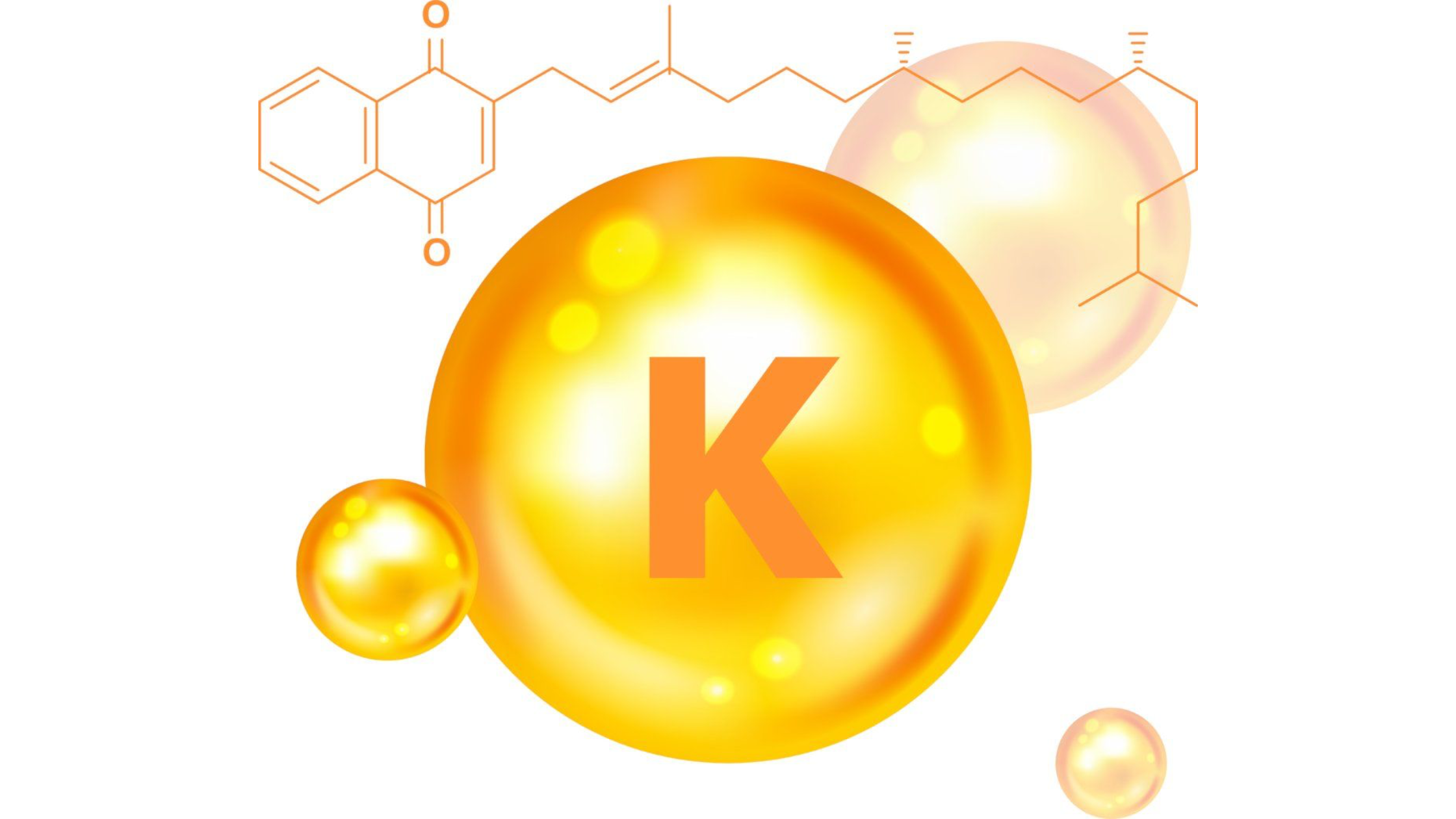
- What is vitamin K2?
- What is vitamin K2 used for?
- The combined action of vitamins D3 and K2
- Where is vitamin K2 found?
- Contraindications and side effects
- Frequently asked questions
What is vitamin K2?
Vitamin K2, also known as menaquinone, belongs to the vitamin K group, a group of fat-soluble nutrients primarily involved in blood clotting processes and the activation of certain proteins. It differs from vitamin K1, or phylloquinone, which is found mainly in green leafy vegetables and is one of the main forms obtained through the diet.
Vitamin K2 includes several variants, identified by the abbreviation MK followed by a number. The difference between these forms depends on the molecule's chemical structure, particularly the length of its side chain. The best-known forms include MK-4 and MK-7, which are also used in dietary supplement formulations.
Vitamin K contributes to normal blood clotting and the maintenance of normal bones. These functions depend on the activation of specific proteins that require the vitamin to perform their roles correctly. K2 should therefore be considered within the broader context of vitamin K intake, without automatically attributing greater or different benefits to every supplement compared with other forms.
The role of the MK-7 form
MK-7, or menaquinone-7, is one of the most widely used forms of vitamin K2 in supplements. It has a longer side chain than MK-4 and generally has a longer half-life, meaning that it remains available in the body for a longer period after intake.
This characteristic is one of the reasons why MK-7 is often chosen for formulations designed to provide vitamin K2 through a daily dose. Its longer presence in the bloodstream may support a prolonged availability of the nutrient, but this does not automatically mean that it produces better clinical outcomes in everyone or that it is always preferable to other forms.
When evaluating an MK-7 supplement, it is useful to check the amount per serving, the form used and the quality of the raw material. Some formulations use patented and standardised ingredients, such as K2VITAL, developed to provide a raw material with specific quality and purity standards declared by the manufacturer.
Choosing a patented ingredient may provide more precise information about the raw material used, but it does not, by itself, guarantee the clinical effectiveness of the finished product. To compare supplements correctly, it is also necessary to consider the dosage, the overall formulation and the instructions provided on the label.
What is vitamin K2 used for?
Vitamin K2 is involved in the activation of certain proteins that depend on vitamin K to perform their functions. These include osteocalcin, which is involved in bone tissue metabolism, and matrix Gla protein (MGP), found in various tissues and studied for its role in the processes regulating mineralisation.
Vitamin K is also necessary for normal blood clotting. This function applies to the vitamin K group as a whole and is not exclusive to vitamin K2. From a nutritional perspective, an adequate intake therefore helps support important physiological processes, but this does not mean that taking additional amounts of vitamin K2 necessarily improves health in the absence of a specific need.
Benefits for bones
One of the most widely studied areas of vitamin K2 concerns bone metabolism. Vitamin K is involved in the activation of osteocalcin, a protein produced by osteoblasts, the cells responsible for bone tissue formation.
To become functional, osteocalcin must undergo a process called carboxylation, which depends on the presence of vitamin K. Once activated, this protein can bind to calcium and participate in the mineralisation of the bone matrix. Vitamin K therefore contributes to the normal maintenance of bones through a specific biological mechanism.
Bone health depends on numerous factors, including calcium and vitamin D intake, physical activity, diet, age, hormonal balance and individual conditions. Vitamin K2 can be considered as part of this broader picture, but it does not replace preventive strategies or any treatments prescribed by a doctor.
The combined action of vitamins D3 and K2
Vitamin D3 and vitamin K2 are often combined in supplements because they are involved in different but related processes connected with calcium metabolism.
- Vitamin D3, also known as cholecalciferol, contributes to the absorption and utilisation of calcium and phosphorus and to the maintenance of normal bones;
- Vitamin K is necessary for the activation of proteins such as osteocalcin, which is involved in bone tissue physiology.
In this way, the two nutrients participate in different stages of the processes that contribute to maintaining the skeleton: vitamin D supports calcium availability through intestinal absorption, while vitamin K is involved in activating proteins that depend on this nutrient.
This biological complementarity explains the interest in formulations combining D3 and K2. However, it does not mean that the combination automatically guarantees greater bone density or prevents fractures. Outcomes depend on initial nutritional status, the amounts consumed, individual conditions and the clinical evidence relating to the specific formulation.
It is important not to take high doses of vitamin D3 or K2 without a specific need. Excessive vitamin D intake can cause an abnormal increase in blood calcium levels, while vitamin K can interfere with certain anticoagulant treatments. Before combining several supplements, it is therefore advisable to check their overall composition and seek advice from a healthcare professional.
Where is vitamin K2 found?
Vitamin K2 is found in some animal-derived foods and products obtained through fermentation processes. The amount present can vary considerably depending on the raw material, the type of processing and the production conditions.
Compared with vitamin K1, which is abundant in many green leafy vegetables, K2 is generally less common in foods consumed regularly. Knowing its main dietary sources can therefore help diversify the diet and provide a better understanding of where this nutrient comes from.
The main foods rich in K2
Foods that can contribute to vitamin K2 intake include:
- Natto: a traditional Japanese food made by fermenting soybeans with bacteria of the genus Bacillus. It is one of the most concentrated dietary sources of vitamin K2, particularly in the MK-7 form;
- Aged cheeses: some fermented cheeses may contain menaquinones, with amounts varying according to the type of milk, the microorganisms involved and the ageing process;
- Fermented cheeses: some varieties may provide vitamin K2 thanks to the activity of the bacteria used during production;
- Egg yolk: contains variable amounts of vitamin K2, together with other nutrients and fats;
- Liver and certain meats: may contribute to menaquinone intake, with concentrations varying according to the animal and type of food;
- Some fermented foods: may contain varying amounts of vitamin K2, depending on the microorganisms and fermentation process.
The amount of vitamin K2 in foods is not always easy to quantify. A varied diet can contribute to overall vitamin K intake, but there is no need to consume large amounts of a single food in an attempt to reach a specific K2 dosage. It is preferable to consider the diet as a whole and discuss any specific needs with a healthcare professional.
Supplements in tablet and drop form
Vitamin K2 supplements are available in various formulations, including tablets, capsules and liquid preparations in drops. Since vitamin K2 is fat-soluble, taking it with a meal containing fat may help improve its absorption. It is nevertheless important to follow the specific instructions on the label and not change the dose or frequency of use independently.
When comparing different products, it is useful to check:
- The form of vitamin K2: check whether it contains MK-4, MK-7 or another variant;
- The amount per serving: read the declared microgram content and the recommended number of servings;
- Raw material quality: check the information about the ingredient and any production standards;
- Added ingredients: check whether the formulation also contains vitamin D3 or other nutrients;
- Warnings: pay particular attention if you are taking anticoagulant medication.
Contraindications and side effects
Vitamin K2 obtained through food is generally well tolerated. The main precautions concern the use of supplements, particularly when taking medicines that interfere with blood clotting or when dealing with medical conditions that require specific monitoring of vitamin K intake.
Vitamin K contributes to normal blood clotting. For this reason, it can interfere with the action of certain vitamin K antagonist anticoagulants, such as warfarin and acenocoumarol. In these situations, significant changes in vitamin K intake may alter the effect of the treatment and affect blood clotting values.
People taking these medicines should not start, stop or independently change a vitamin K2 supplement. It is important to keep dietary intake as consistent as possible and consult a doctor before introducing any product containing vitamin K.
Particular care should be taken in the following situations:
- Anticoagulant therapy: warfarin and acenocoumarol require careful management of vitamin K intake;
- Medical conditions: in the presence of clotting disorders or other medical conditions, supplementation must be assessed by a doctor;
- Taking multiple supplements: it is important to check whether vitamin K2 is already present in multivitamins or products combined with vitamin D3;
- Pregnancy and breastfeeding: it is advisable to seek advice from a healthcare professional before using supplements;
- Adverse reactions: if unusual symptoms occur after taking the supplement, stop using the product and seek medical advice.
Another important distinction concerns vitamin K2 and vitamin K3. K3, or menadione, is a different synthetic form from the menaquinones used in dietary supplements and should not be considered equivalent to K2. Information about the safety and use of different forms of vitamin K cannot automatically be applied from one molecule to another.
Frequently asked questions
When is the best time of day to take vitamin K2?
There is no specific best time to take vitamin K2. Since it is a fat-soluble vitamin, taking it with a meal containing a source of fat may be useful, while still following the instructions on the packaging of the chosen product.
Taking it regularly and following the recommended dose are more important than the exact time of day. If vitamin K2 is included in a supplement combined with vitamin D3 or other nutrients, it is advisable to follow the directions for use provided for that specific formulation.
How much vitamin K2 is needed per day?
There is no separate, universally established European reference value for vitamin K2 alone. Nutritional reference values generally apply to total vitamin K, which includes phylloquinone (K1) and menaquinones (K2). For adults, EFSA indicates an adequate intake of approximately 70 micrograms per day of total vitamin K.
The amount needed depends on overall dietary intake and individual characteristics. Before using products with specific K2 dosages, it is advisable to read the label and seek advice from a healthcare professional, especially if taking anticoagulant medication.
What are the symptoms of excessive vitamin K2 intake?
No specific, reliable symptoms have been established that can identify excessive vitamin K2 intake in the general population. Natural forms of vitamin K, including K1 and K2, have relatively low toxicity at the amounts commonly obtained through food. However, this does not mean that high doses of supplements should be taken without a specific need.
The main precaution concerns interactions with vitamin K antagonist anticoagulants. In people taking these medicines, vitamin K2 intake may alter the effect of the medication and requires medical assessment.
Vitamin K2 is involved in the activation of proteins that play a role in bone metabolism and, together with other forms of vitamin K, contributes to normal blood clotting. It can be obtained through certain foods or supplements, but additional intake is not necessary for everyone.

