- Health and wellness
- 16 views
- The role of vitamins in hair health
- The main vitamins for hair
- Vitamins to help counter hair loss
- Hair supplements
- Frequently asked questions
The role of vitamins in hair health
Hair health depends on several factors, including genetics, hormonal balance, age, scalp condition and nutritional status. Vitamins and minerals are involved in numerous physiological processes that contribute to tissue renewal and the normal activity of hair follicles. A varied, balanced diet therefore helps provide the nutrients needed to maintain normal hair health.
It is important to distinguish the role of vitamins from the potential benefits of supplementation. A nutritional deficiency may contribute to hair loss or thinning, but taking additional vitamins does not guarantee thicker hair if your intake is already adequate. Hair loss can also have various causes that require specific interventions.
In this guide, we explore which vitamins and micronutrients are involved in hair health, how nutritional deficiencies can affect it and when to consider a supplement. We will also look at the differences between tablet and gummy formulations, bearing in mind that the choice should be based on their composition and your individual needs.
How nutrients affect the hair shaft
Hair is mainly made up of keratin, a fibrous protein that forms the structure of the hair shaft. It is produced inside the hair follicle, a skin structure from which hair grows. To support this process, the body needs proteins and various micronutrients involved in cellular metabolism.
Vitamins do not directly form the hair fibre, but they contribute to the normal functioning of the body and to the processes involved in tissue growth and renewal.
The nutrients to consider include:
- B vitamins: involved in numerous metabolic processes and normal cell function. Biotin, in particular, contributes to the maintenance of normal hair;
- Vitamin D: involved in the regulation of several cellular processes. Its receptor is also present in hair follicles and is being studied in relation to hair growth;
- Vitamin E: contributes to the protection of cells from oxidative stress;
- Vitamin C: contributes to normal collagen formation and helps the body absorb iron from food;
- Minerals such as iron and zinc: involved in essential processes for metabolism and cell renewal.
Dietary protein is also essential: a diet that does not provide enough energy and protein may impair the normal hair growth cycle.
Including these nutrients in your diet contributes to the normal functioning of the body, but this does not mean that each one can directly stimulate hair growth or stop hair loss. The effects of supplementation depend mainly on your initial nutritional status and the underlying cause of any problem.
The effects of nutritional deficiencies
An insufficient intake of certain nutrients can affect the hair growth cycle. When the body does not receive adequate amounts of energy, protein, vitamins or minerals, it may redistribute its resources and temporarily reduce the activity of certain processes that are not essential for survival.
Nutritional deficiencies, highly restrictive diets or rapid weight loss may contribute to a condition known as telogen effluvium. In this condition, a greater proportion of hair follicles prematurely enters the telogen phase, the resting phase that precedes hair shedding. Thinning may become noticeable several weeks or even months after the event that triggered it.
Nutritional factors that may be involved include:
- Insufficient protein intake: proteins provide the amino acids needed to produce keratin and renew tissues;
- Iron deficiency: may be associated with hair loss, particularly in people with low iron stores;
- Zinc deficiency: may interfere with various cellular processes and contribute to hair loss when a deficiency is present;
- Biotin deficiency: may cause hair thinning, but this condition is rare in people who follow a varied diet;
- Insufficient energy intake: severe or prolonged calorie restriction may disrupt the normal growth cycle.
However, hair loss is not always linked to a deficiency. Androgenetic alopecia, hormonal changes, thyroid disorders, certain illnesses, medications and scalp conditions can all cause hair thinning or loss. For this reason, if hair loss is sudden, severe or persistent, it is important to consult a dermatologist rather than relying solely on a supplement.
An assessment may include an examination of the scalp and, when appropriate, blood tests to check for possible deficiencies. Iron, zinc or biotin supplementation should be considered when there is a genuine need, as excessive intake of certain nutrients can also be harmful. The American Academy of Dermatology recommends checking for possible deficiencies before using supplements intended to promote hair growth.
The main vitamins for hair
Vitamins are involved in numerous biological processes that help maintain tissues, including those involved in hair growth. However, they do not all play the same role, and scientific evidence regarding the potential effects of supplementation varies from one nutrient to another.
Those most commonly associated with hair health include B vitamins, vitamin D and vitamin E. It is useful to understand their functions, but also their limitations: correcting a deficiency may be important, whereas taking doses above your daily requirements does not guarantee better results.
Vitamin B12 and the B vitamins
B vitamins include several micronutrients involved in energy metabolism, the synthesis of biological molecules and the normal functioning of the nervous system. Some of these vitamins also participate in cell division and renewal, which are important for tissues with high metabolic activity.
The best-known B vitamins in relation to hair health include:
- Vitamin B12: contributes to normal red blood cell formation and the normal functioning of the nervous system. A deficiency may be associated with anaemia and other disorders, but there is no evidence that supplementing with B12 in the absence of a deficiency promotes hair growth.
- Vitamin B6: contributes to normal protein and glycogen metabolism and the regulation of hormonal activity.
- Folic acid (vitamin B9): participates in cell division and normal blood formation.
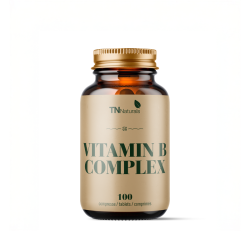
- Biotin (vitamin B7): contributes to the maintenance of normal hair and normal energy metabolism.
Biotin is often included in hair supplements because it plays a role in the metabolism of fats, carbohydrates and proteins. A deficiency may cause hair thinning and other symptoms, but it is rare in healthy people who follow a varied diet. Available evidence does not show that taking high doses of biotin improves hair growth in people who are not deficient.
Vitamin D and the hair follicle
Vitamin D contributes to the maintenance of normal bones, muscle function and the normal functioning of the immune system. In addition to these functions, it is being studied for its potential role in the hair growth cycle.
Hair follicles contain vitamin D receptors, which are involved in certain processes of cell regulation and differentiation. Research has observed an association between low vitamin D levels and some forms of alopecia, including alopecia areata and non-scarring hair loss. However, an association does not automatically prove that a deficiency is the cause of hair loss or that supplementation can resolve it.
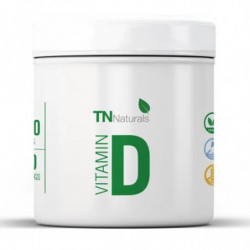
When a deficiency has been confirmed, correcting vitamin D levels may be important for overall health and may form part of the management of certain conditions. Vitamin D3 and K2 may also be taken together, but the cause of hair thinning always depends on the individual situation.
For this reason, it is best to discuss possible deficiencies with a doctor, who can determine whether tests and targeted supplementation are necessary. Taking high doses of vitamin D to accelerate hair growth is not recommended: excessive intake may increase blood calcium levels and cause other unwanted effects.
Vitamin E and the scalp
Vitamin E is a fat-soluble nutrient that contributes to the protection of cells from oxidative stress. It is found in various foods, particularly vegetable oils, nuts and seeds. Its antioxidant function is important for maintaining normal cell structures, including those in the skin.
Since the scalp is part of the skin and contains hair follicles, vitamin E is often included in formulations intended to support hair and scalp health. However, there is no evidence that taking more vitamin E than the body needs directly promotes hair growth or reduces hair loss in people who are not deficient.
Vitamin E is fat-soluble and can accumulate in the body. Taking high doses through supplements may increase the risk of unwanted effects and interactions, for example with medicines that affect blood clotting. For this reason, high-dose products should not be used without first discussing their suitability with a healthcare professional.
Vitamins to help counter hair loss
When discussing vitamins for hair loss, it is important to distinguish between correcting a nutritional deficiency and treating a form of alopecia. An insufficient intake of certain nutrients may contribute to hair loss or thinning, but many forms of hair loss have genetic, hormonal or autoimmune causes, or are linked to scalp conditions.
Vitamins can contribute to the normal functioning of the body, but they are not a universal solution. Before choosing a supplement, it is therefore useful to understand the type of hair loss, how long it has been occurring and any factors that may have triggered it.
Formulas for female hair loss
Hair loss in women may be associated with various causes, including genetic predisposition, hormonal changes, nutritional deficiencies, physical or psychological stress, postpartum changes and certain medical conditions. Perimenopause and menopause may also be accompanied by changes in hair density and quality.
One of the most common forms is female pattern hair loss, which tends to appear as a gradual reduction in hair density, often more noticeable around the central and upper areas of the scalp. Another condition is telogen effluvium, which may occur after events such as fever, surgery, periods of severe stress or significant dietary restriction.
Supplements intended to support women's hair health may contain combinations of vitamins, minerals and other ingredients. Their composition varies from one product to another, and not all formulas can be considered equivalent or assumed to be effective against every form of hair loss.
When choosing a hair formula, consider:
- Composition: check which vitamins, minerals and extracts are included;
- Amount per serving: compare the values with your nutritional requirements and any nutrients already provided by other supplements;
- Individual needs: consider age, diet, stage of life and health conditions;
- Directions for use: follow the manufacturer's instructions without increasing the dose on your own.
There is no need to choose a product specifically marketed for women based solely on the gender indicated on the packaging. The formula should be compatible with your nutritional needs and the cause of any problem. A supplement should not be considered a treatment for hormonal changes or scalp conditions.
Micronutrients for thicker hair
In addition to vitamins, certain minerals are involved in tissue growth and renewal processes. Iron and zinc are among those most widely studied in relation to hair health. Here too, it is important to distinguish their role from the effects of supplementation: correcting a deficiency may be helpful, whereas taking additional amounts without a specific need does not guarantee improved hair density.
- Iron: contributes to normal red blood cell and haemoglobin formation and oxygen transport. Iron deficiency or low iron stores may be associated with hair loss, particularly in some women;
- Zinc: contributes to normal protein synthesis and the protection of cells from oxidative stress. A deficiency may affect normal tissue renewal, including the processes involved in hair growth;
- Selenium: contributes to the protection of cells from oxidative stress and the normal functioning of the thyroid. However, excessive intake may cause unwanted effects, including hair loss;
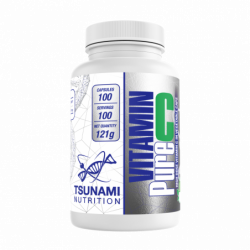
- Vitamin C: contributes to collagen formation and helps the body absorb iron from food, making it particularly important when an insufficient intake of this mineral needs to be corrected.
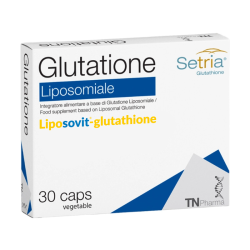
Another aspect to consider is oxidative stress, a condition involving an imbalance between the production of reactive species and the body's defence systems. This phenomenon is also being studied in relation to follicle health and the processes associated with cellular ageing. However, the presence of antioxidant activity does not automatically prove that a supplement can make hair thicker, as is also the case with glutathione.
Hair supplements
Hair supplements may contain vitamins, minerals, amino acids and plant extracts selected to complement nutritional intake. These products have different formulations and should not be considered interchangeable: the choice depends on their composition, the amount provided per serving and individual needs.
These products may be considered when the diet does not provide adequate amounts of specific nutrients or when a healthcare professional identifies a need for supplementation. However, they are not universal treatments for hair loss and do not replace the diagnosis of any conditions affecting the hair follicle.
Combination products for hair and nails
Some formulas combine several micronutrients and other ingredients in a single product, with the aim of contributing to the normal maintenance of hair and nails. They may contain biotin, zinc, selenium, B vitamins and other components, in amounts that vary depending on the formula.
Combining several ingredients can be convenient, but it does not mean that every substance is necessary for everyone. Before choosing a product, it is useful to check:
- Vitamins and minerals included: check which nutrients are present and in what amounts;
- Overlapping intakes: consider any other supplements you already take to avoid excessive intake of the same micronutrients;
- Additional ingredients: read the full composition, including plant extracts, amino acids and excipients;
- Allergens and tolerability: check that the product is compatible with your dietary needs;
- Warnings: follow the manufacturer's instructions and seek advice if you have medical conditions or take medication.
It is also important to distinguish hair supplements from products intended to treat specific forms of alopecia. If hair loss is severe, sudden or persistent, a dermatological assessment can help identify the cause and establish whether interventions other than supplementation are needed.
Comparing tablets and gummy supplements
Hair supplements are available in various formats, including tablets, capsules, powders and gummies. The main difference concerns how they are taken and their formulation, not necessarily their effectiveness.
Tablets can make it possible to concentrate more ingredients in a single unit and provide specific amounts of vitamins and minerals. Gummies, on the other hand, may be more convenient for people who prefer a soft texture and a chewable format. However, they may also contain sugars, sweeteners, flavourings and gelling agents, in addition to micronutrients.
When comparing the two formats, consider:
- Nutrient amounts: check the milligrams or micrograms provided in the daily serving, not just the number of units to take;
- Number of servings: check how many tablets or gummies make up the recommended dose;
- Additional ingredients: with gummies, it is particularly useful to check sugars, sweeteners and other formulation components;
- Convenience: choose the format that is easiest to incorporate into your routine, without changing the dose on your own;
- Storage: follow the manufacturer's instructions to keep the product in the recommended conditions.
Nutritional value depends mainly on the ingredients and the amounts actually present in the recommended serving. Bioavailability may also vary depending on the chemical form of the nutrient and the formulation.
Regardless of the format you choose, it is important to avoid taking several hair products at the same time without checking their combined nutrient intake. Excessive amounts of certain micronutrients, such as vitamin A and selenium, may themselves be associated with hair loss, while high doses of biotin can interfere with certain laboratory tests.
Frequently asked questions
Which vitamin is best for hair health?
There is no single vitamin that is best for everyone's hair. Biotin contributes to the maintenance of normal hair, while B vitamins and vitamins D, C and E are involved in various physiological functions that are important for the body. Their contribution depends, however, on nutritional intake and individual status.
If there are no deficiencies, taking additional vitamins does not guarantee faster growth or greater hair density. In the event of persistent hair loss, it is best to identify the cause with the help of a dermatologist and consider supplementation only when it is genuinely necessary.
Can vitamin D stimulate the regrowth of lost hair?
Vitamin D is involved in cellular regulation processes, and its receptors are also present in hair follicles. Some studies have observed an association between low vitamin D levels and certain forms of alopecia, but this does not prove that supplementation promotes regrowth in everyone.
Correcting a confirmed deficiency may be important for overall health and may form part of the management of certain hair loss problems. However, vitamin D should not be considered a universal treatment for alopecia: its effectiveness depends on the cause of thinning and the individual's circumstances.
How long does it take for hair vitamins to show the first results?
There is no exact timeframe that applies to everyone. If hair loss is linked to a nutritional deficiency and that deficiency is corrected, restoring the normal growth cycle may take several months. Hair grows slowly, and changes in density become visible gradually.
If hair loss is caused by genetic, hormonal or autoimmune factors, or by other medical conditions, a vitamin supplement may not produce significant results. It is therefore important to identify the cause before setting expectations about the timing and effects of supplementation.
How can you recognise hair loss caused by vitamin deficiencies?
It is not possible to identify a vitamin deficiency with certainty simply by looking at how much hair is falling out. Diffuse thinning, brittle hair or changes in hair quality may have different causes and are not specific signs of a single deficiency.
To identify a possible nutritional deficiency, a doctor may assess your medical history, diet and type of hair loss and, when necessary, request blood tests. This makes it possible to check for deficiencies in iron, vitamin D, vitamin B12 or other nutrients and determine whether targeted supplementation is appropriate.
If hair loss is sudden, severe, occurs in patches or is accompanied by itching, pain or changes to the scalp, it is advisable to consult a dermatologist rather than relying exclusively on hair supplements.
Vitamins and minerals contribute to the normal functioning of the body, and some of these nutrients are involved in the processes that support hair growth and maintenance. Biotin, B vitamins, vitamins D and E, together with iron and zinc, are among the components most widely studied in relation to hair health. However, supplements do not automatically counter hair loss or guarantee regrowth in the absence of a deficiency or a specific indication.