- Health and wellness
- 1 views

- The best magnesium supplements to take
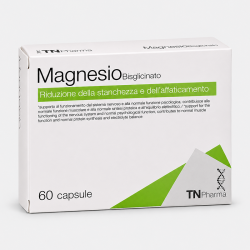
- TN Pharma Magnesium Bisglycinate 60 Capsules
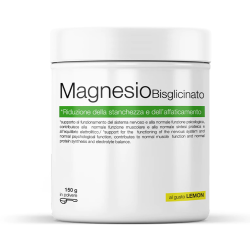
- TN Pharma Magnesium Bisglycinate 150 g
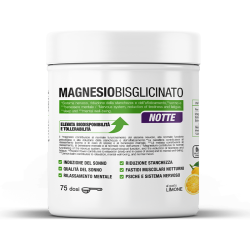
- TN Pharma Magnesium Bisglycinate Night 150 g
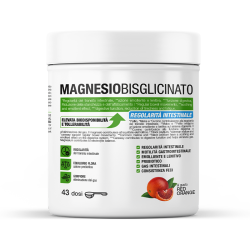
- TN Pharma Magnesium Bisglycinate for Bowel Regularity 150 g
- TN Pharma Micro-Mag 30 Capsules
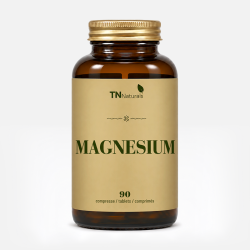
- TN Naturals Magnesium 90 Tablets
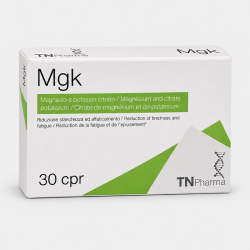
- TN Pharma MGK Magnesium and Potassium Citrate 30 Tablets
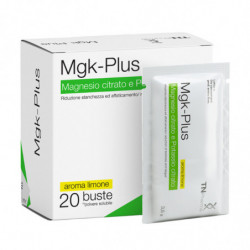
- TN Pharma MGK Plus Lemon Citrate 20 Sachets
- Tsunami Nutrition ZMA Pure 100 Tablets
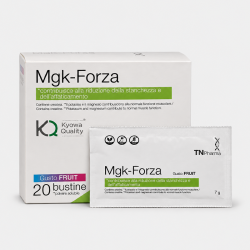
- TN Pharma MGK-Forza 20 Sachets
- How to choose magnesium based on your needs
- Methodology used to evaluate magnesium supplements
- Frequently asked questions
The best magnesium supplements to take
When choosing a magnesium supplement, it is important to start by considering the mineral's chemical form and the amount of elemental magnesium provided per serving. The presence of other ingredients can also make a difference, particularly in formulas combined with potassium, zinc, vitamins or plant extracts.
Below are ten options from the Tsunami Nutrition catalogue. This is not a ranking based on proven clinical superiority: the products are presented according to their formulation characteristics, format and different intended uses.
TN Pharma Magnesium Bisglycinate 60 Capsules
Magnesium Bisglycinate 60 Capsules is a capsule supplement that uses magnesium bound to glycine. This formulation may be worth considering for people who prefer a solid dosage form and do not want to dissolve powder in water.
The daily serving indicated on the product page is two capsules, providing 200 mg of elemental magnesium, equivalent to 53% of the nutrient reference value. The ingredients include magnesium bisglycinate, a hydroxypropyl methylcellulose vegetable capsule, corn starch and silicon dioxide as an anti-caking agent.
The product is declared vegan, gluten-free and lactose-free. It may be a practical option for those who want to supplement magnesium using pre-measured capsules, following the instructions on the label.
TN Pharma Magnesium Bisglycinate 150 g
Magnesium Bisglycinate 150 g is the powder version of the bisglycinate formulation. It is intended for people who prefer to prepare a drink and measure their intake using a scoop rather than taking capsules or tablets.
The recommended serving is 1.5 g per day, dissolved in a glass of water. Each serving provides 375 mg of elemental magnesium, from 938 mg of magnesium bisglycinate. The formula also contains citric acid, flavouring and the sweetener sucralose.
The product is vegan, gluten-free and lactose-free. Before choosing this formulation, it is important to compare the amount of elemental magnesium per serving with your overall requirements and the amount obtained from food.
TN Pharma Magnesium Bisglycinate Night 150 g
Magnesium Bisglycinate Night is a powder formulation that combines magnesium bisglycinate with other ingredients, including lemon balm, passionflower, niacin and melatonin. It is designed for people who want to include a product in their evening routine, following the specific instructions on the packaging.
The daily serving listed on the product page is 2 g and provides 330 mg of magnesium bisglycinate. The same serving contains 167 mg of lemon balm extract, 85 mg of passionflower extract, 16 mg of niacin and 1 mg of melatonin. It is important to note that the stated 330 mg refers to the bisglycinate compound, not to 330 mg of elemental magnesium.
The product is declared vegan, gluten-free, lactose-free and sugar-free. The presence of melatonin requires particular care: follow the warnings and directions for use on the label, and discuss any potential interactions or individual health considerations with a healthcare professional.
TN Pharma Magnesium Bisglycinate for Bowel Regularity 150 g
Magnesium Bisglycinate for Bowel Regularity combines magnesium bisglycinate with selected plant ingredients in a formula designed to support intestinal transit. The composition includes psyllium, caraway, mallow and vitamin B2.
A daily serving of 3.5 g provides 430 mg of magnesium, as well as 850 mg of psyllium extract, 250 mg of caraway extract, 200 mg of mallow extract and 1.4 mg of riboflavin. The presence of psyllium, a fibre that absorbs water and forms a gel, distinguishes this formula from a supplement containing magnesium alone.
The product is vegan, gluten-free, lactose-free and sugar-free. Because it contains fibre, it is important to take it with an adequate amount of water and follow the directions for use. Anyone with persistent intestinal disorders or taking medication should consult a doctor or pharmacist before use.
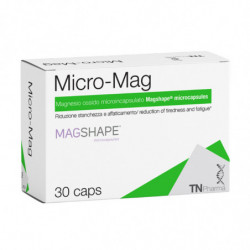
TN Pharma Micro-Mag 30 Capsules
Micro-Mag is a capsule supplement containing Magshape™, a microencapsulated form of magnesium oxide. The microencapsulation technology is a feature of the raw material used in the formulation, distinguishing it from conventional magnesium oxide.
The recommended daily serving is three capsules, preferably taken with food. This serving provides 300 mg of magnesium, equivalent to 80% of the nutrient reference value. The ingredients include Magshape™ microencapsulated magnesium oxide, pregelatinised corn starch, sunflower lecithin, cellulose and anti-caking agents.
Micro-Mag is declared vegan, gluten-free and lactose-free. It may be considered by those looking for a capsule formulation based on a microencapsulated raw material, while always checking the dosage and individual tolerability.
TN Naturals Magnesium 90 Tablets
Magnesium 90 Tablets by TN Naturals is a magnesium citrate supplement in tablet form. Citrate is an organic form of the mineral, obtained by combining magnesium with citric acid, and is used in supplements for its solubility characteristics.
The recommended daily serving is three tablets, providing 338 mg of elemental magnesium, equivalent to 90% of the nutrient reference value. The ingredients include magnesium salts of citric acid, cellulose and anti-caking agents.
The product is vegan, gluten-free and lactose-free. It is an option worth considering for those who prefer tablets and want to supplement magnesium in citrate form. The amount per serving is relatively high and should be compared with dietary intake and any other supplements being used.
TN Pharma MGK Magnesium and Potassium Citrate 30 Tablets
MGK Magnesium and Potassium Citrate 30 Tablets is a combination formula containing magnesium and potassium. Unlike products that provide a single source of magnesium, this formulation supplies both minerals, which contribute to maintaining normal electrolyte balance and muscle function.
The recommended daily serving is three tablets and provides 300 mg of magnesium and 300 mg of potassium. The magnesium is in the form of glycerophosphate, while the potassium comes from citrate. The composition also includes cellulose and anti-caking agents.
The tablet format makes it possible to divide the daily serving according to the instructions on the packaging. It is an option to consider when you want to combine magnesium and potassium intake. However, potassium supplementation requires particular care in the presence of kidney conditions or treatments that affect potassium levels in the blood.
TN Pharma MGK Plus Lemon Citrate 20 Sachets
MGK Plus Lemon Citrate is a supplement in soluble sachets combining magnesium citrate and potassium citrate. The format allows you to prepare a lemon-flavoured drink and is intended for those who prefer a product to dissolve in water rather than capsules or tablets.
One 5 g sachet provides 150 mg of magnesium and 539 mg of potassium. The daily serving indicated on the product page is two sachets, for a total of 300 mg of magnesium and 1,078 mg of potassium. The formula also contains corn maltodextrins, citric acid, lemon flavouring, silicon dioxide and sucralose.
MGK Plus is declared vegan, gluten-free and lactose-free. It is a combination formulation worth considering primarily when you want to supplement both minerals. However, it should not be considered equivalent to a magnesium-only product, as it also provides a significant amount of potassium.
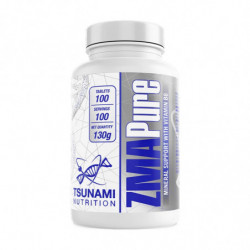
Tsunami Nutrition ZMA Pure 100 Tablets
ZMA Pure is a tablet supplement combining magnesium, zinc and vitamin B6. The formula uses two sources of magnesium, oxide and bisglycinate, together with zinc mono-L-methionine sulphate and vitamin B6.
One tablet, corresponding to the recommended daily serving, provides 356 mg of elemental magnesium, equivalent to 95% of the nutrient reference value. The same serving contains 12.5 mg of zinc and 3 mg of vitamin B6. The product page recommends taking it 30–60 minutes before bedtime.
This formula may be considered when looking for combined supplementation of these three micronutrients, rather than a magnesium-only product. Before using it, check your overall intake of zinc and magnesium from other supplements as well, to avoid unnecessary overlap.
TN Pharma MGK-Forza 20 Sachets
MGK-Forza is a powder supplement combining magnesium and potassium with creatine, arginine alpha-ketoglutarate (AAKG), glutamine, taurine and beta-alanine. It is therefore a more complex formula than a standard magnesium supplement, designed for people who exercise and want to take several ingredients in a single drink.
One 7 g sachet provides 65.3 mg of magnesium and 300 mg of potassium. The same serving contains 2,000 mg of creatine, 1,000 mg of AAKG, 500 mg of Kyowa Quality® glutamine, 500 mg of taurine and 400 mg of beta-alanine.
The product is declared vegan, gluten-free and lactose-free. The amount of magnesium per serving is lower than that found in supplements formulated primarily to provide this mineral. MGK-Forza should therefore be considered a combination product, rather than a primary solution for meeting daily magnesium requirements.
How to choose magnesium based on your needs
Choosing a magnesium supplement should not be based solely on the name of its chemical form or the claims made in its marketing. It is useful to consider the amount of elemental magnesium, the composition, the format and your individual tolerability.
Before buying a product, consider what you want to achieve: supplementing your dietary intake, choosing a capsule formulation, opting for a powder to dissolve in water or using a formula combined with other minerals. There is no single best form for everyone.
How many types of magnesium are there and what forms are available?
In supplements, magnesium is used in the form of various salts or compounds. The main difference concerns the molecule to which the mineral is bound: this can affect the percentage of elemental magnesium, solubility and absorption characteristics.
Some of the most common forms include:
- Magnesium citrate: an organic salt bound to citric acid. It has good solubility and is used in powders, tablets and sachets. In high amounts, it can have a laxative effect;
- Magnesium bisglycinate: a chelated form in which magnesium is bound to glycine. It is often chosen for its gastrointestinal tolerability, although individual responses may vary;
- Magnesium oxide: an inorganic salt with a relatively high percentage of elemental magnesium, but lower solubility than several organic forms;
- Magnesium chloride: an inorganic salt that is soluble in water and is also used in supplements and liquid preparations;
- Magnesium pidolate: an organic salt bound to pidolic acid, used in various mineral supplementation formulations;
- Magnesium malate: a form associated with malic acid, a substance involved in cellular metabolic processes;
- Magnesium lactate: a salt derived from lactic acid, used as a source of magnesium in some formulations;
- Magnesium threonate: bound to L-threonic acid and studied for its characteristics relating to magnesium distribution in the brain;
- Magnesium glycerophosphate: a form in which the mineral is associated with glycerophosphate, also used in combination products.
Organic and chelated forms are not automatically superior in every situation: bioavailability also depends on solubility, formulation and individual characteristics.
Magnesium oxide or citrate: differences and bioavailability
The comparison between magnesium oxide and citrate mainly concerns their chemical composition, solubility and the amount of elemental magnesium contained in each compound.
- Magnesium oxide: an inorganic form characterised by a relatively high percentage of elemental magnesium. However, it has lower water solubility than other salts and is generally absorbed to a lesser extent than more soluble forms such as citrate;
- Magnesium citrate: an organic salt that tends to dissolve more readily in liquids and generally has higher bioavailability than oxide. It may be an option for those who want to supplement the mineral in citrate form, bearing in mind that high doses can have a laxative effect.
Purity, dosage and excipients
In addition to the chemical form, it is important to read the label carefully when choosing a supplement. The first detail to check is the amount of elemental magnesium per daily serving, which does not necessarily correspond to the total weight of the salt used.
Other aspects to consider include:
- Composition: check which magnesium salt is used and whether other active ingredients are present;
- Excipients: check for flavourings, sweeteners, anti-caking agents, colourings or other components, particularly if you have intolerances or individual sensitivities;
- Format: capsules, tablets, powder and sachets suit different preferences and habits;
- Dosage: compare the amount per serving with your overall requirements and any other supplements you take;
- Manufacturer information: choose products with clear labels, declared ingredients and precise directions for use.
Tablets and capsules can be convenient because they contain a pre-measured amount of product. It is worth remembering that a higher price or the use of a patented raw material does not, by itself, demonstrate greater clinical effectiveness. Evaluation should be based on the actual composition and the characteristics stated on the label.
Methodology used to evaluate magnesium supplements
To create this selection, we considered only products available on the Tsunami Nutrition website, including the TN Pharma and TN Naturals ranges.
The evaluation was organised around several practical criteria:
- Form of magnesium: the type of salt or compound used was considered, distinguishing between citrate, bisglycinate, oxide, glycerophosphate and other formulations;
- Amount of elemental magnesium: when stated on the product page, the actual amount of the mineral per daily serving was reported, avoiding confusion with the weight of the compound;
- Composition: additional ingredients were considered, distinguishing magnesium-only supplements from formulas combined with potassium, zinc, vitamins or other components;
- Format: different ways of taking the supplements were included, such as capsules, tablets, powder and sachets;
- Label information: the stated serving size, ingredients and product characteristics declared by the manufacturer were taken into account.
This methodology makes it possible to compare product characteristics, but it does not constitute an independent clinical assessment or proof that one supplement is superior to another. The final choice should be based on individual needs, diet, tolerability and, where appropriate, the advice of a healthcare professional.
Frequently asked questions
Does taking magnesium supplements cause weight gain or weight loss?
No, taking magnesium supplements does not directly cause weight gain or weight loss. Magnesium contributes to normal energy metabolism, but this role does not mean that increasing magnesium intake automatically promotes fat burning or weight loss.
Some formulations may have a laxative effect, particularly when taken in high amounts. In this case, any temporary changes in weight may be due to water loss and intestinal contents, rather than a reduction in body fat.
Weight management depends primarily on energy balance, eating habits, physical activity and numerous individual factors.
Can magnesium be taken continuously, or is it advisable to take breaks?
Magnesium can be taken for extended periods when there is a genuine need for supplementation and intake is appropriate, but continuous use is not necessary for everyone. The duration depends on the amount obtained from the diet, individual characteristics, the formulation and any existing health conditions.
There is no general rule requiring people to alternate periods of supplementation with breaks for every magnesium product. However, it is important to avoid excessive doses and periodically reassess whether supplementation is still necessary, especially when taking several products containing the same mineral.
Anyone with kidney problems, taking medication or experiencing gastrointestinal disorders should seek medical advice before starting or continuing supplementation.
What is the recommended daily magnesium intake for women?
According to the adequate intake values established by EFSA, the reference for adult women is 300 mg of magnesium per day. This is the total amount from food, drinks and supplements, not the amount that must necessarily be obtained from a specific product.
Requirements may vary depending on age and individual circumstances. For this reason, before choosing a supplement, it is useful to assess how much magnesium you already obtain from your diet and check the amount of elemental mineral stated on the label.
What is the difference between magnesium and Magnesio Supremo?
Magnesium is an essential mineral element for the body, whereas the name Magnesio Supremo identifies a specific commercial formulation based on magnesium and citric acid. They are therefore not two different minerals, but rather a comparison between the nutrient and a product containing it in a particular form.
Formulations of this type are generally dissolved in water and are associated with magnesium citrate. The actual amount of elemental magnesium depends on the composition and serving size of the specific product. Citrate has good solubility, but in some people, particularly at high doses, it can cause intestinal discomfort such as softer stools or diarrhoea.
Choosing which magnesium to take means assessing the chemical form, dosage, composition and format that best suit your habits. Citrate, bisglycinate, oxide and other formulations may suit different preferences, but none is universally superior. An informed choice starts with the amount of elemental magnesium, the quality of the information on the label and actual nutritional needs, bearing in mind that supplementation does not replace a varied and balanced diet.