- Nutrition
- 59018 views
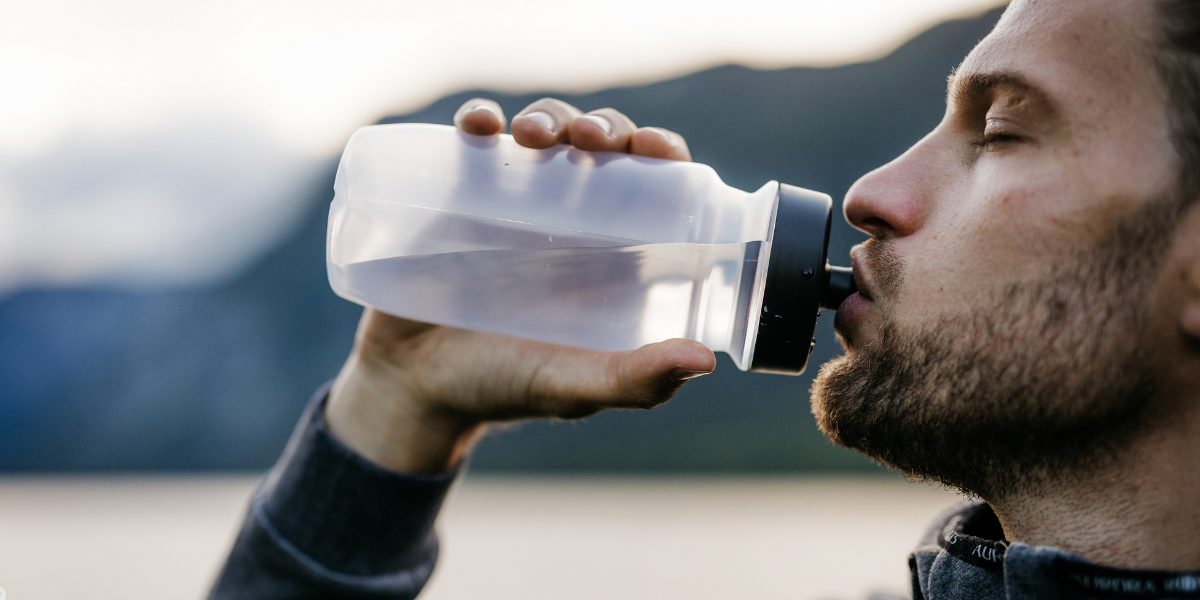
Humans can survive without food for several weeks, but without water for only three days. Around 70 per cent of our bodies is made up of water, and many bodily functions depend on hydration.
In contrast, women, unlike men, have a lower water content – around 60 per cent of their body weight – due to the presence of a greater number of fat cells, the structural composition of which attracts less water.
Hydration is one of the most underestimated factors in nutrition and undoubtedly one of the most important, as it not only regulates the body’s vital functions but also influences sporting performance.
To ensure proper hydration (homeostasis), the water taken in through drinks, that present in food, and that produced by the oxidative metabolism of macronutrients, must be balanced against the water lost through urine, sweat and respiration.
This balance is facilitated by organs that regulate the amount of water to be ingested and others that enable the reabsorption of water from organs such as the kidneys, thereby maintaining a constant water content.
Hydration and exercise
During exercise, it is important to stay hydrated to compensate for excessive water loss through sweating; a loss of just 2 per cent of body weight in water is enough to reduce your sporting performance. An active muscle produces more heat than an inactive one, and this heat must be dissipated to avoid the risk of hyperthermia.
Hence the importance of sweating, which cools the body’s surface through water loss. It is also worth noting that during physical activity, fluid is lost through breathing as well.
It is therefore advisable to drink at regular intervals during a training session to prevent the onset of thirst – which can be a sign of dehydration – and to promote faster recovery after physical exertion.

The harmful effects of dehydration
Water performs many functions in the body; among the most important are the red blood cells, which carry oxygen to the muscles involved in exercise via plasma (water), and the transport of nutrients to the muscles, again via the plasma stream. The end products of muscular activity are also eliminated via bodily fluids.
Plasma volume consists mainly of water, and in the event of significant fluid loss, its concentration decreases, limiting or interrupting vital functions and increasing the risk of cardiovascular damage. It is therefore important to stay hydrated to maintain homeostasis.
The recommended daily water intake is approximately 2 litres; this increases for people who take part in sporting activities (the amount varies depending on the sport). Furthermore, fluid balance is maintained not only through water intake from drinks but also through foods such as fruit and vegetables, where fibre, minerals and vitamins aid water absorption.
Observations
It is possible to tell whether you are sufficiently hydrated or need to increase your water intake during the day by examining your urine, whose almost transparent colour may indicate good hydration, whilst a dark yellowish colour indicates dehydration; or by means of a bioimpedance analysis (BIA), which provides data on the body’s water content.
Staying hydrated with Tsunami Nutrition
Tsunami Nutrition offers HYDRA+, a powdered formula containing carbohydrates and electrolytes to maintain the athlete’s hydration balance.
With added B vitamins to reduce fatigue, and magnesium and potassium – the key minerals lost through sweating – HYDRAPure is the ideal supplement for improving sporting performance!