- Protéine
- 32797 views
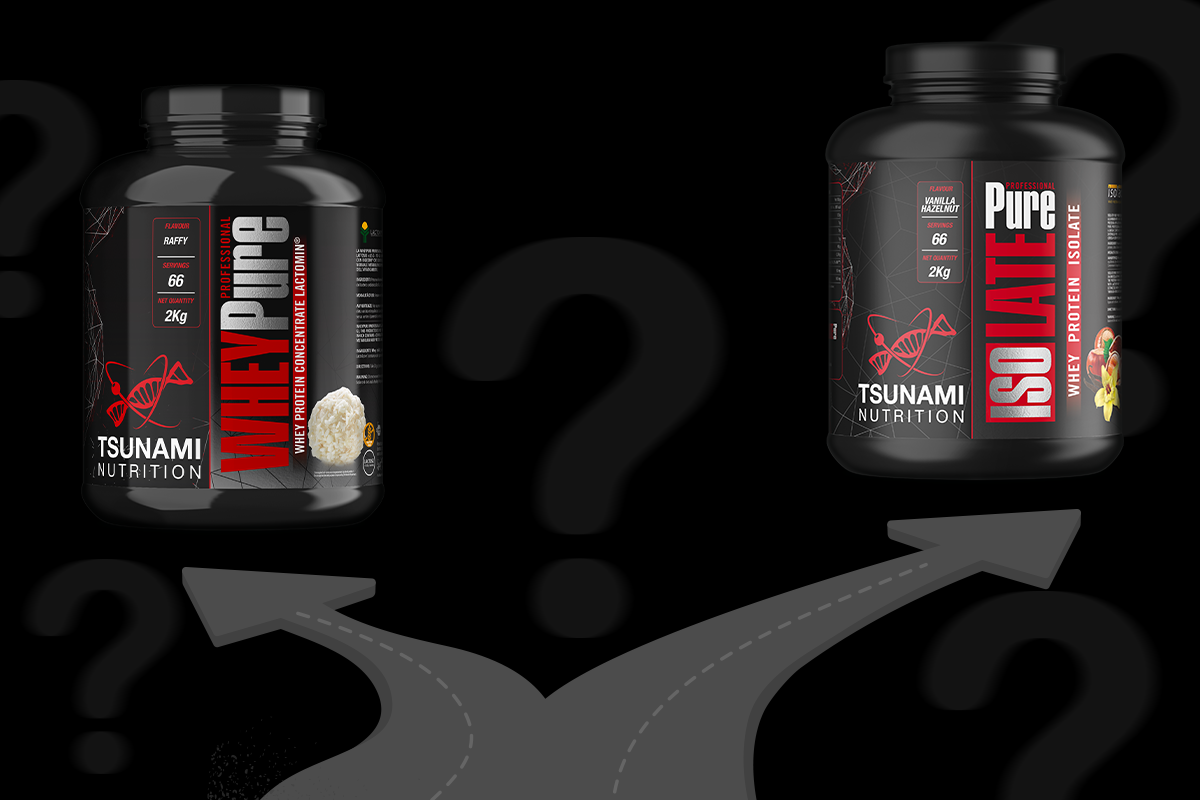
What are the differences between whey and isolate?
One of the most frequently asked questions about protein is what the difference is between whey and isolate. Whey protein and whey isolate are both types of whey protein: the term ‘whey protein’ refers to all protein powders obtained from the processing of whey. All whey proteins, including isolates, are therefore whey proteins.
There are three types of whey protein: concentrates, isolates and hydrolysates. These are products derived from the same source but differ in terms of their processing method, protein concentration and rate of absorption.
When we buy whey protein concentrate, we are choosing whey protein obtained through a process which, by removing carbohydrates and fats, produces a powder with a high protein concentration (around 80 per cent). Protein isolates (or whey isolates), on the other hand, are obtained through specific filtration or microfiltration processes: they have a protein concentration of around 90 per cent – higher than that of whey concentrates – and are even more easily digestible and lactose-free.
What are whey proteins?
Whey protein is a protein derived from the processing of milk. It is a natural productcontaining high-quality protein: this is why whey protein-based dietary supplements are among the most widely used by athletes.
In addition to their nutritional properties, which make them one of the best dietary supplements both for those suffering from a deficiency in essential macronutrients such as protein and for those – such as fitness and bodybuilding enthusiasts – who need to increase their daily intake beyond what is already included in their diet, whey protein offers several qualities and benefits.
Thanks to their amino acid content, which is essential for muscle recovery after training and for building and maintaining muscle mass, whey protein is anideal post-workout supplement, particularly during the anabolic window – that is, the 30- to 60-minute period immediately following the end of physical activity.
By stimulating protein synthesis,whey protein promotes muscle growth and can contribute to the loss of body fat. Furthermore, protein supplements can strengthen the immune system and help regulate blood sugar levels.
Whey proteincan be consumed at various times of the day: at breakfast, before and after training, or as a snack before bed (although, in the latter case, the most commonly used milk proteins are caseins due to their slow-release action).
Origin and extraction process
Whey proteins are extracted from whey, which is obtained from the curdling of milk – that is, the process used to make cheese, during which the curds and whey are separated.
Whey contains high levelsofprotein, fat, cholesterol and lactose.Through filtration, microfiltration and ultrafiltration processes, whey protein powder is obtained: a protein supplement witha high amino acid content, low in lactose and almost entirely free from fat, cholesterol and carbohydrates.
Types of whey protein
Whey proteins are divided into concentrates, isolates and hydrolysates. Let’s take a look at the main characteristics of these protein powders, which are so popular and widely used by athletes and sportspeople:
- Whey protein concentrate: whey protein concentrate has an excellent amino acid profile and ‘average’ absorption rates. This is the go-to choice
- Whey protein isolate: whey protein isolate is obtained through an ‘isolation’ process that separates the protein fraction from the rest of the whey. These are very pure proteins, with a very low lactose content, free from fat and carbohydrates, and with absorption times shorter than those of whey and slightly longer than those of hydrolysed proteins.
- Hydrolysed whey protein: whey protein that has been hydrolysed; through a special fractionation process, it is ‘pre-digested’ so that it can be absorbed very quickly by the body. Hydrolysed whey protein is an ideal post-workout solution to be taken and absorbed during the anabolic window.
Benefits and uses of whey protein
Whey protein is one of the most widely used dietary supplements amongst athletes. Thanks to its amino acid content, whey protein helps to promote the growth and maintenance of muscle mass. This is why they are highly valued and widely used by those involved in physical activities and strength and power sports, such as bodybuilders, but they are also the best way to supplement your diet when you have increased needs for these nutrients or to have quick pre- and post-workout snacks.
What are protein isolates?
Protein isolates are whey proteins – whey protein isolates – with a high degree of purity and a protein content of around 90 per cent. They contain virtually no lactose and are very low in fat and carbohydrates.
Origin and extraction process
The high purity of protein isolates is achieved by processing whey using methods such asmicrofiltrationorion exchange. Through these processes, a high proportion of protein (generally 90 per cent, but up to 95 per cent) is isolated from the whey, resulting in a powder with a virtually negligible lactose content and lower levels of fat, cholesterol and carbohydrates.
Types of protein isolates
Protein isolatescan be extracted from various animal or plant sources. The most commonly used, due to their high biological value and excellent amino acid profile, are whey proteins.
Whey protein isolates have ahigh degree of purityand aprotein content of around 90–95 per cent: the advanced process by which proteins are isolated from the other components of whey, such asfats, minerals and lactose, results in a very high-quality product.
Protein isolates canbe absorbed very quickly by the body, within 30 to 60 minutes. They are therefore ideal as a quick meal or as a post-workout snack.
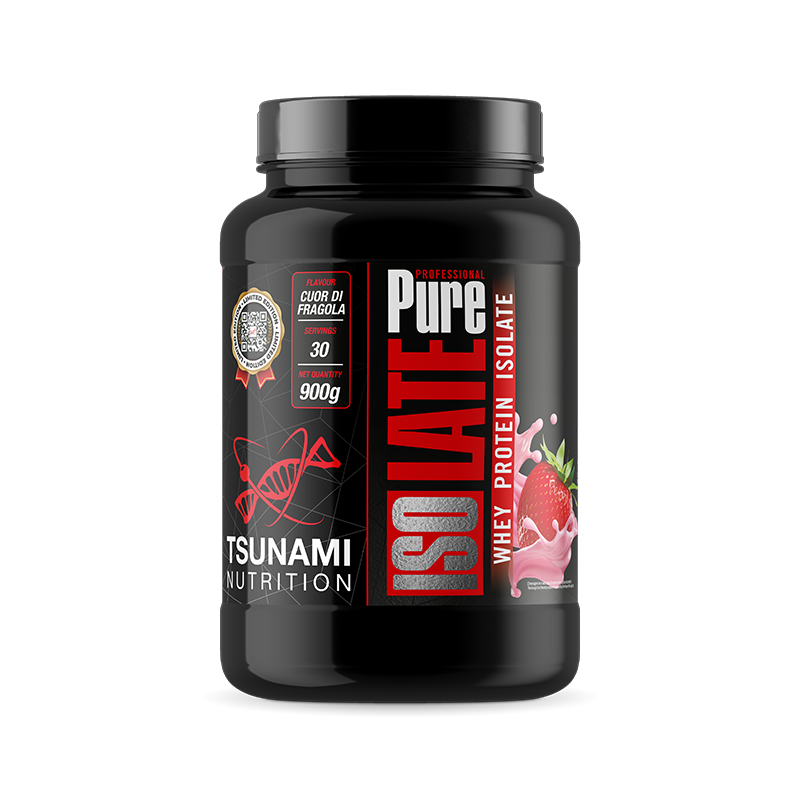
Tsunami Nutrition’s Isolate Pure Professional proteins are a supplement based onpatented Isolac CFM®protein isolate powder, manufactured using the best production method, cross-flow ultra-microfiltration, which combines a high protein content with rapid absorption.
Taking Isolate Pure Professionalpromotes muscle mass growth and improves recoverythanks to its exceptional amino acid profile.
Benefits and uses of protein isolates
Protein isolates have a high degree of purity andprovide an optimal supply of amino acids. As they are virtually lactose-free, they can also be consumed by people with lactose intolerance. Protein isolatescan be consumed at any time of day – for breakfast, as a snack, or as an additional ingredient in a wide variety of protein-rich recipes.
For those who exercise, the best time to consume whey protein isolate is after a workout. This is because, after exercise, the muscles need amino acids to repair the muscle fibres damaged during physical exertion.
Protein isolates help to improve muscle recovery after a workout and promote muscle growth, particularly in people who do weight training.