- Training
- 46 views

- What Are Electrolytes?
- The Definition in Chemistry
- The Main Types in the Body
- What Are Electrolytes Used For?
- Where Can Electrolytes Be Found?
- Foods Rich in Electrolytes
- Electrolytes in Drinking Water
- Symptoms of an Electrolyte Imbalance
- How and When to Take Electrolytes
- Guidelines for Supplementation
- Possible Contraindications
- Frequently Asked Questions
- How can electrolyte levels be restored after dehydration?
- Is it useful to drink electrolyte supplements during every type of workout?
What Are Electrolytes?
Electrolytes are substances that form electrically charged particles when dissolved in water. In the body, they are mainly present as ions in intracellular and extracellular fluids, such as blood and the fluid surrounding cells.
These substances are essential for maintaining fluid balance and enabling numerous physiological processes. For example, they participate in the transmission of nerve impulses, muscle contraction, pH regulation and the control of the amount of water present in different body compartments.
The most important electrolytes include sodium, potassium, chloride, calcium, magnesium and phosphate. Their concentrations must remain within appropriate ranges: levels that are too low or too high can interfere with the normal functioning of the body.
The body obtains these minerals mainly from food and drinks and regulates their levels through various mechanisms, which also involve the kidneys and certain hormones. Under normal conditions, a varied diet and adequate hydration are generally sufficient to maintain electrolyte balance without necessarily needing supplements.
The Definition in Chemistry
From a chemical perspective, an electrolyte is a substance that conducts electricity in an aqueous solution or in a molten state because of the presence of mobile ions. Ions are atoms or groups of atoms that carry a positive or negative electrical charge.
When a salt such as sodium chloride dissolves in water, it separates into positively charged sodium ions and negatively charged chloride ions. These particles can move through the solution, allowing an electric current to flow.
In bodily fluids, ions help distribute electrical charges across cell membranes and participate in the mechanisms that make communication between nerve cells and the activation of muscle fibres possible.
When electrolytes are discussed in the context of health or sport, the term generally refers to minerals present in bodily fluids in ionic form. Their levels must remain balanced to support normal physiological functions.
The Main Types in the Body
Electrolytes perform different but complementary functions. They are not interchangeable, and their importance depends not only on the amount present in the body but also on their distribution between cells and extracellular fluids.
- Sodium: the main cation in extracellular fluid. It contributes to fluid balance, blood volume regulation and the transmission of nerve impulses;
- Potassium: the main intracellular cation. It is important for muscle function, nerve transmission and normal heart function;
- Chloride: the main anion in extracellular fluid. It contributes to fluid balance and the maintenance of acid-base balance;
- Calcium: participates in muscle contraction, cellular signalling, blood clotting and the maintenance of healthy bones and teeth;
- Magnesium: is involved in numerous enzymatic reactions, energy production and the normal functioning of muscles and the nervous system;
- Phosphate: participates in energy metabolism, the structure of bones and teeth and the maintenance of acid-base balance;
- Bicarbonate: contributes to regulating the pH of blood and other bodily fluids.
The concentration of these electrolytes is regulated through intestinal absorption, distribution between body compartments and elimination, mainly through the kidneys. Sweating, vomiting, diarrhoea, certain medicines and specific medical conditions can also alter their levels.
What Are Electrolytes Used For?
Electrolytes enable the body to perform numerous essential functions. Their role goes beyond hydration: they are also involved in muscle activity, communication between cells and the regulation of the body's internal environment.
One of their main functions is maintaining fluid balance. Sodium and potassium help regulate the distribution of water between the inside and outside of cells. This balance is important for maintaining an adequate volume of bodily fluids and supporting circulation.
Electrolytes are also essential for the functioning of the nervous system and muscles. Differences in ion concentrations across cell membranes enable electrical impulses to be generated and transmitted.
Another important role is regulating acid-base balance, which means keeping pH within limits compatible with the body's functions. Bicarbonate, phosphate and other regulatory systems help maintain a relatively stable chemical environment in which biological reactions can take place.
For people who play sports, maintaining an appropriate balance of fluids and electrolytes is particularly important during activities that cause heavy sweating. Sweat leads to water loss and the elimination of mineral salts, especially sodium and chloride. The extent of these losses varies according to the duration and intensity of exercise, the ambient temperature and individual characteristics.
Adequate electrolyte intake therefore contributes to normal muscle and nerve function, but does not by itself guarantee improved sports performance. Proper nutrition, appropriate hydration, rest and adequate management of training loads are also important for supporting exercise.
Where Can Electrolytes Be Found?
Electrolytes are found in many everyday foods and drinks. The amount and type of minerals vary according to the composition of the food, its processing and any ingredients added during production.
For most people, a varied diet is the main source of electrolytes. Fruit, vegetables, legumes, milk and dairy products, nuts, grains and other foods contribute to the intake of different minerals. Sodium is found mainly in table salt and many processed foods, while potassium is present in significant amounts in many plant-based foods.
Water also contributes to the intake of certain minerals, in amounts that depend on its source and composition. For this reason, both food and drinks should be considered when assessing overall electrolyte intake.
Foods Rich in Electrolytes
To obtain electrolytes through your diet, it is useful to eat a variety of foods from different food groups. No single food necessarily provides all minerals in ideal amounts: variety helps distribute intake throughout the day.
- Bananas, citrus fruits and other fruit: contribute mainly to potassium intake. The amount varies according to the fruit and serving size;
- Potatoes and sweet potatoes: are sources of potassium and also provide carbohydrates, which help meet energy needs;
- Spinach and leafy green vegetables: provide potassium, magnesium and varying amounts of calcium;
- Legumes: beans, lentils and chickpeas contribute potassium and magnesium, as well as plant-based protein and fibre;
- Nuts and seeds: almonds, cashews and pumpkin seeds are useful sources of magnesium and can also provide other minerals;
- Milk and yoghurt: contribute calcium, potassium and phosphorus, with amounts depending on the product;
- Fish and other protein-rich foods: can provide potassium, phosphorus and other minerals. Their content varies according to the species and preparation method;
- Table salt: is an important source of sodium and chloride. It should be used in moderation because excessive sodium intake can contribute to increased blood pressure.
To put together balanced meals, you can combine legumes with whole grains, add vegetables to main dishes and eat fruit and nuts in appropriate portions.
The presence of a mineral in a food should not be interpreted as a reason to consume it in large quantities. For example, sodium is essential to the body, but excessive intake can negatively affect cardiovascular health. Similarly, people with kidney disease or those taking medicines that alter potassium levels may need to follow specific dietary advice.
Electrolytes in Drinking Water
Drinking water can contain various dissolved minerals, including calcium, magnesium, sodium and bicarbonate. Its composition varies according to its source, the geological characteristics of the area and the treatments applied before distribution.
Natural mineral waters can contain different concentrations of mineral salts. Some have a relatively low fixed residue, while others contain higher amounts of calcium, magnesium or bicarbonate. To find out the composition of bottled water, you can check the label, which generally lists the main minerals and their respective amounts per litre.
Water supplied through the public network can also contribute to the intake of certain minerals. To find out the specific values, you can consult the information published by the local water supplier or reports on water quality in your area.
Not all water contains significant amounts of every electrolyte. Furthermore, the mineral content of water does not necessarily replace the contribution from food, especially for minerals such as potassium, which are obtained in substantial amounts through the diet.
Symptoms of an Electrolyte Imbalance
An electrolyte imbalance occurs when the concentration of one or more electrolytes in the body is too low or too high. It may be associated with dehydration, significant fluid loss, intense sweating, vomiting, diarrhoea, the use of certain medicines or conditions affecting the kidneys and other organs.
Symptoms depend on the mineral involved, the extent of the change and how quickly it develops. Possible symptoms include:
- Tiredness and weakness: may occur when fluid balance or the concentration of certain minerals is altered;
- Muscle cramps and weakness: may be associated with changes in potassium, calcium or magnesium levels, but can also have many other causes;
- Nausea and gastrointestinal problems: may accompany certain electrolyte disturbances or the conditions causing them;
- Headaches and dizziness: may occur with dehydration or other conditions, but do not by themselves identify an electrolyte imbalance;
- Changes in heart rhythm: significant changes in potassium, calcium or magnesium levels can interfere with the heart's electrical activity;
- Confusion or changes in consciousness: may indicate a serious condition, particularly when they occur suddenly or are associated with significant dehydration.
These signs are not specific and do not allow you to determine on your own which electrolyte may be affected. Diagnosis may require medical assessment and, when indicated, blood tests to measure sodium, potassium, calcium, magnesium and other parameters. Treatment depends on the cause and type of imbalance: taking mineral supplements without professional advice is not always appropriate and may, in some cases, make the situation worse.
How and When to Take Electrolytes
Electrolytes are consumed every day through food and drinks. Whether replenishment is needed depends on fluid and mineral losses, the type of activity performed and individual circumstances.
During exercise, the amount of fluid and minerals lost may increase with the duration and intensity of effort, hot weather and particularly heavy sweating. In these cases, in addition to water, it may be useful to consider a source of electrolytes, especially when exercise is prolonged or losses are significant.
However, there is no single time that is right for everyone. Intake should be adapted to the situation: it may be useful to plan hydration before and during prolonged exertion and replace lost fluids after exercise, while avoiding drinking excessive amounts in a short period.
Guidelines for Supplementation
Electrolyte supplements may be considered, particularly when food and water alone are not enough to compensate for significant losses of fluids and mineral salts. Situations in which they may be worth considering include prolonged workouts, endurance sports, exercise in hot environments and conditions involving heavy sweating.
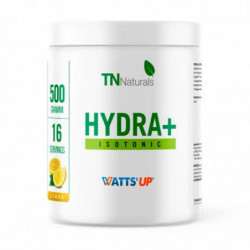
Electrolyte drinks and formulations may contain different amounts of sodium, potassium, magnesium and other minerals. Some also provide carbohydrates, which may be useful during prolonged exertion to support energy intake; others are formulated to provide mineral salts without a significant amount of sugar.
People who engage in intense physical activity or sweat heavily may consider products designed to replenish mineral salts, taking into account workout duration, environmental conditions and the amount of fluid lost.
For short, moderate sessions under normal conditions, water and a balanced diet are often sufficient. For prolonged exertion, however, it may be useful to plan fluid and electrolyte intake according to individual losses and the characteristics of the sport.
Possible Contraindications
Electrolyte supplements are not automatically necessary or suitable for everyone. Their usefulness depends on the product's composition, the amount consumed and individual circumstances. Excessive intake of certain minerals can be problematic, particularly in the presence of medical conditions or treatments that affect electrolyte balance.
Before using these products, it is useful to consider several precautions:
- Kidney disease: the kidneys regulate the elimination of many electrolytes. If kidney function is impaired, taking products rich in potassium, magnesium or other minerals should be assessed by a doctor;
- Cardiovascular problems or high blood pressure: some formulations may contain significant amounts of sodium. Anyone who needs to limit sodium intake should check the label and seek advice from a healthcare professional;
- Medicines: diuretics and other medicines can alter electrolyte levels. If you are taking medication, check the product's compatibility with your doctor or pharmacist;
- Taking multiple supplements: some products may contain the same minerals. Adding together amounts from several sources without checking the doses can lead to excessive intake;
- Gastrointestinal problems: some formulations, especially when concentrated or consumed in large amounts, may cause nausea, abdominal discomfort or diarrhoea.
Another precaution concerns excessive water intake. Drinking large amounts of fluid in a short period, particularly during endurance activities, can dilute sodium in the blood and contribute to a condition known as exercise-associated hyponatraemia. It is therefore incorrect to assume that more water or more electrolytes are always better: hydration should be proportionate to losses and individual needs.
If a deficiency has been documented or an electrolyte imbalance has been diagnosed, treatment should be determined by a healthcare professional. A sports supplement does not replace necessary medical treatment and is not intended for independently correcting significant abnormalities in blood levels.
Frequently Asked Questions
How can electrolyte levels be restored after dehydration?
To restore electrolyte balance after dehydration, it is important to replace lost fluids and minerals in a way that is appropriate to the cause and severity of the situation. In cases of mild fluid loss, drinking water and returning to a regular diet may be sufficient. If fluid loss has been significant, for example after vomiting or diarrhoea, an oral rehydration solution formulated to replace water and salts in specific proportions may be appropriate.
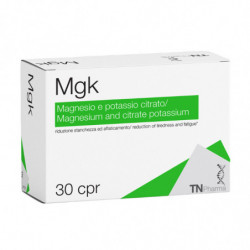
After sports activities involving heavy sweating, it may be useful to consume fluids alongside sources of sodium, through food or specific products, according to actual losses, or to consider magnesium and potassium. It is not necessary to take magnesium and potassium automatically after every workout: the need depends on individual circumstances and the intake already provided by the diet.
If dehydration is significant, symptoms persist or you cannot keep fluids down, it is important to seek medical advice. Confusion, fainting or other serious symptoms require urgent medical assistance.
Is it useful to drink electrolyte supplements during every type of workout?
No, electrolyte supplements are not necessary during every workout. For short or moderate sessions performed under normal environmental conditions and without particularly high sweat losses, drinking water and following a balanced diet are generally sufficient.
Electrolyte drinks or formulations may be more useful during prolonged activities, particularly endurance sports, intense workouts or when heat and sweating increase fluid and sodium losses. The 60-minute mark can serve as a practical reference, but it is not an absolute rule: intensity, temperature, actual duration and individual characteristics also affect requirements.
Electrolytes are minerals that are essential for fluid balance, muscle and nervous system function and numerous other physiological processes. During prolonged physical activity, in conditions involving heavy sweating or when significant fluid losses occur, targeted replenishment may be worth considering. The choice should take individual needs, product composition and possible contraindications into account, avoiding automatic supplementation or excessive doses.