- Training
- 34 views
- Difference between beetroot and turnip
- Nutritional values of red beetroot
- Properties and benefits of red beetroot
- Improved sports performance
- Antioxidant and detoxifying effects
- Properties of pre-cooked red beetroot
- Contraindications of red beetroot
- Frequently asked questions
- Does red beetroot help you lose weight?
- How many times a week can you eat red beetroot?
- What are the sexual benefits of red beetroot?
Difference between beetroot and turnip
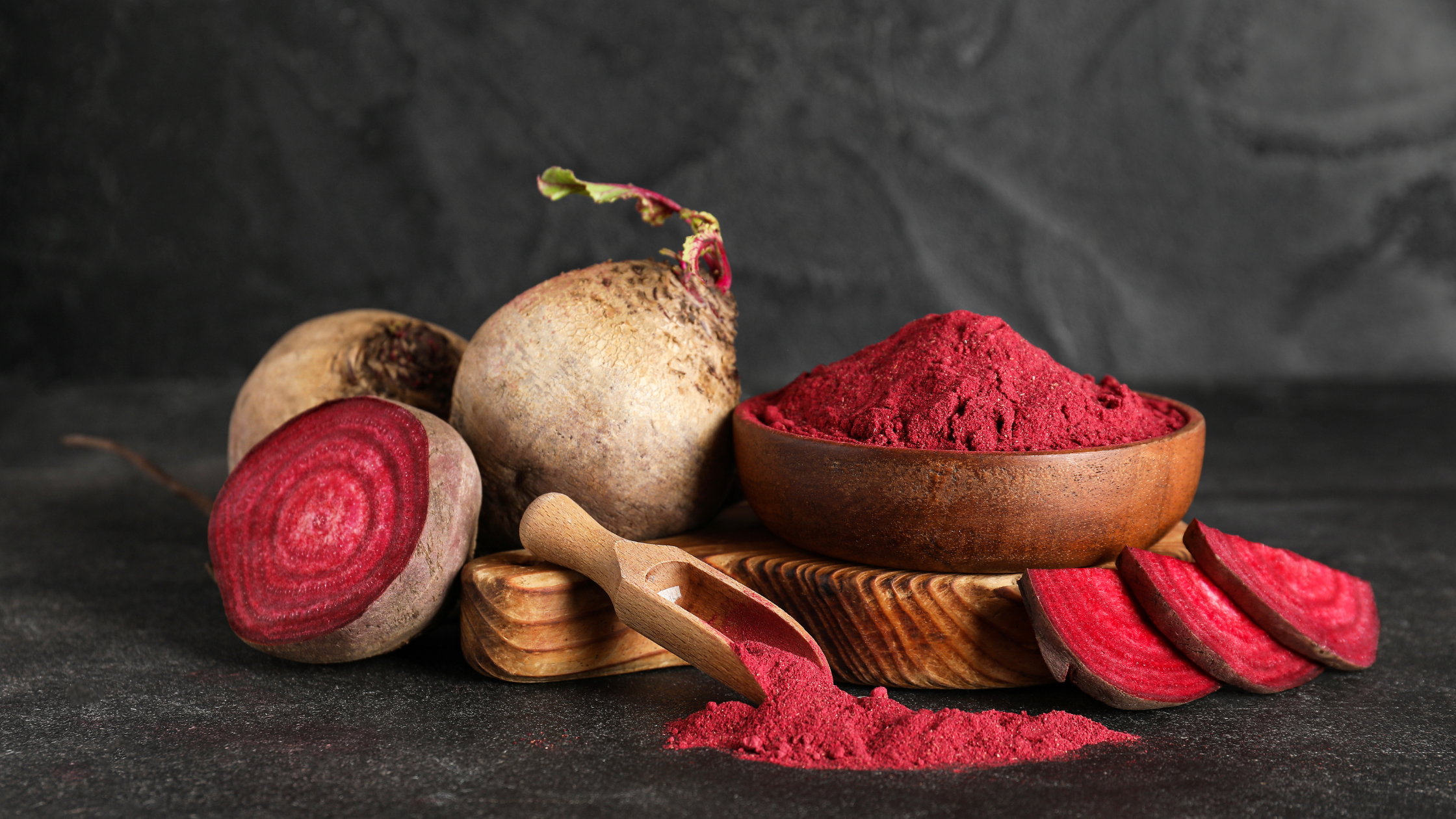
Red beetroot is an edible root valued for its intense colour, sweet taste and content of nutrients and plant compounds. In cooking, it can be eaten raw, boiled, roasted or already pre-cooked. Its juice is also known in sports nutrition because it contains naturally occurring nitrates.
The terms red beetroot and red beet are often used interchangeably to refer to the same vegetable, botanically known as Beta vulgaris. It should not be confused with the common turnip, a root vegetable belonging to a different plant species, Brassica rapa, which generally has pale flesh and a different flavour.
Red beetroot is distinguished by the presence of pigments called betalains, which are responsible for the red and purple hues of its flesh. It also contains fibre, folate, potassium and other micronutrients, as well as compounds such as nitrates, which are being studied for their potential role in vascular function and physical performance.
The properties of beetroot also depend on the form in which it is consumed. Fresh or cooked roots, juice and concentrated extracts are not necessarily nutritionally equivalent: processing, quantity and preparation methods can affect the content of certain components.
Nutritional values of red beetroot
Red beetroot is a relatively low-calorie vegetable, composed largely of water and characterised by its carbohydrate, fibre and micronutrient content. It can therefore be included in a varied diet, both as a side dish and as an ingredient in salads, soups and complete meals.
The following table shows some indicative nutritional values per 100 grams of raw beetroot.
| Nutritional value | Approximate amount per 100 g |
|---|---|
| Energy | 43 kcal |
| Water | 87.6 g |
| Carbohydrates | 9.6 g |
| Protein | 1.6 g |
| Fat | 0.2 g |
| Fibre | 2.8 g |
| Folate | 109 µg |
| Potassium | 325 mg |
| Manganese | 0.33 mg |
Among the micronutrients present, folate contributes to normal blood formation and maternal tissue growth during pregnancy. Potassium contributes to the normal functioning of the nervous system and muscles and to the maintenance of normal blood pressure. Fibre, in turn, supports normal digestive function.
Beetroot also contains betalains, plant pigments studied for their antioxidant activity, as well as nitrates naturally present in the root. The concentration of these compounds can vary considerably depending on the variety, growing conditions and processing methods. Therefore, the same content cannot be assumed for every beetroot-based product.
If dietary intake is insufficient, a beetroot supplement can be incorporated into the diet. However, it is important to distinguish the nutritional profile of the whole vegetable from that of an extract: the composition and quantities of individual components depend on the specific formulation.
Properties and benefits of red beetroot
The properties of red beetroot are linked to the presence of various nutrients and plant compounds. Consuming it can contribute to dietary variety and the intake of fibre, folate and potassium. Some components, particularly nitrates and betalains, are also being researched for their potential effects on vascular function and oxidative processes.
However, it is important to distinguish recognised nutritional functions from effects studied under specific conditions. Eating beetroot is not equivalent to treating a medical condition, nor does it automatically guarantee improvements in sports performance, liver health or sexual function.
Improved sports performance
Red beetroot is particularly well known in sports nutrition for its inorganic nitrate content, which is also found in beetroot extracts such as Tsunami Nutrition’s Beet4Perf. In the body, dietary nitrates can be converted into nitrites and subsequently into nitric oxide, a molecule involved in regulating blood vessel tone.
Nitric oxide promotes vasodilation and can help modify blood flow. During physical exercise, these processes have also been studied for their potential role in the efficiency of oxygen utilisation by muscles and in exercise tolerance.
Beetroot can be considered an interesting food within a sports nutrition strategy, but not a product that automatically increases strength, muscle mass or endurance.
Beetroot does not replace proper training planning, a diet suited to energy expenditure, hydration or recovery. People taking medication or living with specific medical conditions should also consult a healthcare professional before using concentrated products, especially if their blood pressure needs to be monitored.
Antioxidant and detoxifying effects
The red-purple colour of beetroot is due to betalains, a family of plant pigments that includes betacyanins and betaxanthins. These compounds are studied for their antioxidant activity, meaning their ability to interact with certain reactive species involved in oxidative processes.
Beetroot also contains betaine, a substance involved in several metabolic processes, including methylation reactions and homocysteine metabolism.
The liver already performs essential functions in metabolism and in the processing of numerous substances. The most important strategies for supporting liver health are maintaining a balanced diet, limiting or avoiding alcohol in line with health guidance, engaging in regular physical activity and following any recommended medical check-ups. Beetroot can be part of a varied diet, but it is not a proven detox remedy.
Properties of pre-cooked red beetroot
Pre-cooked red beetroot is a convenient way to eat this vegetable without having to prepare it from scratch. It can be used in salads, side dishes, purées and complete meals, retaining a substantial proportion of the nutritional characteristics of the fresh root.
In terms of energy content, plain cooked beetroot generally remains a low-calorie food. It provides carbohydrates, fibre and micronutrients, including potassium and folate, although quantities may differ from those found in raw beetroot.
Pre-cooked beetroot can also be a versatile ingredient for people who exercise: it can accompany a protein source and a serving of grains, or be added to a complete salad. It does not have to be eaten exclusively raw to be included in a balanced diet.
If the aim is to consume nitrates to support sports performance, it is important to remember that the amount present in pre-cooked beetroot can vary and is not necessarily equivalent to that found in juice or a standardised product. Processing, variety and storage methods can affect its composition, so a specific ergogenic effect cannot be established based on the portion consumed alone.
In cooking, raw and pre-cooked beetroot can be alternated according to personal preference. The most important thing is to include it in a varied diet while considering overall quantities and the dressing used: oil, sauces and other ingredients can significantly alter the energy content of a dish.
Contraindications of red beetroot
For most people, red beetroot can be included in a varied diet when consumed in normal food portions. However, there are some situations in which caution is advisable, especially when consuming large quantities of juice or using concentrated extracts.
Factors to consider include:
- Discolouration of urine and stools: after eating beetroot, urine or stools may turn pink or reddish. This phenomenon, often called beeturia, can be caused by the food’s pigments and is not necessarily a sign of a problem. If the colour persists, occurs without having eaten beetroot, or is accompanied by pain or other symptoms, consult a doctor to rule out other causes;
- Predisposition to kidney stones: beetroot contains oxalates, compounds that may contribute to the formation of calcium oxalate stones in some people. Anyone who has previously had this type of stone or follows a low-oxalate diet should seek personalised advice from a doctor or dietitian, rather than independently eliminating all plant foods;
- Low blood pressure or antihypertensive medication: beetroot nitrates can contribute to nitric oxide production and affect vascular function. The effect of a normal food portion is not the same as that of a concentrated product, but people with hypotension or taking blood-pressure-lowering medication should seek advice before using concentrated juices or supplements;
- Gastrointestinal discomfort: large amounts of juice or beetroot may cause digestive discomfort in some people. Tolerance varies according to portion size, preparation and individual sensitivity;
- Concentrated products and ongoing treatments: extracts may provide different amounts of nitrates and other compounds compared with the whole vegetable. In the presence of medical conditions, medication use or safety concerns, it is advisable to consult a healthcare professional before taking them.
The presence of natural sugars in beetroot is not, by itself, a contraindication for everyone with diabetes. Portion size and the glycaemic response should be assessed in the context of the meal and the individual dietary plan. Juice may also contain less fibre than the whole root, making it possible to consume larger quantities of the vegetable in a short time.
In the case of kidney disease, a history of kidney stones, particularly low blood pressure or medication use, consulting a healthcare professional can help determine the most appropriate quantities and ways of consuming beetroot. It can be a useful and versatile food, but eating large quantities is not necessary to benefit from the nutritional variety of the diet.
Frequently asked questions
Does red beetroot help you lose weight?
Red beetroot does not directly cause weight loss, but it can be included in a weight-management diet because of its relatively low energy content and fibre. Fibre supports bowel regularity and may help make meals more filling, although the effect depends on the overall composition of the diet.
Weight loss mainly depends on energy balance over time, dietary quality, physical activity and numerous individual factors. Beetroot can therefore be a useful side dish or ingredient, but it is not a fat-burning food and does not cause weight loss on its own.
How many times a week can you eat red beetroot?
There is no single weekly frequency that is suitable for everyone when it comes to eating red beetroot. For most people, it can be included regularly in the diet, varying portion sizes and alternating it with other vegetables according to personal preferences and nutritional needs.
People with a history of calcium oxalate kidney stones, those following specific dietary recommendations or those taking medication that requires attention to blood pressure should seek advice from a healthcare professional. In the absence of specific contraindications, overall vegetable variety is more important than reaching a precise number of beetroot servings.
What are the sexual benefits of red beetroot?
There is insufficient evidence to conclude that red beetroot improves sexual function or treats erectile dysfunction. The nitrates in this vegetable can be converted by the body into nitric oxide, a molecule that contributes to vasodilation and the regulation of blood flow.
Erectile function depends on several factors, including cardiovascular health, metabolic conditions, psychological factors, medication and lifestyle habits. If difficulties persist, it is advisable to consult a doctor to identify the cause rather than relying on a single food or supplement.
Red beetroot is a low-calorie vegetable that provides fibre, folate, potassium and plant compounds such as betalains and nitrates. It can be eaten raw, cooked or pre-cooked and easily incorporated into different meals, while juice and concentrated extracts have characteristics that depend on their formulation. Research into nitrates suggests potential benefits for certain endurance activities, but these effects are not guaranteed and do not replace a proper sports nutrition strategy.